


Skip to content

Fast emergency tarping for Houston commercial roofs after storms, hail, and hurricane wind. We dry in active leaks to stop interior damage until repairs.

Schedule a Roof Review

  • Stopping the water before it ruins what is under the roof
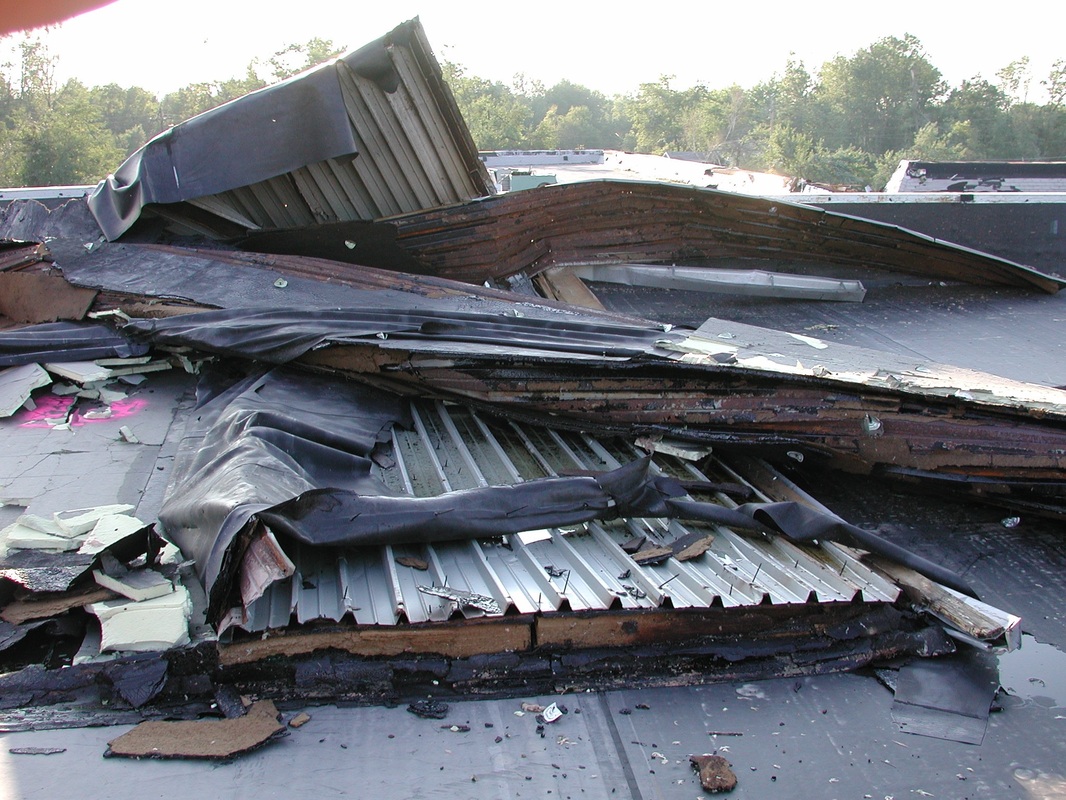
  • When a Houston commercial roof opens up - a membrane peeled back by hurricane wind, a section bruised through by hail, a seam split during a violent thunderstorm - the roof itself is rarely the most expensive thing at stake. The water pouring through it is. Inside a warehouse off Beltway 8, that water lands on racked inventory. Inside a Galleria-area office, it soaks ceiling tiles, drywall, carpet, and the electronics on the desks below. Inside a medical building near the Texas Medical Center, it threatens equipment and forces rooms out of service. Emergency tarping is the work of getting a temporary, water-shedding cover over the breach fast enough to stop that interior loss while a permanent repair gets scheduled.
  • Tarping does not fix the roof. It buys time - the critical window between the storm that caused the damage and the repair or replacement that resolves it. On the Gulf Coast, that window matters because the next band of rain is often hours away, not days, and an exposed roof that sheds today's storm has to survive tomorrow's too.
  • When a commercial roof needs emergency tarping
  • We get the most tarping calls in clusters, right after the weather that defines this region.
  • Hurricane and tropical-storm wind. Named storms and the squalls ahead of them lift and tear membranes, strip edge metal, and peel back roof corners and perimeters where uplift forces concentrate. After a system moves through Harris County, hundreds of roofs can be compromised at once.
  • Hail. Large hail bruises and punctures membranes, and the leaks often show up during the next rain rather than the storm that caused them.
  • Straight-line and downburst wind. The strong winds out ahead of a Gulf thunderstorm line can do hurricane-grade edge and corner damage on an otherwise calm day.
  • Sudden membrane or seam failure. An aged seam or a failed detail can let go during heavy rain, opening an active leak with no warning.

The damage you cannot see from inside

By the time water is dripping onto a desk, it has usually traveled some distance across the deck from where it actually entered. The wet spot on the ceiling is rarely under the breach. Part of an effective tarping response is reading the roof to find where water is really getting in, not just covering the spot above the visible drip, because a tarp in the wrong place leaves the real entry point open. How we tarp a commercial roof to actually hold

Schedule a roof review
Emergency Roof Tarping for Houston Commercial Buildings | TX Storm Response
Downtown Houston commercial rooftops

A tarp thrown over a hole and weighted with a few blocks is not a dry-in - it is a sail waiting for the next gust, and on a windy Gulf Coast roof it will be gone by morning. A tarp that holds is installed as a system.

Securing against Houston wind

The whole point of tarping here is to survive wind, because wind is usually what caused the damage in the first place and the follow-on storms bring more of it. We secure covers so they resist uplift rather than catch it - anchored at the edges, lapped so water runs off rather than under, and fastened or ballasted in a way matched to the roof type and the exposure. A loose tarp that blows away the first night leaves the building worse off than before, because now the owner thinks the roof is protected when it is not.

Houston Energy Corridor commercial buildings

Shedding water, not trapping it

A cover has to move water off the roof and toward the drains, the same job the membrane was doing before it failed. We lap and position tarps so they shed rain downslope toward the existing drainage rather than damming it into new ponds. That detail matters intensely in Houston, where a single tropical downpour can drop staggering rain in hours and any pocket that holds water becomes load the compromised roof now has to carry.

Protecting the deck and the breach

Roof planning notes

Roof Scope Notes

Talk with a Houston commercial roofing team

What tarping is - and what it is not

We are direct with owners about this so nobody is surprised later. Tarping is temporary protection. It stops or slows active intrusion so the contents and interior stop taking damage, and it gives everyone time to assess, document, and plan the real repair. It is not a roof, it does not restore the membrane, and it will not last indefinitely under Houston sun and storms. The faster a permanent repair follows, the less risk the building carries. Documenting the damage while we are up there

From tarp to permanent repair

The same trip that protects the building is the right time to record what happened. While we are on the roof tarping, we document the damage and its extent - useful for the owner's records, for planning the permanent scope, and for any insurance claim that follows a named storm or hail event. We document what we find; we do not adjust claims or speak for any insurer. Talk with a Houston commercial roofing team