Roof planning guidance
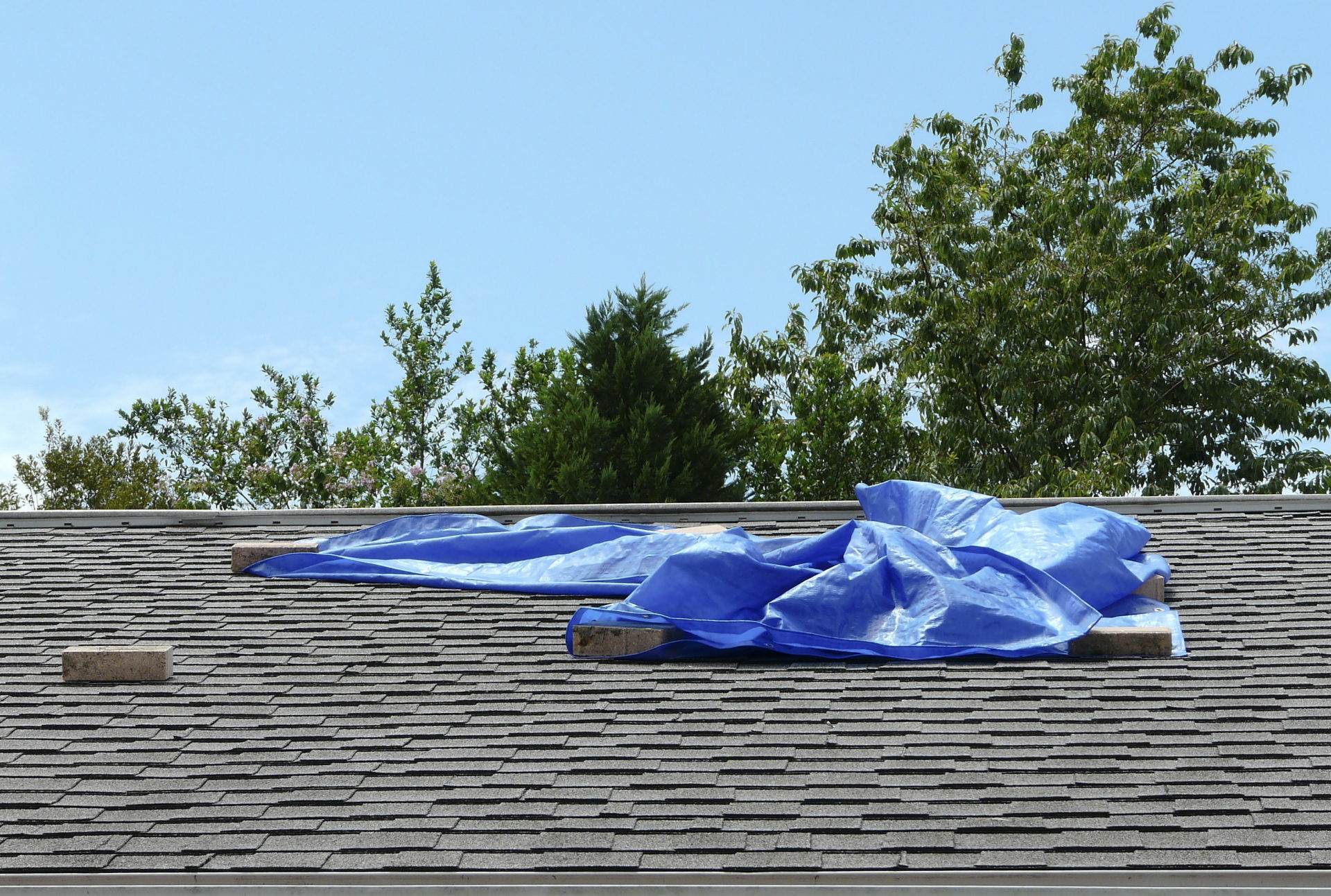
After a hurricane, a hail event, or a wind storm, we perform a focused damage assessment and document everything thoroughly — with photos, locations, and a clear description of conditions — so you have what you need for an insurance claim. Storm damage is often not obvious from inside the building or even from a quick look at the roof; punctures, displaced fasteners, bruised membrane, and loosened flashings can sit unnoticed while water quietly works underneath. We find it, document it, and provide a scope your adjuster can work from. Catching storm damage early, before the next downpour drives water through it, is often the difference between a manageable repair and a major interior loss. Infrared and moisture surveys The most damaging problem on a flat roof is usually invisible: water trapped in the insulation under an intact-looking membrane. Wet insulation holds heat differently than dry insulation, so an infrared scan — read in the right conditions — reveals saturated areas that a visual walk alone would miss. We use moisture detection to map exactly where water has gotten in and how far it has spread. That tells you whether you are facing a few targeted repairs or whether large sections of insulation are already compromised, and it is the single most useful piece of information for deciding between repair and replacement. Given how much hidden saturation Houston's heavy rain and storm events leave behind, this is one of the most valuable inspections we offer.
Schedule a roof review