

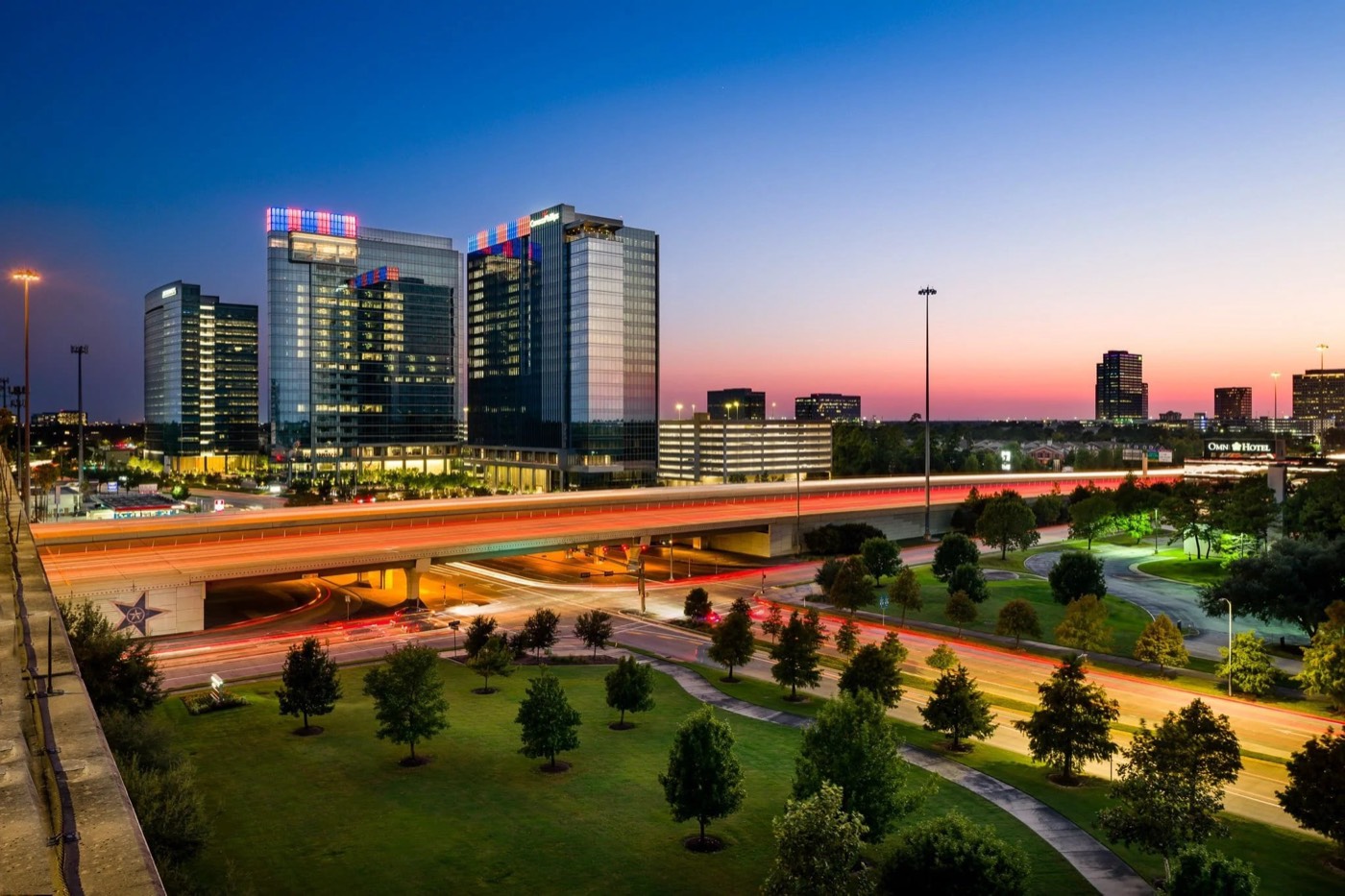
Membrane choices for tall, hot, exposed roofs
Most of the low-slope roofs we work on downtown end up as single-ply systems, and for good reason on the Gulf Coast. A reflective TPO or PVC membrane bounces a meaningful share of the summer sun back off the roof instead of letting it soak into the building, which matters on a tower where cooling load runs hard from March into October. On occupied buildings where odor and open flame are a problem, mechanically attached or fully adhered single-ply lets us avoid the hot work that comes with some older systems, so tenants on the floors below aren't dealing with kettle fumes. Where a building already carries a sound built-up or modified-bitumen roof, a restoration coating can sometimes buy years of service and add reflectivity without a full tear-off, but only when the insulation underneath is dry and the deck is solid. We don't recommend a coating to paper over a roof that is already wet. Wind is the other half of the decision. Downtown's height and the open exposure between towers mean the membrane attachment and the edge metal have to be specified for real uplift, not a generic spec pulled off a shelf. The perimeter and corners of a high-rise roof see far higher uplift pressures than the field, and that is where we concentrate fastening density, wider seam plates, and tested edge-metal detailing. Coping caps, equipment screens, and parapet terminations get the same scrutiny, because those are the components a storm peels off first. Getting the attachment right is what separates a roof that shrugs off a tropical system from one that becomes an insurance claim.