


Skip to content

Commercial Roof Leak Repair in Houston, TX

Schedule a Roof Review

  • Stopping the Leak Before It Becomes a Tear-Off
  • A single active leak rarely stays a single leak. Water that finds its way through a membrane seam or a failed flashing detail travels laterally across the deck, saturates insulation, and shows up at a ceiling tile twenty feet from where it actually entered. By the time most building managers in Harris County call us, the visible stain is the last symptom, not the first. We repair commercial roof leaks across the Greater Houston metro by finding the true point of entry, drying out what we can save, and rebuilding the detail that failed so it holds through the next storm season.
  • Most of the commercial inventory here is flat or low-slope: warehouses along the Ship Channel, office buildings in Westchase and the Energy Corridor, medical facilities feeding the Texas Medical Center, and big-box retail spread across the suburbs. Those roofs drain slowly by design, and on the Gulf Coast they take an enormous volume of water in short, violent bursts. A roof that performs fine in a light rain can leak badly in a tropical downpour simply because standing water finds a weakness that a quick shower never reaches.
  • Why Houston Commercial Roofs Leak
  • The failure modes we see most often are tied directly to local conditions. Intense year-round heat and UV bake single-ply membranes, shrinking them over time and pulling at the seams and the perimeter where the membrane is mechanically fastened or adhered. That shrinkage opens seams and lifts flashings at curbs and walls. On built-up and modified bitumen roofs, the same heat dries out the asphalt and leaves it brittle and prone to cracking.
  • Then there's water itself. The frequency of heavy rain through hurricane season, from June into November, means our roofs are tested far harder than roofs in a dry climate. Hurricane Harvey in 2017 made the point at extreme scale, but it isn't only the named storms that cause leaks. Ordinary Gulf thunderstorms drop several inches in an hour, and any roof with ponding, an undersized drain, or a clogged scupper will back water up against details that were never meant to be submerged. Wind uplift during these storms flexes the membrane and works fasteners loose. Large hail bruises and punctures the surface. Each of these leaves an entry point that the next rain exploits.
  • Open or fishmouthed seams on aging TPO, PVC, and EPDM membranes
  • Failed flashing at parapet walls, curbs, and roof-to-wall transitions
  • Cracked or deteriorated pipe boots and pitch pans around penetrations

Punctures from foot traffic, dropped tools, or wind-blown debris

Ponding water near drains and scuppers that overwhelms marginal details Deteriorated sealant at HVAC curbs, skylights, and electrical penetrations

Schedule a roof review
Commercial Roof Leak Repair in Houston, TX
Downtown Houston commercial rooftops

Backed-up or undersized drainage that violates the slope the roof was designed for

How We Find the Real Source

The hardest part of leak repair is almost never the patch. It's locating where water actually enters. We start on the interior, mapping the stains and moisture against the framing above so we understand the path water is taking. Then we move to the roof and inspect the area uphill from the entry, because water runs downslope under the membrane before it drops through the deck.

Houston Energy Corridor commercial buildings

We check every penetration, seam, and termination in the suspect zone, and where the source isn't obvious we use moisture detection to map saturated insulation below the membrane. On large industrial and warehouse roofs we'll run a controlled water test, isolating one detail at a time so we can confirm the leak rather than guess at it. That discipline matters: a patch in the wrong place leaves the building owner with a repaired roof that still leaks and a bill for the privilege.

Repairs That Last Through the Next Storm

Once we've confirmed the source, we make the repair with materials compatible with your existing roof system. On single-ply membranes that means heat-welding new material into PVC or TPO, or using the correct adhesives and cover tape on EPDM, rather than smearing on a mastic that will crack in the heat within a season. On modified bitumen we cut out the failed section, rebuild the plies, and re-flash the detail properly. Around penetrations we replace failed boots and rebuild pitch pans instead of topping them off with caulk.

Roof planning notes

Roof Scope Notes

Talk with a Houston commercial roofing team

When a Repair Isn't Enough

Sometimes the honest answer is that a roof is past the point where spot repairs make economic sense. If a membrane has shrunk badly, the seams are failing across the whole field, or the insulation is wet over a large area, we'll tell you. We'd rather walk you through repair-versus-replace numbers than keep selling patches on a roof that needs a restoration coating or a tear-off. That said, most leaks we see are localized and entirely repairable, and a well-made repair buys real years. Emergency Response and Documentation

Talk to Us About Your Roof

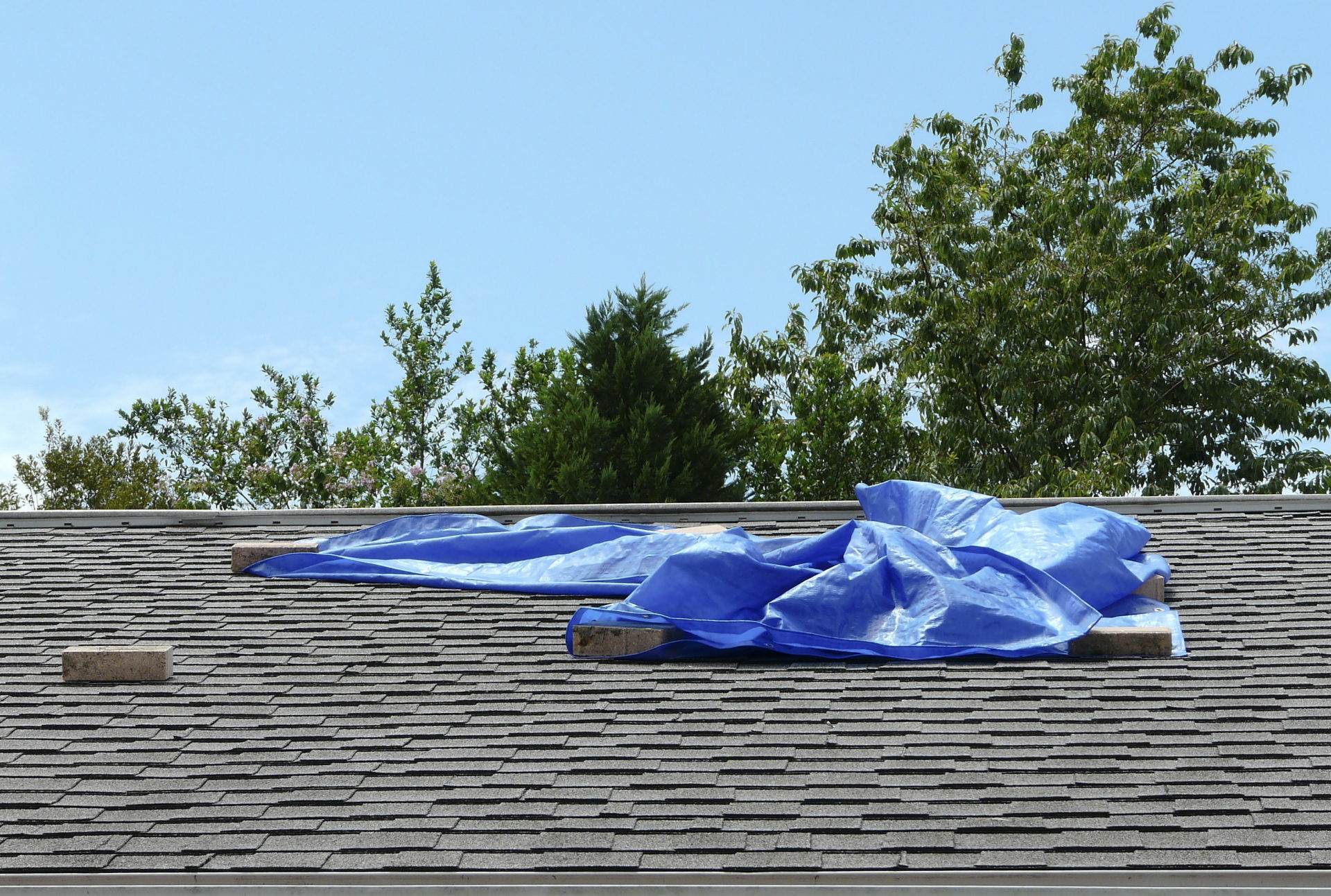
Active leaks during a storm don't wait for business hours. When water is coming into a tenant space, a server room, or a production floor, we can get a crew out to stop the active intrusion with a temporary measure and return for the permanent repair once conditions are safe and the area is dry enough to work. For buildings with tenants or insurance involvement, we document what we find and what we did with photos and notes, which helps when a leak is part of a larger claim or a dispute over an aging roof. Talk with a Houston commercial roofing team