
Skip to content

Repair and restore sun-baked Houston commercial roofs. We address UV degradation, thermal cracking, and brittle membranes with coatings and targeted repair.

Schedule a Roof Review

  • What the Sun Does to a Flat Roof Here
  • Heat and ultraviolet exposure are the slow, relentless killers of commercial roofs in Houston. There is no single storm to point at, but year after year of intense sun, long cooling seasons, and surface temperatures that climb well past the air temperature on a dark membrane add up to a roof that ages out faster than the same roof would in a milder climate. We repair and restore sun-damaged commercial roofs across the Houston area, from sprawling warehouse roofs in the industrial corridors to office and retail buildings in Westchase and the Galleria, and the pattern of UV damage is recognizable once you know what to look for.
  • The damage is driven by two things working together. Ultraviolet radiation breaks down the chemistry of the roofing material at the surface, and the daily heat cycle expands and contracts the membrane and everything attached to it. A roof in Houston goes through that expansion and contraction nearly every day for most of the year, and the constant movement fatigues seams, fasteners, and flashings while the UV embrittles the surface.
  • How UV and Heat Damage Shows Up
  • Brittle, Chalky, and Cracked Membranes
  • On single-ply roofs, prolonged UV exposure makes the top of the membrane lose its flexibility. The surface chalks, the material gets stiff and brittle, and it starts to craze and crack, especially over insulation joints and anywhere the membrane is stressed. A membrane that should still flex with the building has instead turned hard, and once it cracks the water gets in.
  • Alligatoring on Asphalt and Modified Roofs
  • Built-up and modified bitumen roofs show heat and UV damage as alligatoring, a network of cracks across the surface that looks like reptile skin. The asphalt has dried out, lost its oils, and lost its ability to move with the roof. We see this constantly on older Houston commercial roofs where the surfacing wore away and left the asphalt exposed to the sun.
  • Failed Seams and Pulled Flashings

Roof planning guidance

The daily thermal cycle is hardest on the places where the roof is joined or terminated. Seams that were sound when the roof was new open up as years of expansion and contraction work them loose. Flashings at walls and curbs pull away from their terminations. Fasteners back out and start to telegraph through the membrane. These are mechanical failures driven by heat movement, and they are where heat-aged roofs most often start to leak. Faded, Heat-Soaked Dark Roofs A dark or weathered roof absorbs heat instead of reflecting it, which drives the membrane temperature up, accelerates the UV breakdown, and pushes cooling costs higher because the heat soaks into the building. On a Houston roof that runs hot for most of the year, a dark, sun-baked surface is both a durability problem and an energy problem.

Schedule a roof review
UV & Heat Damaged Roof Repair | Houston, TX
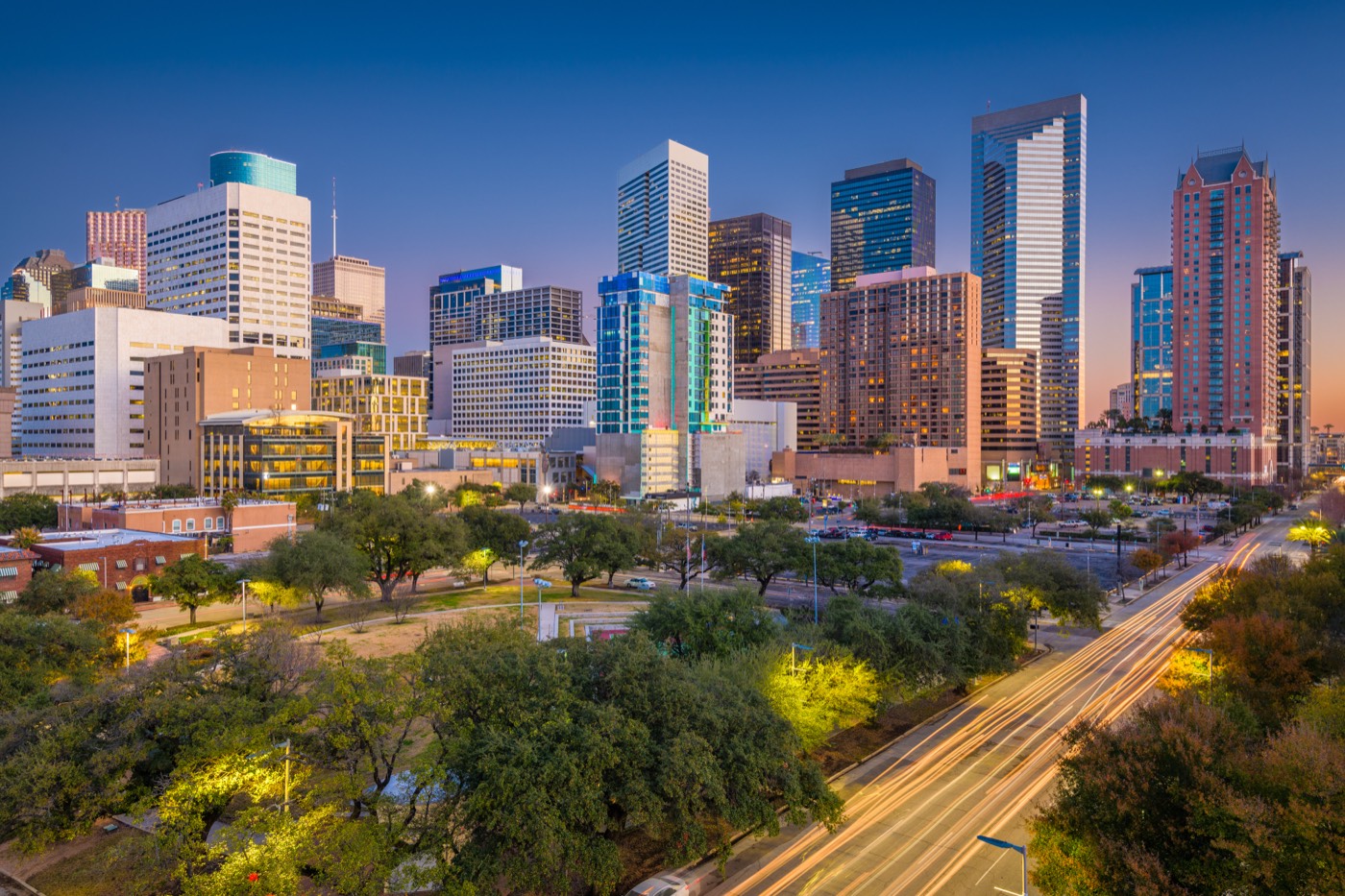
Downtown Houston commercial rooftops

How We Repair and Restore Sun-Damaged Roofs

The right fix depends on how far the damage has gone. We assess the membrane condition, check whether the insulation underneath is still dry, and recommend the level of intervention that actually fits the roof rather than defaulting to the biggest job.

Targeted Repairs
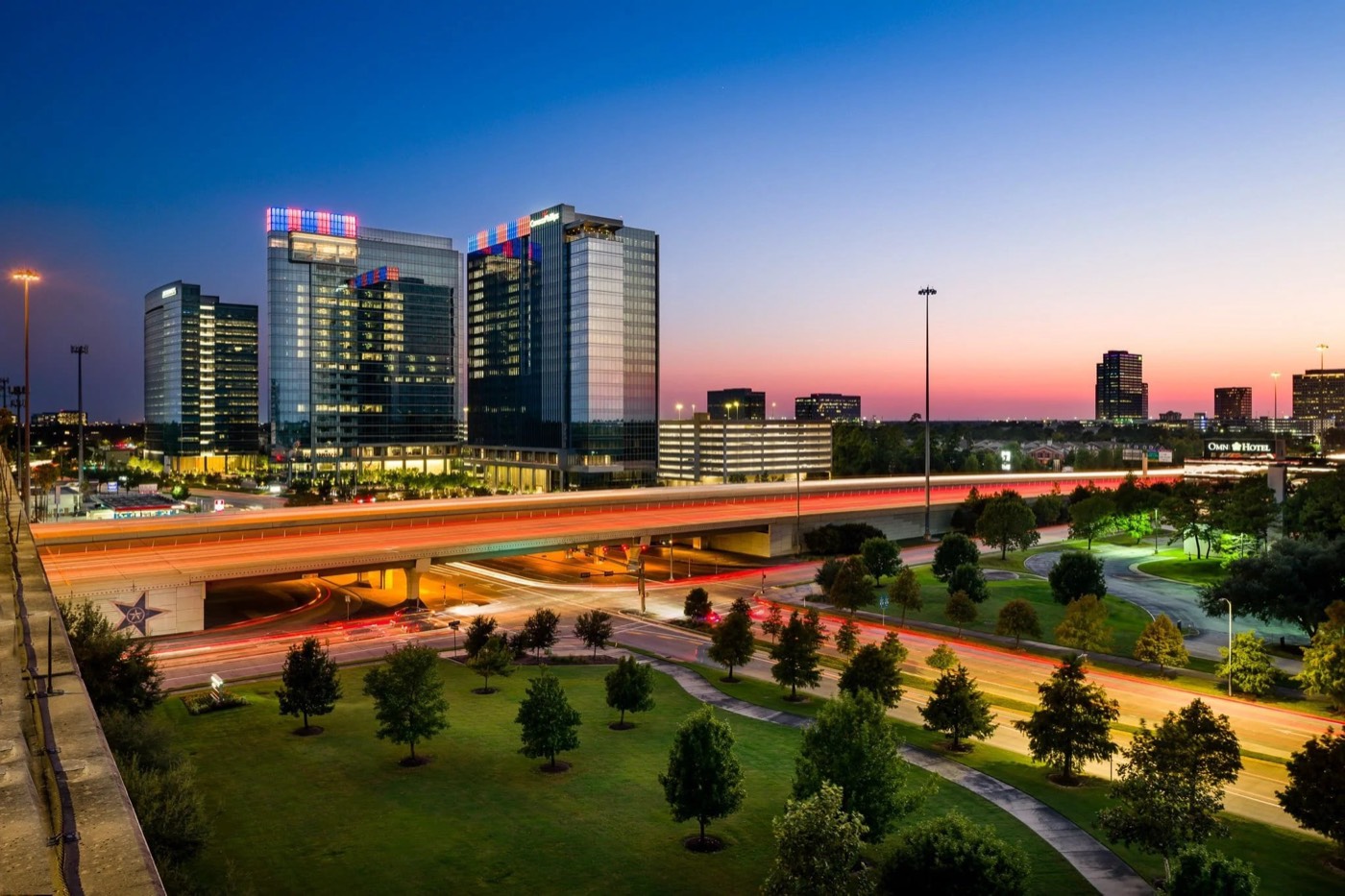
Houston Energy Corridor commercial buildings

Where the damage is localized, cracked seams, a few brittle areas, pulled flashings, we make focused repairs. We cut out and replace failed sections, rebuild seams and terminations, and re-secure flashings so the worn details are watertight again. This buys real time on a roof whose field is otherwise still sound.

Reflective Roof Coatings

For a roof that is broadly sun-aged but structurally sound and dry underneath, a reflective coating is often the most sensible move in this climate. A white silicone or acrylic coating system reflects sunlight instead of absorbing it, which drops the surface temperature, slows the UV breakdown, and seals the surface crazing and minor cracks across the whole roof. The reflectivity also takes load off the building's cooling. Because Houston runs hot and sunny for so much of the year, reflective coatings give back more here than they do in cooler regions. We only coat over a roof that is dry, so we confirm the insulation is not already saturated before any coating goes down.

Roof planning notes

Roof Scope Notes

Talk with a Houston commercial roofing team

A seamless monolithic layer that seals surface crazing and small cracks

Reduced cooling load on a building that runs the AC most of the year Extended service life on a roof that is aged but not yet failed

Re-Cover and Replacement

When the membrane is too far gone, brittle and cracked across the field, or when the insulation underneath has gotten wet, a coating only paints over the problem. At that point we plan a re-cover or a full replacement and steer toward a reflective system built to stand up to the Houston sun the next time around, so the new roof does not age out the same way. Talk with a Houston commercial roofing team