Skip to content

Commercial Roofing in La Porte, TX

Schedule a Roof Review

  • Roofing from the Bayport District to the Galveston Bay shore
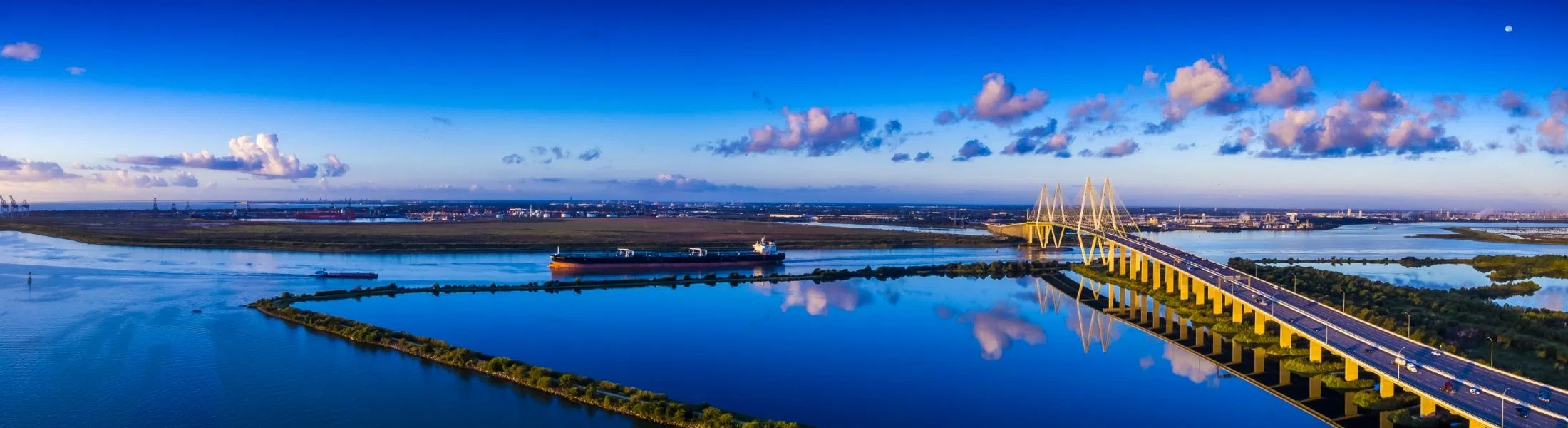
  • La Porte covers more ground, and more kinds of building, than most towns on this stretch of the coast. On its south side sits the Bayport Industrial District, a sprawling complex of chemical plants, polymer and resin producers, and the Port Houston Bayport container and cruise terminals that move goods through the upper bay. On its north and east, the city runs right down to Galveston Bay at Sylvan Beach, with the recreation, retail, and bayfront commercial property that comes with a waterfront. The Fred Hartman Bridge carries Highway 146 over the Houston Ship Channel at the city's edge, tying it into the whole industrial network. The commercial roofs we work on here reflect that range, from heavy process buildings in Bayport to strip centers and restaurants near the water, and they are nearly all flat or low-slope. That is the work we do.
  • The spread is the point. A roof over a Bayport chemical-plant support building and a roof over a shop near Sylvan Beach face very different threats, and we scope each for what it actually is rather than running both through one template.
  • The Bayport industrial environment
  • The Bayport Industrial District is one of the largest petrochemical clusters in the region, and the roofs inside it live in conditions a normal commercial roof never sees. Process exhaust, chemical fallout, and hydrocarbon residue settle onto the membrane and degrade certain materials over time. Asphalt systems can dry and embrittle. Some single-ply membranes resist particular chemical families well and others poorly, and the wrong choice on a Bayport building shows up later as cracking, surface breakdown, and seam failure that arrives years ahead of schedule. These roofs also see constant foot traffic from operators, maintenance crews, and contractors, plus the loading and abrasion that come with rooftop equipment and piping. That traffic wears a membrane out faster than weather alone. With the container terminal nearby, there is heavy logistics activity layered on top, and the warehouse and distribution stock that serves the port carries its own wide, flat roofs. When we recommend a system for a building in or around Bayport, we account for what is actually landing on and moving across that roof.
  • The building stock we see most
  • La Porte's commercial roofs sort into a few clear groups, and each fails in its own way.
  • Heavy process and chemical-plant buildings in the Bayport district, often carrying older built-up or modified bitumen patched many times around equipment.
  • Tilt-wall and metal warehouses and distribution buildings tied to the port and the freight routes off Highway 225 and 146, running single-ply membranes.

Roof planning guidance

Pre-engineered metal buildings across the industrial areas, where through-fastened panels loosen at the laps and fasteners back out under thermal cycling. Retail strips, restaurants, offices, and bayfront commercial buildings near Sylvan Beach and along Fairmont Parkway, where smaller flat roofs hide behind parapet walls and quietly pond. Bayfront wind is a front-line concern here

Schedule a roof review
Commercial Roofing in La Porte, TX
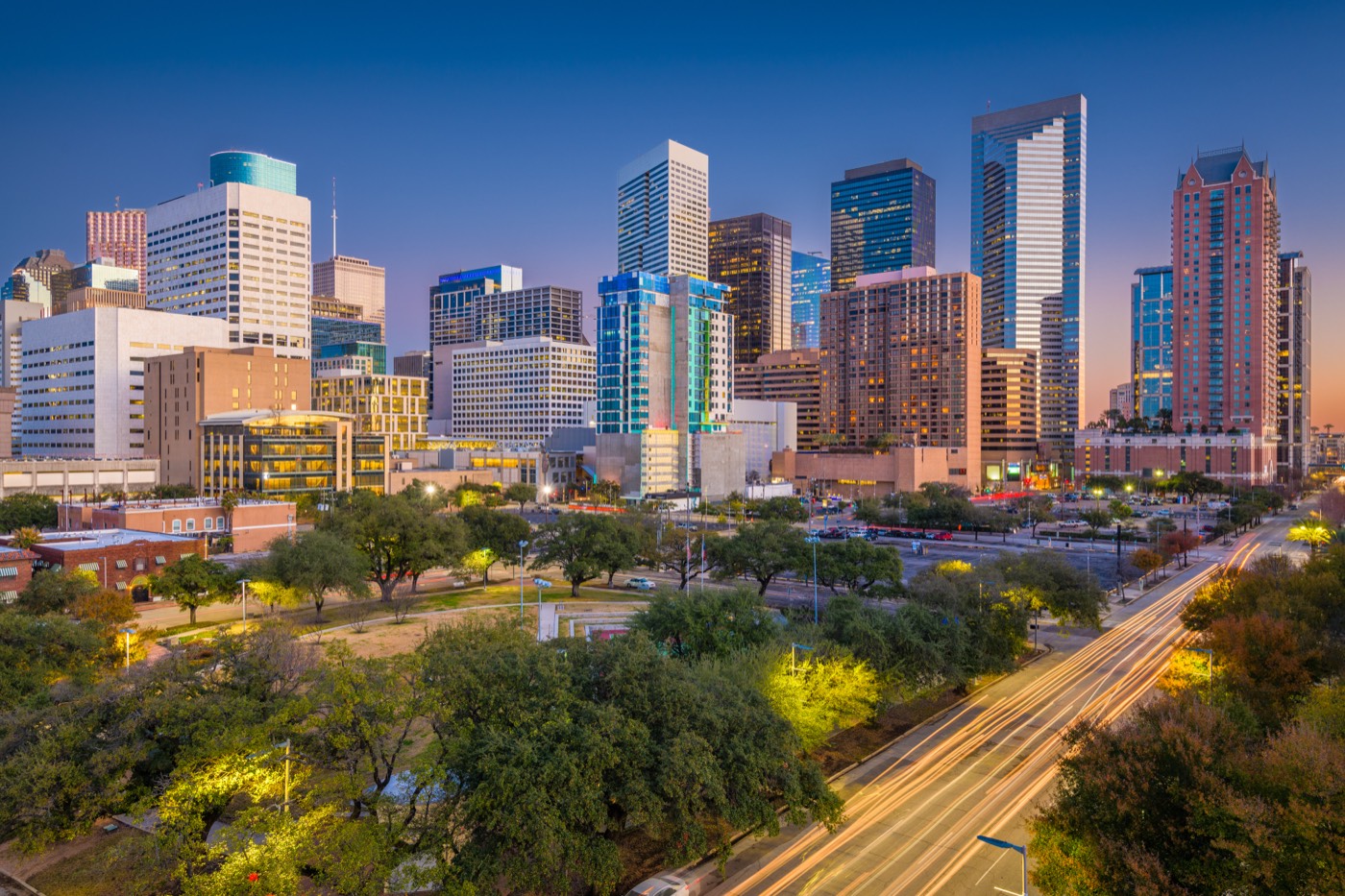
Downtown Houston commercial rooftops

What sets La Porte apart from the inland industrial towns is its exposure to Galveston Bay. A roof near Sylvan Beach or out on the bay side of the Bayport district takes wind off open water with little to break it, and that changes the math on every assembly. This stretch of the upper Texas coast is squarely in hurricane and tropical storm territory, and the open-water exposure makes wind uplift a genuine design concern rather than an afterthought. Hurricane Ike came ashore on this part of the coast, and storm seasons since have driven the lesson home. On the wide, exposed roofs common in Bayport and along the freight corridors, and on the bayfront buildings catching wind straight off the water, edge metal, fastening patterns, and parapet detailing decide whether a roof stays down. A membrane that is watertight but poorly secured at the perimeter will peel back in a strong blow no matter how new it is. On a La Porte roof, we worry about the perimeter and the edge first.

The rest of the Gulf Coast climate behind the failures

Wind is not the only force at work. The heat comes first and lasts longest, with months of intense summer sun and UV pushing membrane surface temperatures far past what the air thermometer reads. Asphalt-based systems dry and embrittle, plastics get brittle, and adhesives are stressed all season. Heat is the slow killer of a flat roof here.

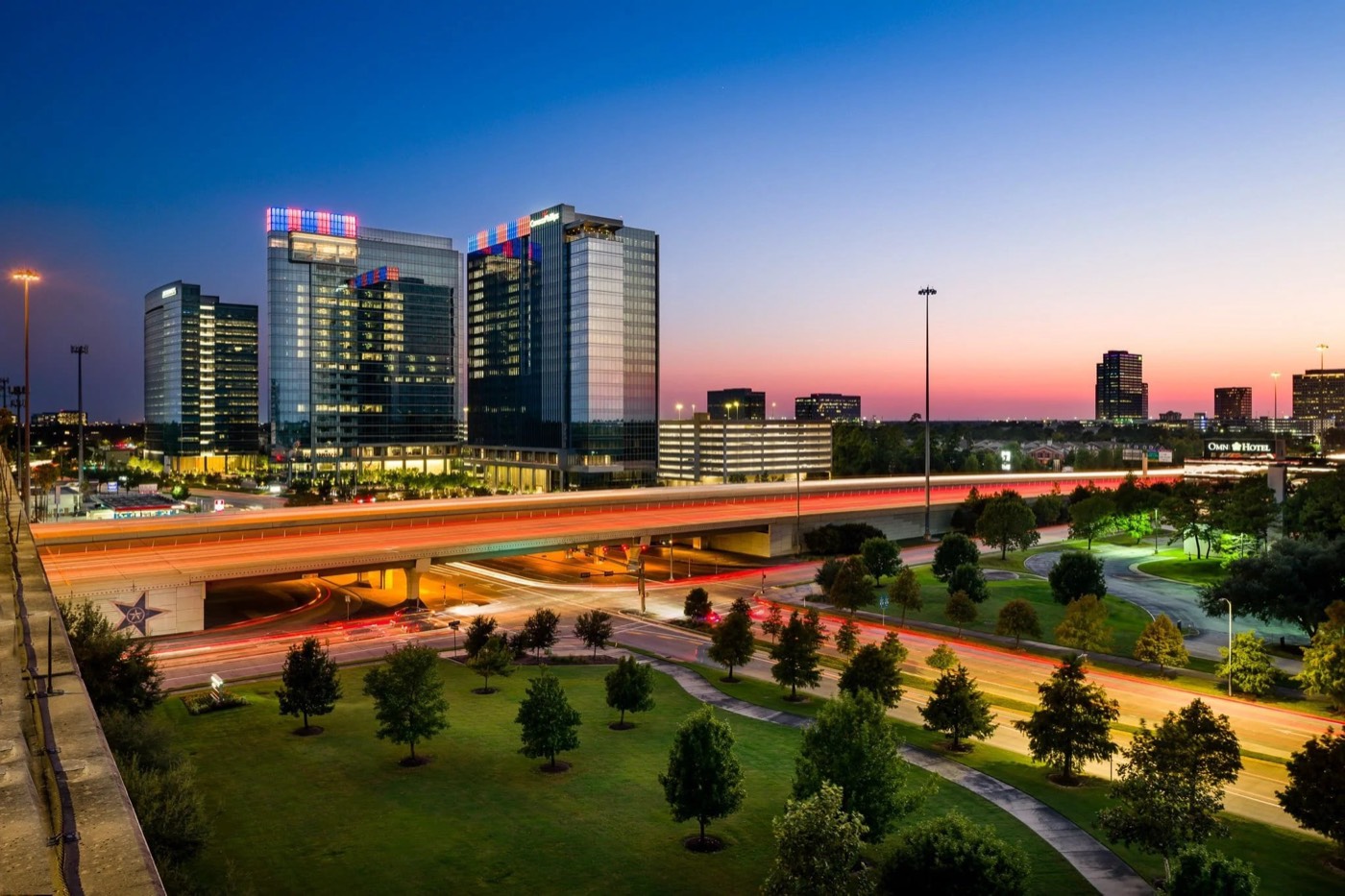
Houston Energy Corridor commercial buildings

Hail is the other big-ticket threat. Severe spring storms roll across the region with hail that bruises membranes, cracks aging built-up surfaces, and dents metal panels and rooftop units. Hail damage often hides for months before it surfaces as a leak, and a good share of the claims we work in La Porte trace back to a single hard storm.

And it rains hard here. When a Gulf system stalls over southeast Harris County, rainfall totals climb fast, and the flat terrain near the bay gives that water nowhere easy to go. A flat roof has to shed enormous volumes quickly, and when it cannot, ponding adds load, degrades the membrane, and finds every weak seam. On most flat roofs we walk in La Porte, drainage is the root cause hiding behind the symptom. We map the low spots, check whether existing drains and scuppers are actually carrying water, and read the staining and membrane breakdown that mark chronic ponding. On a large warehouse or industrial roof, fixing drainage with tapered insulation or added drainage points often extends the roof's life more than any membrane upgrade would. We would rather correct why water is sitting on the roof than keep repairing the damage it leaves behind.

What we provide for La Porte owners and facilities

Roof planning notes

Roof Scope Notes

Talk with a Houston commercial roofing team

Leak investigation and repair that traces water to its real entry point rather than the ceiling stain.

Roof condition inspections and written reports for budgeting, capital planning, and post-storm documentation. Single-ply, modified bitumen, and built-up replacement and recover on industrial buildings, warehouses, and commercial properties.

Flashing, edge metal, and equipment-curb detailing around the rooftop equipment these buildings carry.

Metal building roof repair, including panel, lap, and fastener issues on pre-engineered structures. Talk with a Houston commercial roofing team