Skip to content

Commercial Roofing in Pasadena, TX

Schedule a Roof Review

  • Roofing built for Pasadena's industrial corridor
  • Pasadena runs on heavy industry, and the roofs we work on here reflect that. The petrochemical plants and refineries lining the Houston Ship Channel sit alongside tank farms, pipe yards, chemical processing facilities, and the warehouse and distribution stock that feeds them. Drive Red Bluff Road or Pasadena Boulevard and you pass metal building systems, tilt-wall warehouses, older built-up roofs on process buildings, and single-ply membranes covering newer logistics space. We handle the flat and low-slope assemblies on all of them, because that is what sits on top of nearly every commercial structure in this part of southeast Harris County.
  • What sets Pasadena apart from a typical suburb is the operating environment on the roof itself. A roof near the Bayport Industrial District or along the channel is not just exposed to weather. It deals with airborne chemical fallout, process exhaust, and the kind of foot traffic and equipment loading that a busy plant generates. Maintenance crews, contractors, and operators are up there constantly, and that traffic punishes a membrane far faster than weather alone. When we inspect a roof in Pasadena, we are reading both the climate damage and the wear that comes from a building that never really shuts down.
  • The building types we see most here
  • Pasadena's commercial roof stock falls into a few clear groups, and each one fails in its own way.
  • Pre-engineered metal buildings on process and fabrication sites, where the original through-fastened panels have loosened at the laps and the fasteners have backed out under thermal cycling.
  • Large tilt-wall and concrete warehouses near the Spencer Highway and Beltway 8 freight routes, usually carrying ballasted or mechanically attached single-ply that is reaching the end of its service life.
  • Built-up and modified bitumen roofs on older industrial and office buildings, many installed decades ago and patched repeatedly around equipment curbs.
  • Smaller retail strips, medical offices, and restaurants along Fairmont Parkway and Pasadena Boulevard, where flat sections behind parapet walls quietly pond and leak.

Roof planning guidance

A refinery support building and a Fairmont Parkway strip center do not need the same roof, and they do not fail for the same reasons. We scope each one against how the building is actually used, not against a one-size template. Why the chemical environment matters Roofs in industrial Pasadena take chemical exposure that most commercial roofs never see. Acid gases, hydrocarbons, and process residue settle on the membrane and break down certain materials over time. Asphalt-based systems can dry and embrittle. Some single-ply membranes hold up well to specific chemical families and poorly to others. When we recommend a system for a plant or a building inside the Bayport or Ship Channel corridor, we factor in what is actually landing on that roof. Specifying the wrong membrane chemistry on an industrial building near the channel is an expensive mistake that shows up two or three years later as premature cracking and seam failure.

Schedule a roof review
Commercial Roofing in Pasadena, TX
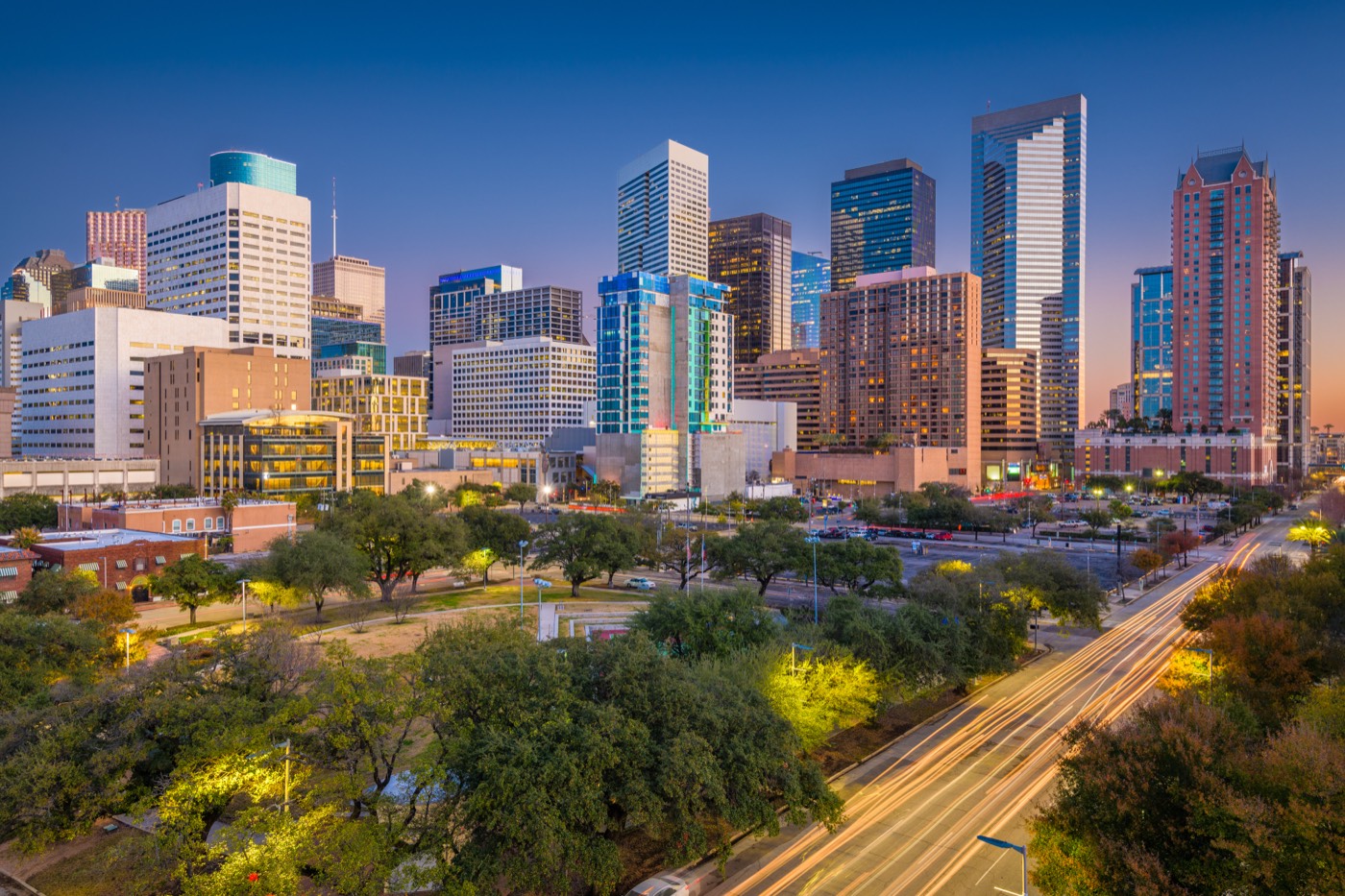
Downtown Houston commercial rooftops

The Gulf Coast climate that drives roof failure

Pasadena sits in one of the hardest climates in the country for a flat roof. Every summer brings months of intense heat and UV that bake a membrane, accelerate aging, and drive surface temperatures well past what the air thermometer reads. Asphalt softens, plastics get brittle, and adhesives are pushed to their limits day after day.

Then there is the wind. This stretch of the upper Texas coast is squarely in hurricane and tropical storm territory, and we are close enough to Galveston Bay and the open Gulf that wind uplift is a genuine design concern, not an afterthought. We saw what Hurricane Ike did to this area, and storms since then have reinforced the lesson: edge metal, fastening patterns, and parapet detailing decide whether a roof stays down. On the wide, exposed warehouse roofs common around the Ship Channel, uplift is what we worry about first. A membrane that is watertight but poorly secured at the perimeter will peel back in a strong blow regardless of how new it is.

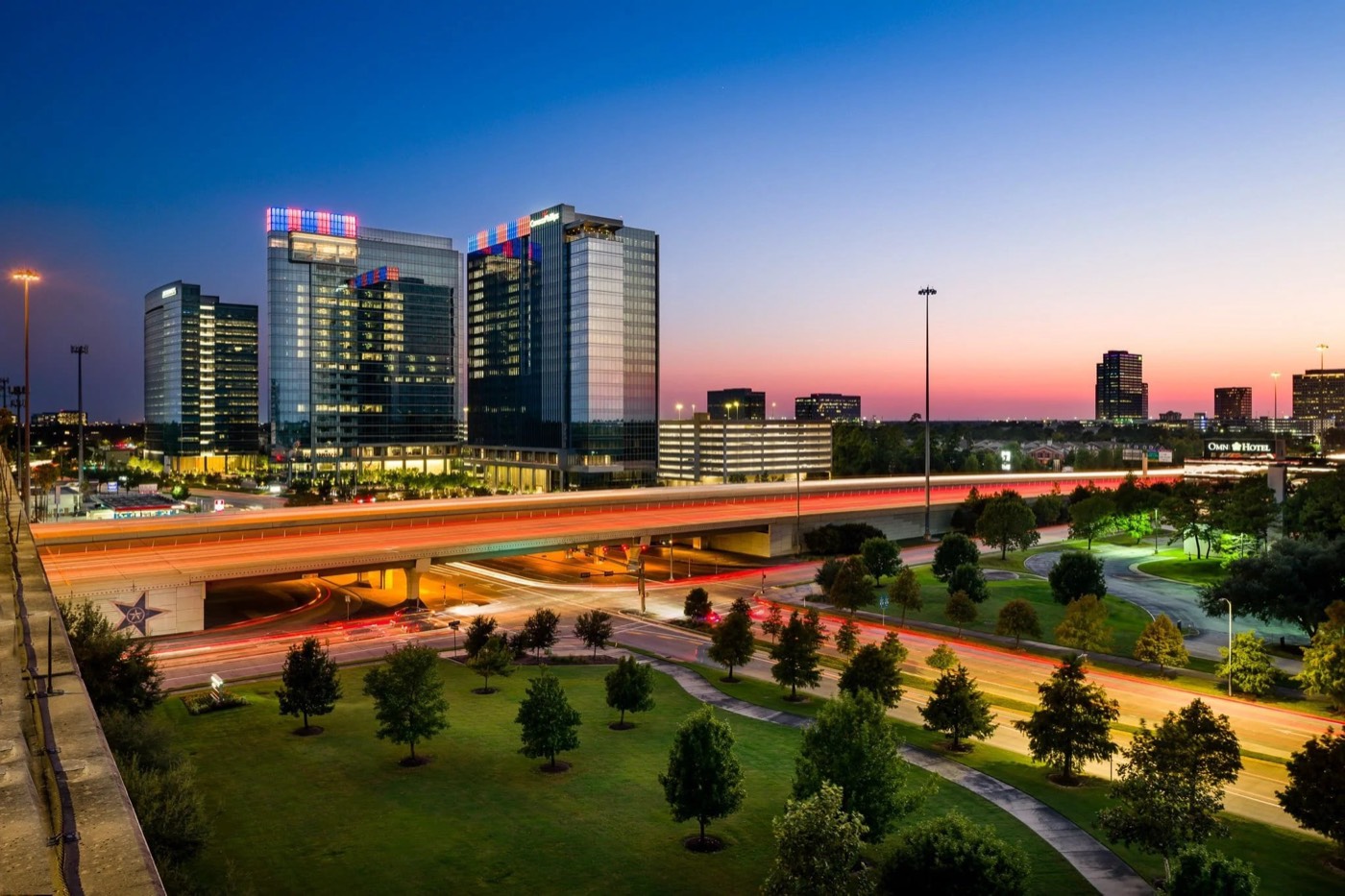
Houston Energy Corridor commercial buildings

Hail is the other big-ticket threat. Severe spring storms roll across the Houston region with hail that can bruise membranes, crack aging built-up surfaces, and damage rooftop units and metal panels. A lot of the roof claims we see in Pasadena trace back to a single hard hailstorm followed by months of slow leaks that nobody connected to the original event.

And it rains hard here. When a Gulf system stalls over southeast Harris County, the rainfall totals get extreme, and that water has to get off the roof fast. Pasadena's flat industrial roofs live or die on drainage. Ponding water adds dead load, degrades the membrane, and finds every weak seam. With Harris County's flat terrain and the drainage pressure that comes with heavy storms, we treat roof drains, scuppers, and overflow paths as core to the job rather than a detail to check at the end.

How we approach drainage on a Pasadena roof

Roof planning notes

Roof Scope Notes

Talk with a Houston commercial roofing team

What we do for Pasadena building owners

We work the full range of commercial flat and low-slope roofing for owners and facility managers across Pasadena, from one-off leak calls to full tear-off and replacement on aging industrial roofs. Roof inspections and condition reports, including documentation owners can use for budgeting, capital planning, or insurance after a storm.

Membrane replacement and recover for single-ply, modified bitumen, and built-up systems on warehouses, industrial buildings, and commercial properties.

Leak investigation and repair, tracing water back to its actual entry point instead of chasing the stain on the ceiling. Talk with a Houston commercial roofing team