
Skip to content

Commercial Roofing in the Heights, TX

Schedule a Roof Review

  • Old buildings and new builds on the same block
  • The Heights is one of the few parts of Houston that grew up before the car, and you can read it on the rooftops. Walk 19th Street and you pass century-old commercial storefronts with flat, parapet-fronted roofs sitting right next to ground-up mixed-use buildings that went up in the last few years. North of the historic core, the bungalow neighborhoods have given way to retail, restaurants, and office conversions along Heights Boulevard, Yale, and Studewood. For a commercial roofer, that mix is the whole job: an aging modified-bitumen roof over a 1910s storefront and a new single-ply membrane over a multi-tenant retail building can sit fifty feet apart and need completely different answers.
  • The historic district status that protects the look of The Heights also shapes the work. The street-facing parapets, cornices, and storefront facades are exactly what the neighborhood is known for, and roof work behind those parapets has to be staged so it doesn't damage the visible architecture. We treat the parapet line and any decorative metal as something to protect, not just a place to terminate a membrane.
  • Gulf Coast weather on older roofs
  • The Heights sits inland from the bay, but it gets the same Gulf Coast punishment as the rest of Houston, and the older building stock here is more exposed to it. Many of these flat roofs have been recovered more than once over the decades, which means added weight, buried old flashings, and seams of unknown age hiding under the current surface. When hurricane season brings high wind from June through November, the parapet flashing and edge metal on these older buildings are the first things to lift. Large hail, which rolls through this part of Harris County in spring storms, bruises aging membrane and cracks brittle surfacing that has spent years baking under intense Houston sun.
  • Water is the other constant. The Heights flooded in the historic events of recent years, and while the rooftops aren't the source, heavy rain tests every drain and scupper on a flat roof at once. Older Heights buildings often have undersized or interior drains that were never meant for the rainfall rates Harris County now plans around. When those back up, water ponds behind the front parapet, soaks into recovered insulation, and works its way into the storefront below. We check drainage carefully on every Heights roof because on a building this old, ponding is usually the real story behind a recurring leak.
  • What we typically work on here
  • Historic 19th Street storefronts with flat or low-slope roofs behind decorative parapets, often carrying layered built-up or modified-bitumen systems
  • Converted bungalows and small commercial buildings now used as shops, studios, and offices

Roof planning guidance

New and recent mixed-use and retail buildings along Heights Boulevard, Yale, and Studewood with single-ply membranes Restaurants and bars where rooftop kitchen exhaust, grease, and equipment curbs put extra stress on the membrane How we scope a Heights roof

Schedule a roof review
Commercial Roofing in the Heights, TX
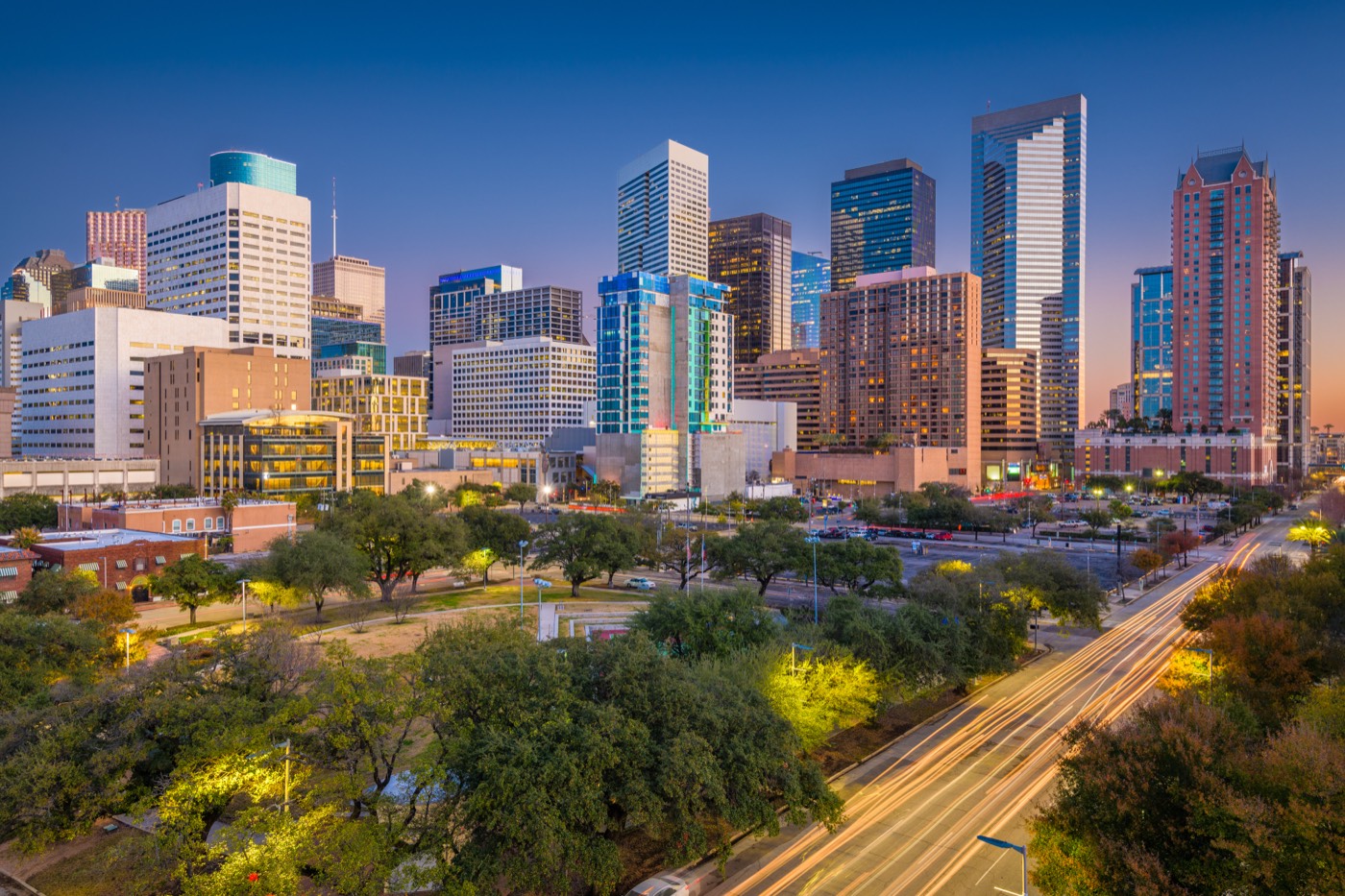
Downtown Houston commercial rooftops

Because so many of these roofs have been worked on before, we start by figuring out what is actually up there. A test cut or core sample tells us how many layers exist, whether the insulation under them is wet, and what the deck is doing. That matters in The Heights, because selling a coating or a recover over trapped moisture just buries a problem that comes back. We document the membrane field, the seams, the parapet and coping condition, the drains, and any previous repair edges, then we separate what can be repaired from what really needs to be replaced.

Access here is tighter than the open suburban sites west of town. Storefronts share walls, alleys are narrow, and the customer base for these buildings depends on foot traffic, so we plan staging, material movement, and debris removal around businesses that need to keep their doors open. For restaurants and shops, we work around service hours and protect the spaces below. The goal is a scope a building owner can actually run without shutting down a tenant.

What shapes the scope in The Heights

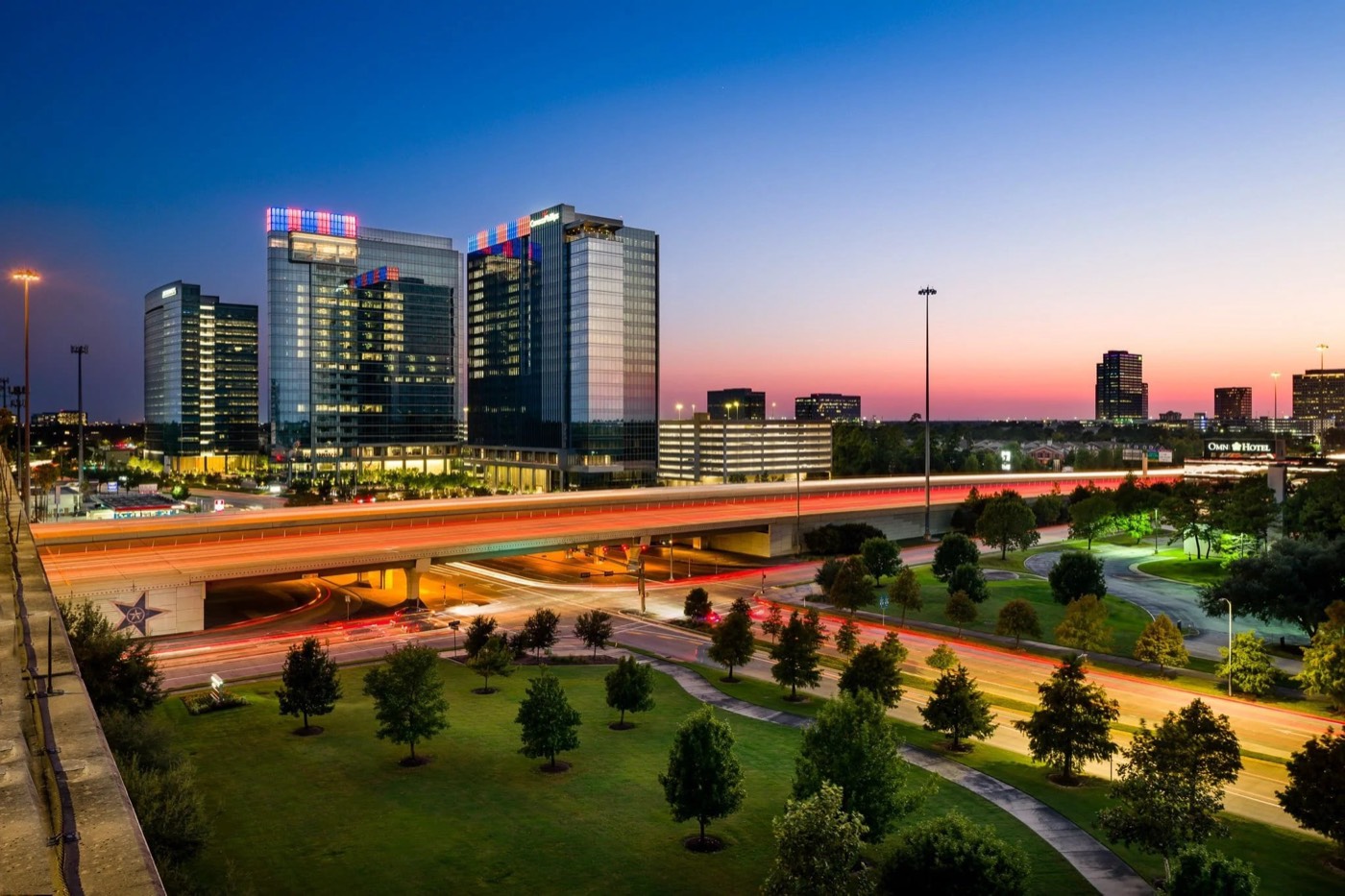
Houston Energy Corridor commercial buildings

How many existing layers are on the roof and whether the insulation underneath has held up

Condition of street-facing parapets and decorative metal that the historic character depends on

Drainage capacity on older buildings facing today's Harris County rainfall

Roof planning notes

Roof Scope Notes

Talk with a Houston commercial roofing team

Repair, recover, or replace on a layered roof

The hardest question on a Heights building is usually not how to fix the roof but whether to fix it at all or start over. Many of these flat roofs are already at or past the two-layer limit that most codes allow, which means another recover isn't on the table even if the budget would prefer it. When we core a Heights roof and find dry insulation, a sound deck, and a single failing layer, a repair or a restoration coating can be the right, economical call. When we find wet insulation spread across the field, repeated seam failures, and a deck that has been quietly taking on moisture, those repairs are just postponing a tear-off that keeps getting more expensive. We lay out the honest trade-off so an owner can decide with the full picture instead of reacting to the cheapest bid. Tear-offs on older Heights buildings carry their own surprises. Once the existing layers come off, we sometimes find a wood deck that needs sections replaced, old nailers that have rotted, or masonry parapets that need tuckpointing before new flashing can terminate into them. We flag those possibilities before the work starts and price them as clearly identified allowances rather than springing them as change orders mid-project. On a historic building, the goal is to leave the visible street-facing architecture untouched while bringing the roof and its drainage up to something that can handle modern Houston weather.

Roofing around small businesses and tenants

The buildings along 19th Street and the Heights commercial corridors are full of small businesses that live and die on foot traffic, and a roof project that drives away customers for a week isn't really a solution. We plan the work around how each building actually operates. For a restaurant or bar, that can mean staging deliveries and the noisiest work outside of service hours and protecting kitchen equipment and rooftop exhaust units while we work around them. For a shop or a gallery, it means keeping the entrance clear, controlling dust and debris, and protecting the finished interior below. Because these buildings often share walls and sit on narrow lots, we coordinate with neighbors on staging and access so one project doesn't shut down half a block. Talk with a Houston commercial roofing team