
Skip to content

Commercial Roofing in Uptown Galleria, TX

Schedule a Roof Review

  • Roofing Houston's second skyline
  • Uptown is a skyline in its own right, focused on The Galleria and stretched along Post Oak Boulevard from the 610 Loop down toward Richmond. The roofs here are not the small, varied patchwork of the inner-loop neighborhoods. They are large, engineered, and consequential: the multi-block Galleria complex, Class A office towers like Williams Tower at the south end of Post Oak, luxury hotels, and high-end retail with mechanically dense rooftops. We work commercial low-slope and specialty roofing across all of it, and the scale changes how the job runs from the first phone call onward.
  • A roof on a Post Oak tower is rarely a simple plane. It is a working mechanical level, crowded with cooling towers, large rooftop units, screen walls, antenna arrays, and the pads and curbs that anchor them. The membrane has to survive constant foot traffic from the building's own engineers and trade contractors, and most of the failures we find here start at a penetration, a pipe boot, or a poorly maintained equipment curb rather than out in the open field. When we walk an Uptown roof, we are mapping that equipment landscape as much as the membrane itself.
  • The buildings and what their roofs demand
  • The Galleria is the anchor of the district and a roofing project unlike almost anything else in the metro. As one of the largest malls in the country, with several anchor stores, a multi-level retail footprint, an indoor ice rink, and office towers integrated into the complex, it is effectively many roofs at different ages and on different structural systems. Coordinating roof work across a property of that size means working around continuous retail operations, deliveries, and the property management team's maintenance windows, never against them. The covered and conditioned space below means a leak is never just a roof problem; it is a tenant problem and a merchandise problem.
  • The office towers along Post Oak are the other defining product. Class A buildings carry tight tenant expectations and full occupancy below the deck, so noise, odor, crane windows, and roof-access logistics through the building's freight and stair systems all have to be planned with building management before a crew mobilizes. The luxury hotels in the district add round-the-clock occupancy and a low tolerance for disruption over guest floors. None of this work is generic, and we scope it accordingly.
  • The Galleria complex: large multi-level retail, anchor stores, integrated office towers, and the ice rink structure
  • Class A office towers along Post Oak Boulevard, including the Williams Tower vicinity at Uptown Park
  • Luxury hotel roofs with 24-hour guest occupancy and strict disruption limits

Roof planning guidance

High-end retail and showroom buildings with mechanically dense, equipment-heavy rooftops Parking structure top decks and amenity terraces tied into the towers Wind uplift at altitude and the Gulf storm season

Schedule a roof review
Commercial Roofing in Uptown Galleria, TX
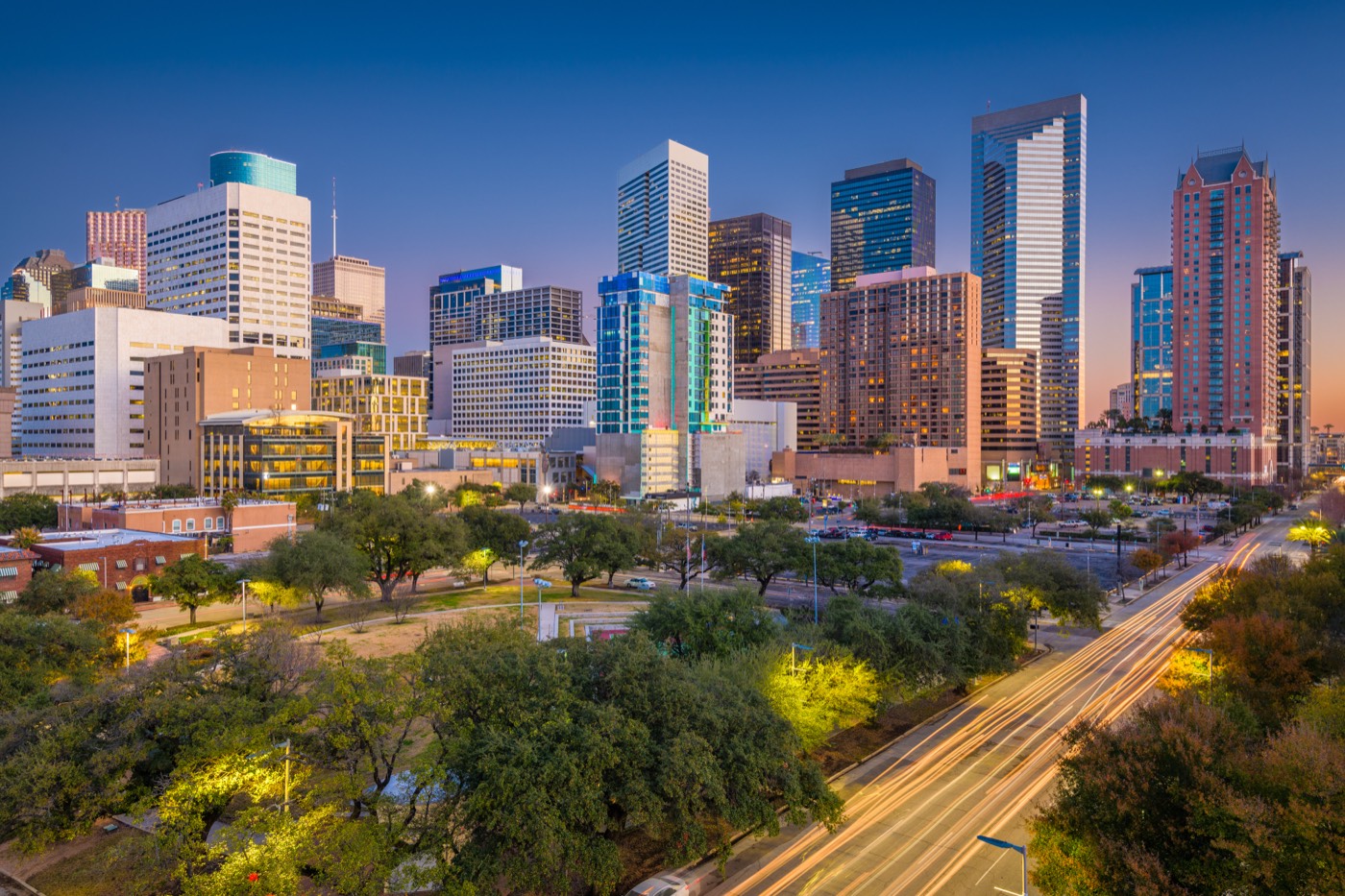
Downtown Houston commercial rooftops

Height is the defining roofing risk in Uptown. Wind speed climbs with elevation, and on a tall Post Oak tower the corners and perimeter of the roof see uplift pressures far higher than a low building a mile away would ever feel. Hurricane season, June through November, is when that matters most. We pay close attention to edge metal, coping, parapet attachment, and the fastening pattern at the perimeter zones, because that is where a high-rise roof comes apart in a major wind event, and a failure up there rains debris on a busy district below.

Hail is the spring threat, and large stones do real damage to single-ply membranes and to the soft metal on rooftop equipment. After a severe storm we document the field impacts and the equipment damage together, photograph them, and give an honest read on whether the membrane is compromised or merely marked. The intensity of Gulf Coast sun is the slow version of the same problem: relentless UV and heat age a membrane and bake out coatings, which is why reflective systems and disciplined maintenance buy real years on a large Uptown roof.

Drainage on these big footprints is unforgiving. A flat acre of membrane sheds an enormous volume of water during a Houston downpour, and Uptown's own history with flooding around the 610 and 59 interchange is a reminder of how fast this part of town takes on water. On the roof, that means primary drains, overflow scuppers, and conductor heads have to be sized and clear, because a single blocked drain on a tower roof can pond hundreds of gallons over occupied space. We check the drainage path as a first-class item, not a footnote.
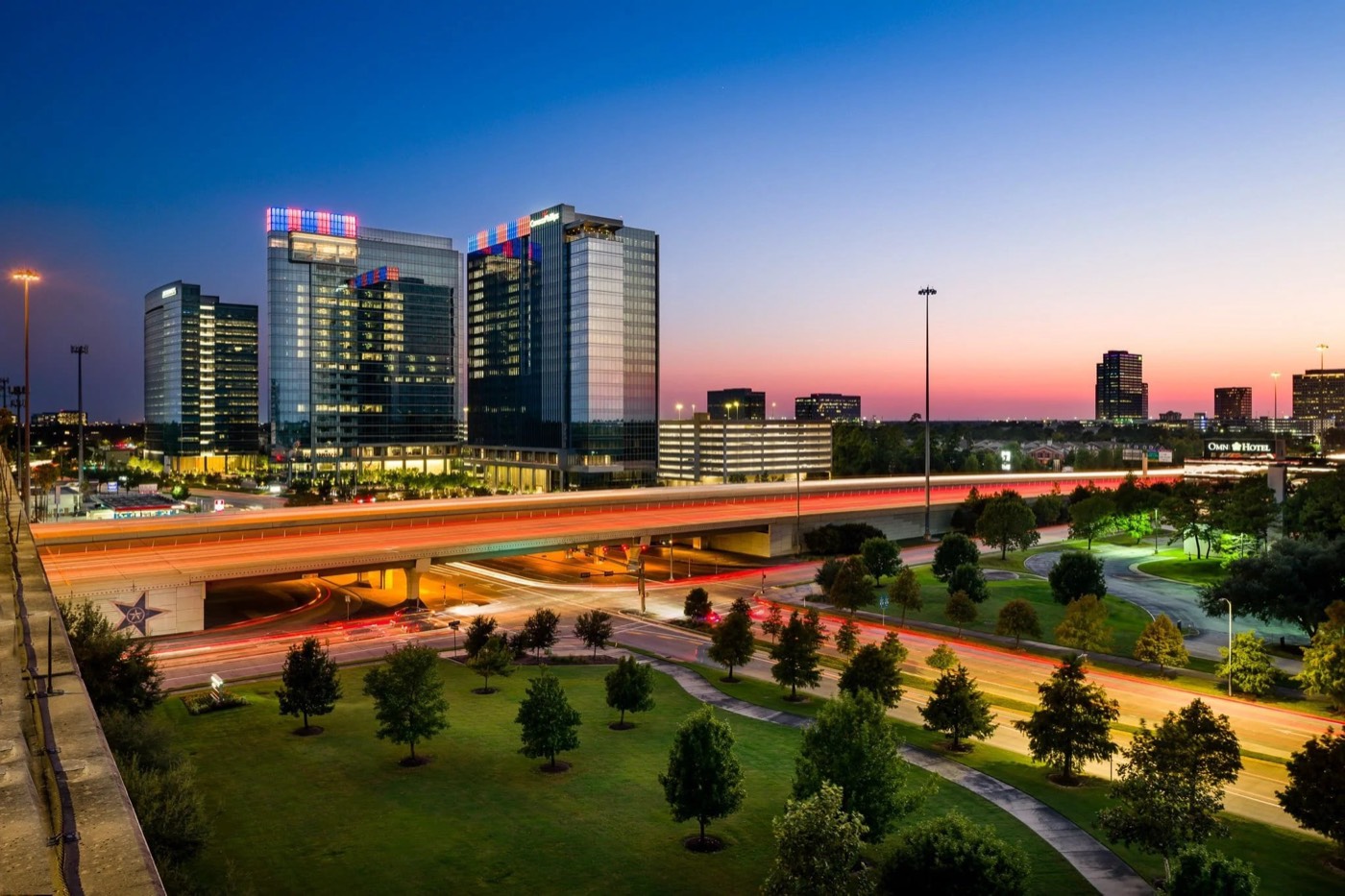
Houston Energy Corridor commercial buildings

Logistics on a dense, high-traffic campus

Getting men and materials onto an Uptown roof is an engineering problem of its own. Crane picks over Post Oak or the coordination and careful timing around heavy traffic, and on most towers the realistic path is hoisting and freight elevators rather than a street-level lift. Staging has to respect valet lanes, retail entrances, and pedestrian flow at one of the busiest commercial addresses in Texas. The district is also one of the most recognizable addresses in Houston, defined by the Williams Tower Water Wall and the upscale Uptown Park shopping center, and disruption here is highly visible, which raises the bar on how cleanly a job has to run. We plan all of that with building management up front, because on a property this dense an access plan that does not work is a project that does not happen.

What we hand back