
Skip to content

Commercial Roofing in Webster, TX

Schedule a Roof Review

  • The roofs behind Bay Area Boulevard's retail wall
  • Webster is small on the map and enormous in commercial activity. Bay Area Boulevard runs as one of the busiest retail corridors south of Houston, lined with big-box stores, restaurants, banks, car dealerships, and the cluster of hotels that fills up every time there is an event at NASA or a convention drawing engineers into the Clear Lake area. Almost none of that is industrial. The roofs we work on in Webster are the flat and low-slope assemblies sitting over occupied, customer-facing buildings where a leak is felt immediately, and that shapes everything about how we approach this city.
  • What makes Webster distinct from the suburbs around it is density and turnover. A square mile here holds an extraordinary number of commercial buildings, and tenants move constantly. A restaurant space changes hands, a retailer downsizes, a medical group takes over an old bank building, and each transition surfaces a roof that has been quietly ignored. We get a lot of our Webster calls during buildouts and lease changes, when an owner or a new tenant finally needs to know whether the roof over the space will make it through another five years or needs to be dealt with before the doors open.
  • The building types we work on in Webster
  • Webster's commercial roof stock is heavy on a few categories, and each carries its own headaches.
  • Multi-tenant retail centers and pad sites along Bay Area Boulevard and around Baybrook Mall, where long flat roof sections behind parapets pond over individual lease bays.
  • Hotels serving NASA, the Clear Lake business community, and Baybrook visitors, where a roof leak over guest rooms turns into refunds, bad reviews, and rooms taken out of service.
  • Restaurants packed along the corridor, loaded with rooftop kitchen exhaust, grease, and HVAC penetrations that make the curbs chronic leak points.
  • Medical and outpatient buildings tied to the area's healthcare growth, where water over exam rooms and equipment is a serious problem the moment it starts.

Roof planning guidance

Car dealerships and showrooms with wide low-slope roofs over sales floors and service bays. A hotel and a fast-casual restaurant do not have the same roof or the same stakes, and we scope each building around how it is used and what a failure would actually cost the operator. Hospitality, retail, and the cost of a leak that shows

Schedule a roof review
Commercial Roofing in Webster, TX
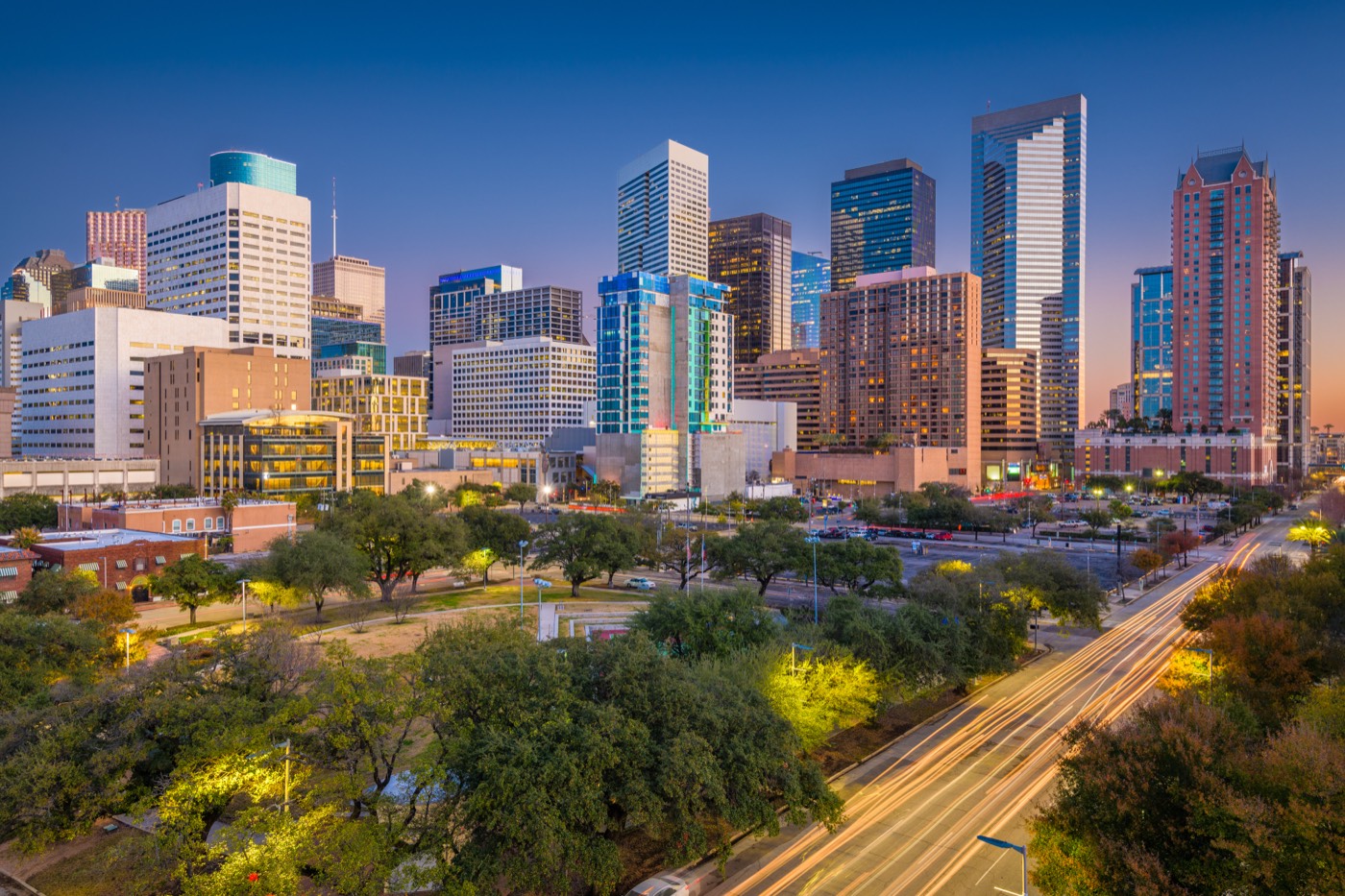
Downtown Houston commercial rooftops

The thing that defines roof work in Webster is that nearly every roof sits over revenue. A leak in a warehouse is a maintenance ticket. A leak in a Webster hotel room is a guest demanding a refund and a one-star review, and a leak in a retail bay is stained ceiling tile over a sales floor that customers walk past every hour. Because of that, we put real weight on finding the actual source of a leak fast rather than chasing the stain, and on doing the work with the least disruption to the guests, diners, patients, and shoppers underneath. On the hotels especially, a roof problem can pull rooms offline during a busy stretch, so getting it right the first time matters more than the building's size would suggest.

Rooftop equipment is the story on these buildings

Restaurants and retail in Webster carry a lot of rooftop equipment, and that is where most of the leaks we find actually originate. Kitchen exhaust fans, grease ducts, makeup air units, refrigeration, and packaged HVAC all penetrate the membrane, and every one of those curbs and pipe boots is a potential entry point. Grease that escapes a poorly maintained exhaust system attacks the membrane around it. When we walk a restaurant roof in Webster, we spend our time at the penetrations and curbs, because that is where the water is getting in far more often than the open field of the roof.

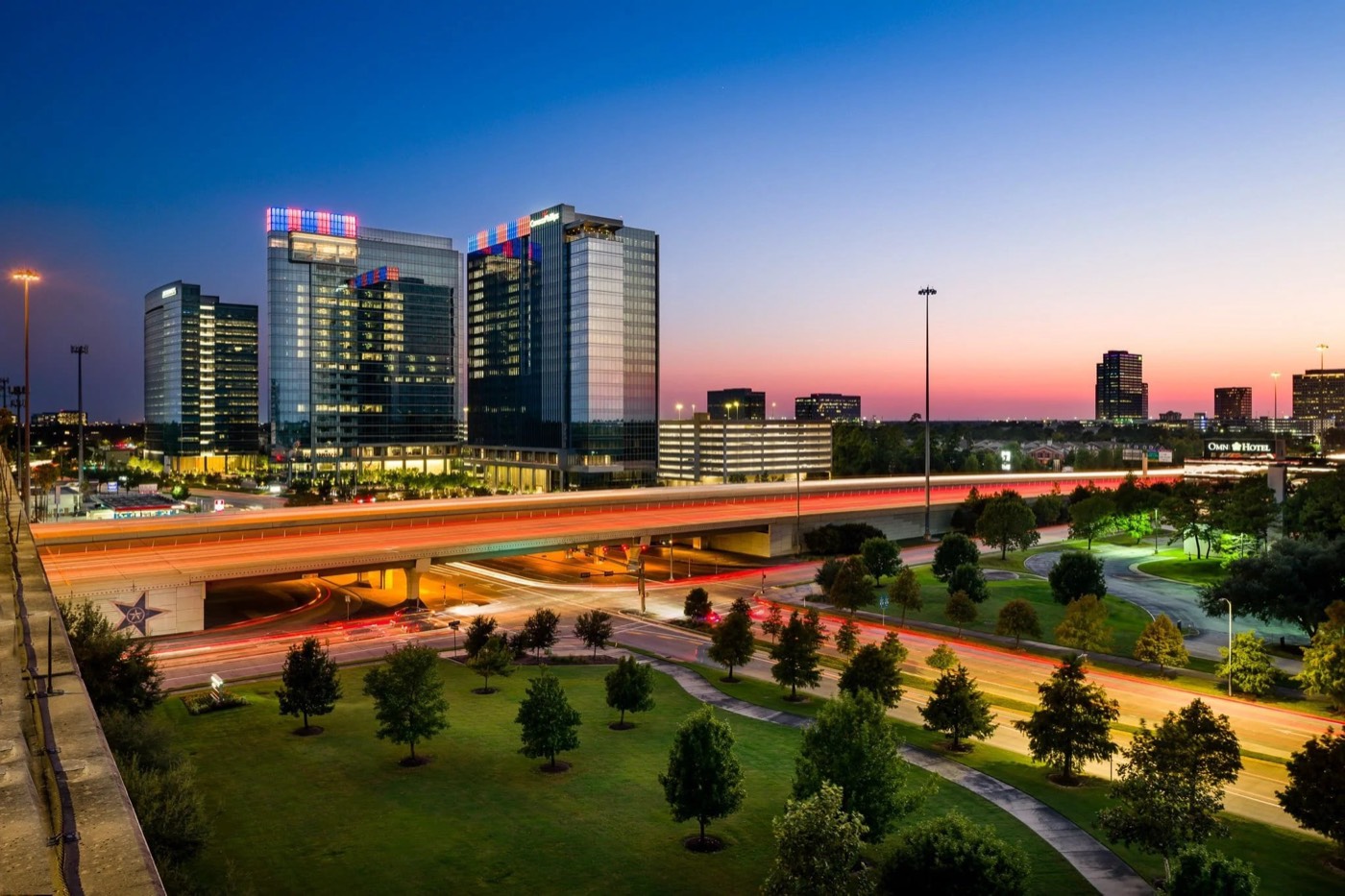
Houston Energy Corridor commercial buildings

The Gulf Coast climate this close to the bay

Webster sits just inland of Clear Lake and Galveston Bay, close enough to the coast that the weather is hard on a flat roof. A few forces drive the failures we see.

Hurricanes and wind. This far south in the metro, hurricane season is a real and recurring threat. Proximity to the bay and the open Gulf means wind uplift matters on every commercial roof, and the wide, exposed roofs on Webster's big-box stores and hotels are exactly the kind of broad surface that wind tries to peel. Edge metal, fastening, and parapet detailing are what keep a membrane down when a storm comes through, and they are the first things we check on a building this exposed.

Roof planning notes

Roof Scope Notes

Talk with a Houston commercial roofing team

Heavy rain. When a tropical system or a stalled storm sits over the area, rainfall totals climb fast, and the flat terrain across this part of Harris County drains slowly. A flat commercial roof has to move that water off quickly, and when drainage falls behind, the ponding and leaks follow. On a corridor this built up, the runoff has to compete with everything else draining around it.

Heat and UV. Long Gulf Coast summers push membrane surface temperatures far above the air temperature for months at a stretch. UV degrades the membrane, dries asphalt-based systems, and stresses the adhesives and seams. Heat is the steady force aging every flat roof in Webster whether or not a storm ever arrives. Why drainage is the real issue on these roofs

What we offer Webster building owners

Many of the retail and hotel roofs we walk in Webster were built flat with drainage that was fine on paper and marginal in practice. Add settling, added rooftop equipment, and a few hard storms, and the low spots start holding water. Ponding is one of the most common problems we find here. It adds dead load, breaks down the membrane, and works at every seam until it finds a way through. When we inspect a roof in Webster, we map where the water actually goes, check whether the drains and scuppers are doing their job, and look hard at the chronic ponding areas, because the drainage is usually the real reason behind a leak that keeps coming back. Talk with a Houston commercial roofing team