
Skip to content

Commercial roofing for Houston airport terminals, concourses, hangars, and FBO facilities. Low-slope reroofing, repairs, and phased work that keeps operations running.

Schedule a Roof Review

  • Roofing for Houston Airport Terminals and Aviation Facilities
  • Terminal roofs cover some of the largest uninterrupted low-slope decks in the region, and they sit directly in the path of Gulf Coast weather. We work on passenger terminals, concourses, ticketing halls, baggage facilities, hangars, maintenance buildings, and FBO operations across the Houston area, from the Bush Intercontinental footprint on the north side to Hobby on the southeast side and the corporate and general-aviation fields scattered around the metro. The common thread is that these buildings cannot stop operating, so every roofing decision has to account for occupancy, aircraft movement, security zones, and the schedule pressure that comes with all three.
  • A terminal is not one roof. It is dozens of roof areas tied together by expansion joints, clerestory walls, skylight bands, and rooftop equipment screens, often built in different decades using different assemblies. Our first job on any aviation building is to map what is actually up there before we recommend anything.
  • Why Aviation Roofs Fail Faster Here
  • Three things drive most of the terminal roof problems we see in this market. First is the sheer scale of ponding. Acres of dead-flat deck shed water slowly, and Houston's rainfall totals, including the kind of volume Hurricane Harvey dumped in 2017, expose every low spot, every clogged drain, and every undersized scupper. Standing water bakes under the sun, accelerates membrane aging, and adds weight the deck was never meant to carry for days at a time.
  • Second is wind. Terminals are tall, exposed structures with long parapet runs, and they fall under the highest wind-design requirements on the Gulf Coast. Edge metal, coping, and membrane attachment at the perimeter take the brunt of hurricane-season uplift. A failure at the edge peels inward fast, which is why we treat perimeter detailing as the single most important part of any terminal reroof.
  • Third is rooftop traffic and equipment density. Terminal roofs carry enormous HVAC loads, jet-bridge controls, communications gear, and constant maintenance foot traffic. Every penetration is a potential leak, and every service call by another trade is a chance for membrane damage. We design walkway protection and durable flashing details specifically because these roofs never get left alone.
  • Systems We Install on Terminals and Hangars
  • The right assembly depends on deck type, slope, occupancy below, and how the building handles fire and wind ratings. We work across the major low-slope families:

Roof planning guidance

Reflective single-ply (TPO and PVC): White membranes knock down rooftop temperatures and cut cooling load over conditioned concourses and ticketing halls. PVC is our usual choice near maintenance buildings and ground-equipment areas where jet fuel, hydraulic fluid, and grease can attack other membranes. Modified bitumen and built-up systems: Multi-ply asphaltic assemblies remain a strong fit for high-traffic terminal roofs and areas with heavy equipment loading, where redundancy and puncture resistance matter more than reflectivity alone. Fluid-applied coatings: On sound existing roofs, silicone and acrylic coating systems restore a watertight, reflective surface and extend service life without a full tear-off, which is often the only realistic option over an occupied terminal.

Schedule a roof review
Airport & Terminal Roofing Contractors | Houston, TX
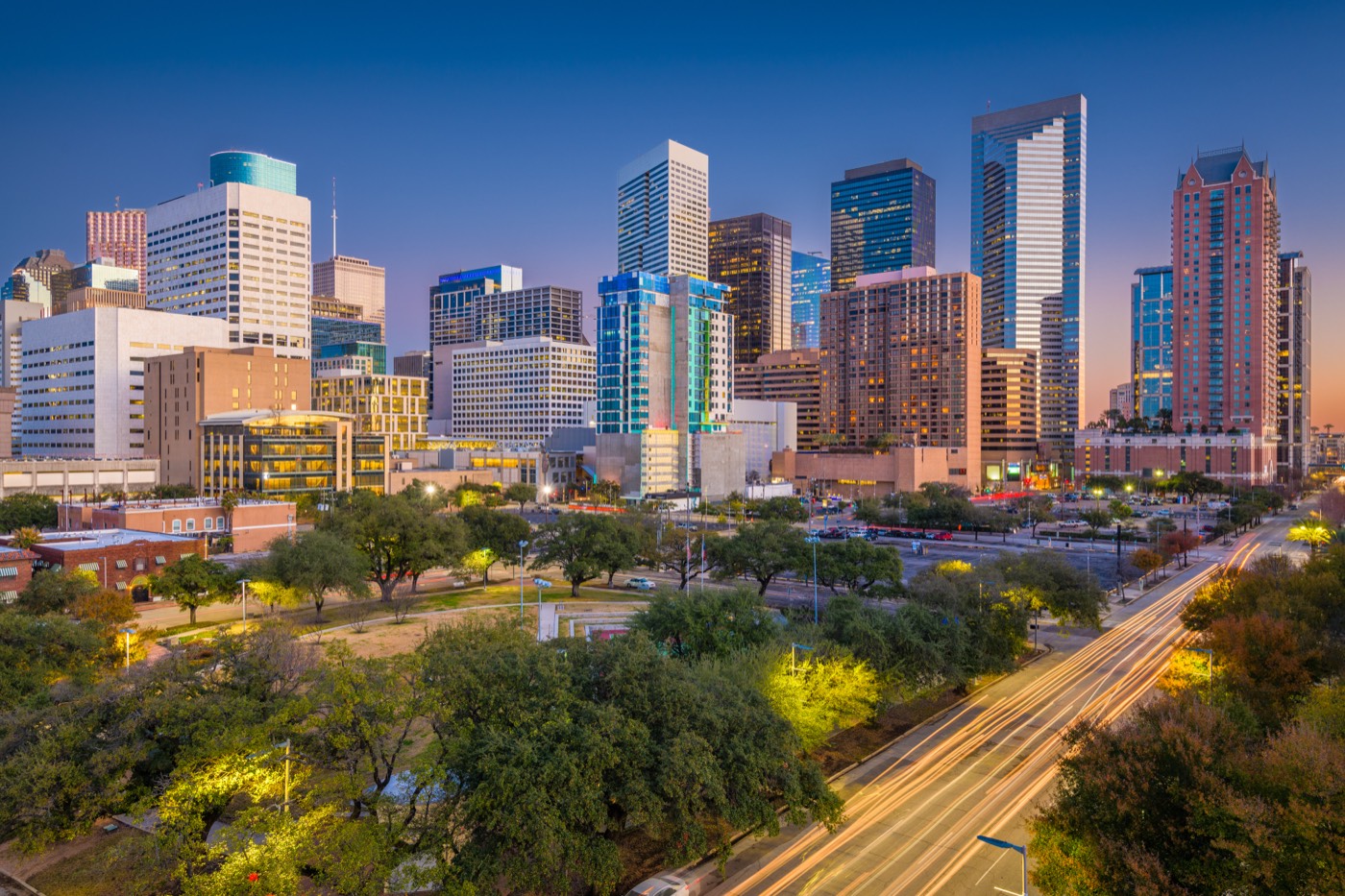
Downtown Houston commercial rooftops

Metal roof systems: Standing-seam and structural metal over hangars, canopies, and curved terminal forms, with attention to thermal movement across long panel runs.

Hangars and Maintenance Buildings

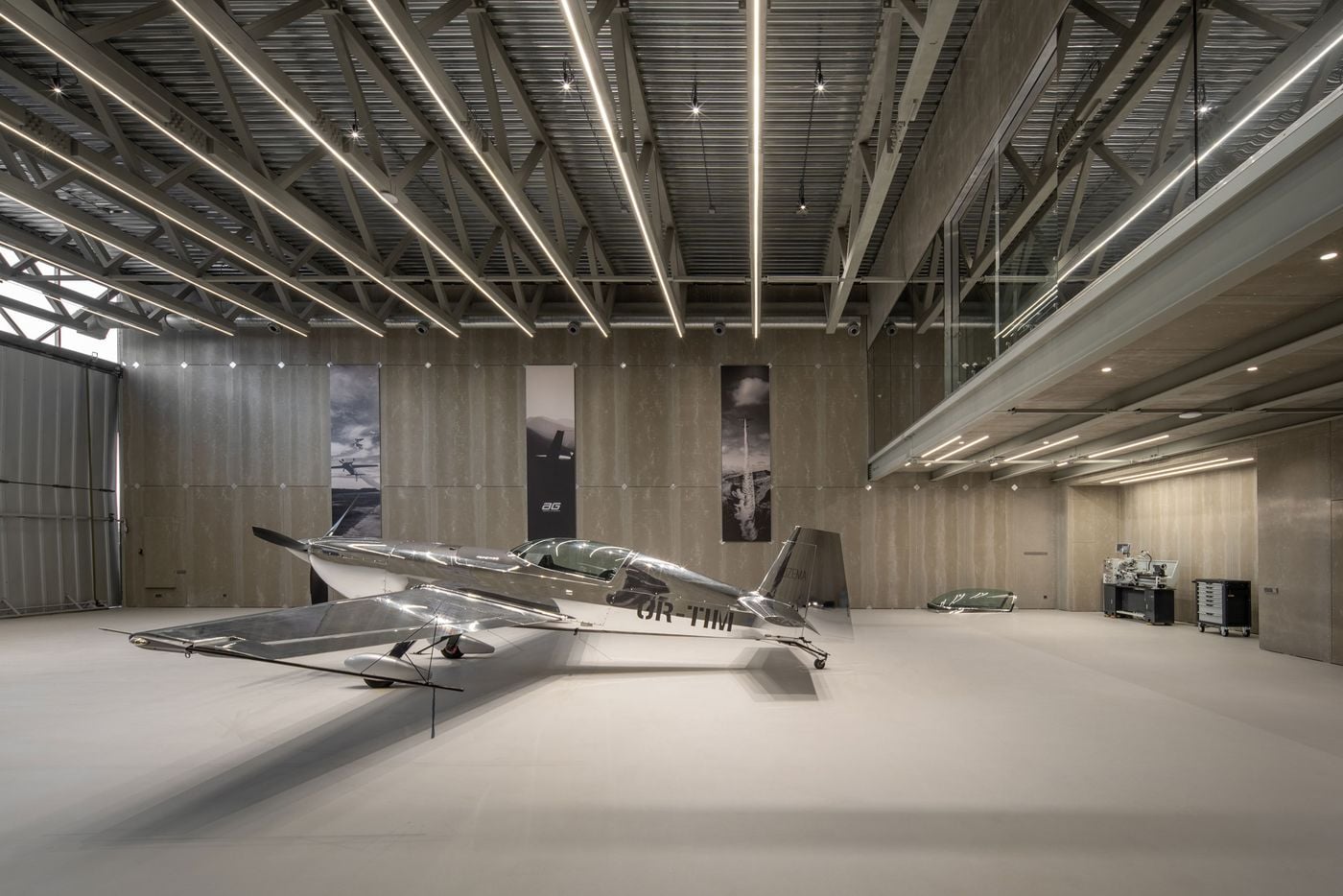
Hangar roofs are a different problem from passenger terminals. The spans are huge, the buildings are often unconditioned or partially conditioned, and the interiors hold high-value aircraft that cannot tolerate a leak. We address condensation control, large-format drainage, and the wind exposure that comes with tall, wide doors that act like sails during storms.

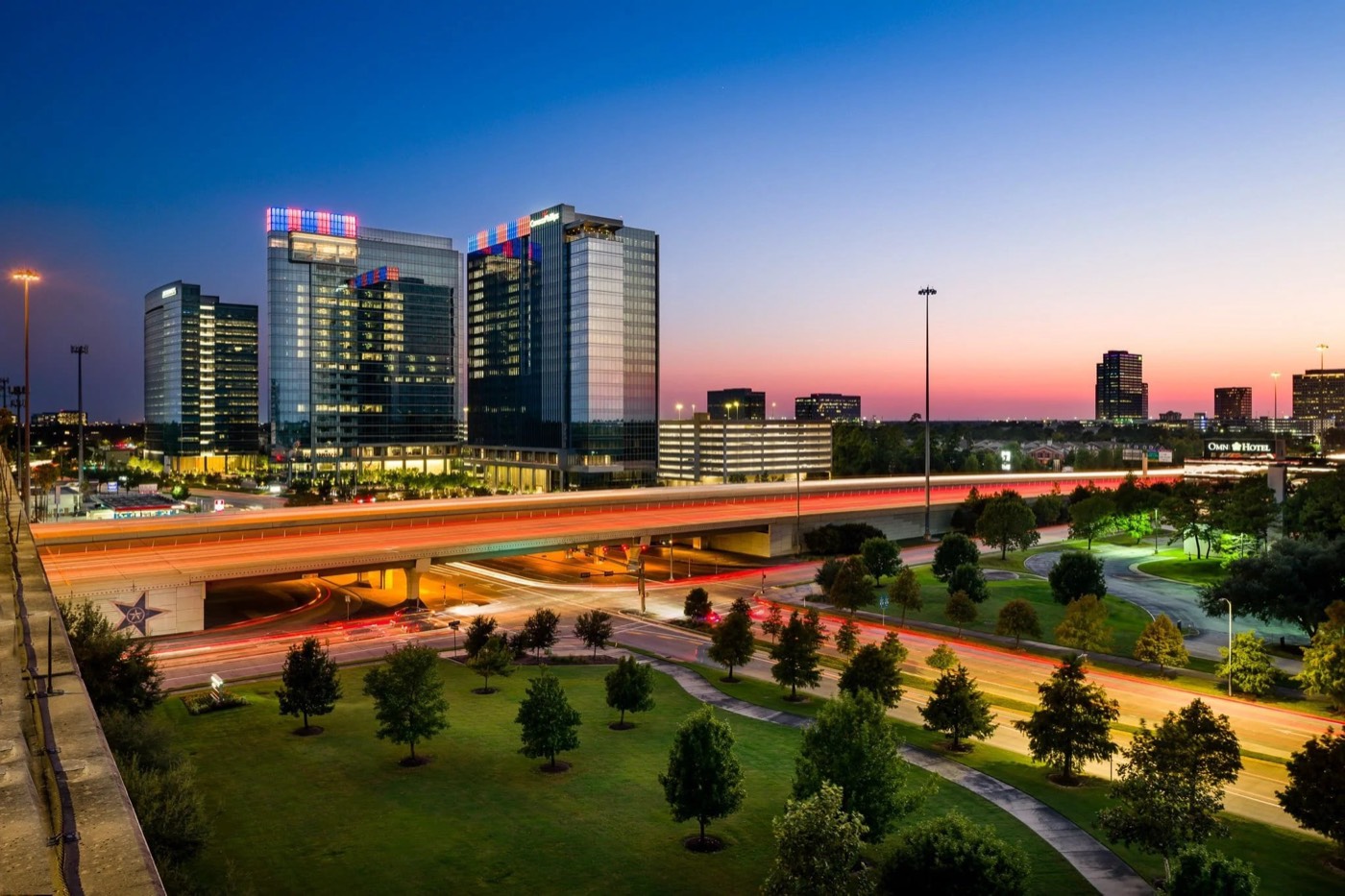
Houston Energy Corridor commercial buildings

Working Airside Without Disrupting Operations

The technical roof is only half the work. The other half is getting it done inside a live aviation environment. We plan terminal and airside projects around the realities of the property:

Phased work that keeps gates, concourses, and ticketing areas open while we move section by section, so we never close more roof than the building can have offline at once.

Roof planning notes

Roof Scope Notes

Talk with a Houston commercial roofing team

Crane and material staging plans that respect height restrictions, taxiway clearances, and active ramp areas.

Coordination with airport operations and security for badging, escorts, staging, and access through controlled zones. Tight tie-in and dry-in sequencing so open roof never gets caught by an afternoon Gulf storm that arrives with little warning.

Drainage and Storm Readiness

We treat drainage as a design problem, not an afterthought. On large terminal decks we evaluate drain placement, sump conditions, overflow capacity, and tapered insulation so water actually leaves the roof instead of sitting on it. Given how fast Harris County storms can drop several inches of rain, overflow protection is what stops a clogged primary drain from turning into a ceiling collapse over a crowded gate area. Talk with a Houston commercial roofing team