

Skip to content

Roofing for Houston distribution centers and logistics warehouses. Large-format TPO, coatings, reroofs and storm repair built for Gulf Coast weather and tight dock schedules.

Schedule a Roof Review

  • Roofing built for Houston's distribution and logistics footprint
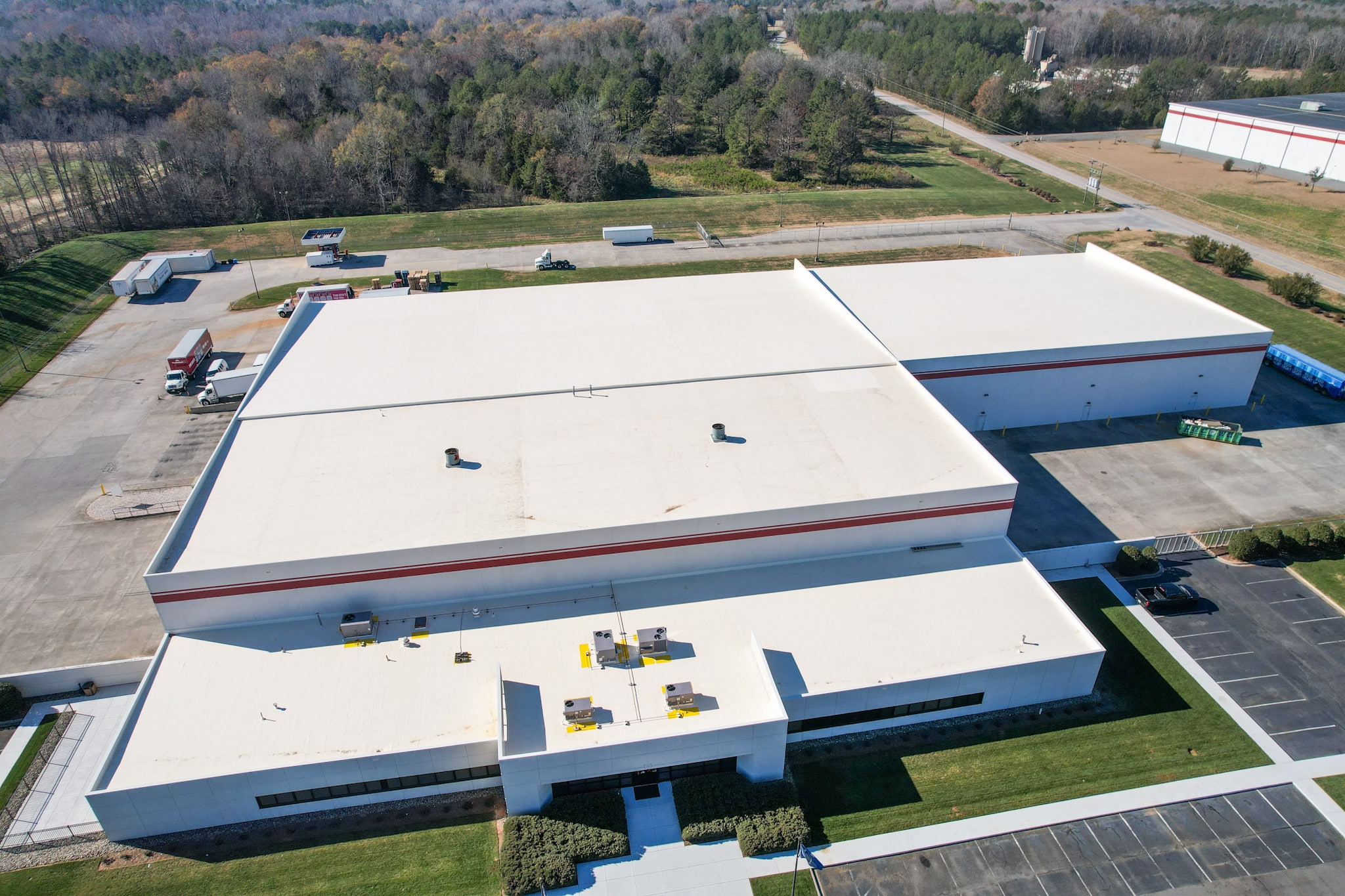
  • Distribution centers are some of the largest single roof areas we work on anywhere in Greater Houston. A regional crossdock or e-commerce fulfillment building can carry several hundred thousand square feet of low-slope membrane over racking, conveyors, and inventory that never stops moving. The submarkets feeding the Port of Houston and the I-10, I-45, and Grand Parkway corridors keep adding this kind of stock, and the roofs on those buildings have a hard job: shed heavy Gulf rain fast, reflect punishing summer heat, and stay watertight through hurricane season without ever shutting the docks down.
  • We approach a distribution center roof as an operating asset, not just a lid. Every decision we make ties back to two questions: will it keep product dry through a Harris County downpour, and can we install or repair it without parking the trucks. Those answers shape the membrane, the attachment method, the staging plan, and the schedule.
  • What makes these roofs different
  • Scale changes the engineering. On a roof this size, drainage and movement are the issues that decide whether the system lasts.
  • Drainage under Gulf Coast rain. Houston routinely sees rainfall rates that overwhelm undersized drainage. On a wide, nearly flat roof, water has a long way to travel to reach a drain, and any low spot becomes a pond. We map the existing slope, check internal drains and overflow scuppers against the building's roof area, and add tapered insulation or crickets where water is sitting. Standing water accelerates membrane aging and adds dead load the deck was never meant to carry.
  • Thermal movement. A roof field that runs hundreds of feet expands and contracts measurably between a January cold front and an August afternoon. We detail expansion joints, perimeter terminations, and penetration flashings to absorb that movement instead of fighting it, which is where large roofs most often start to leak.
  • Heat and UV load. The sheer horizontal area means enormous solar gain. A reflective white membrane keeps the roof surface and the racked product zone cooler and reduces the cooling load on the dock and office areas.
  • Rooftop traffic and equipment. Large RTUs, exhaust fans, and frequent service trips mean the membrane takes abuse. We add walkway pads on service routes and reinforce high-traffic areas.

Membrane systems we install on distribution centers

We match the system to the building's roof deck, the height of the racking below, and how long the owner plans to hold the asset. Mechanically attached and induction-welded TPO

Schedule a roof review
Distribution Center Roofing in Houston, TX | Commercial Roofing Contractors of Houston
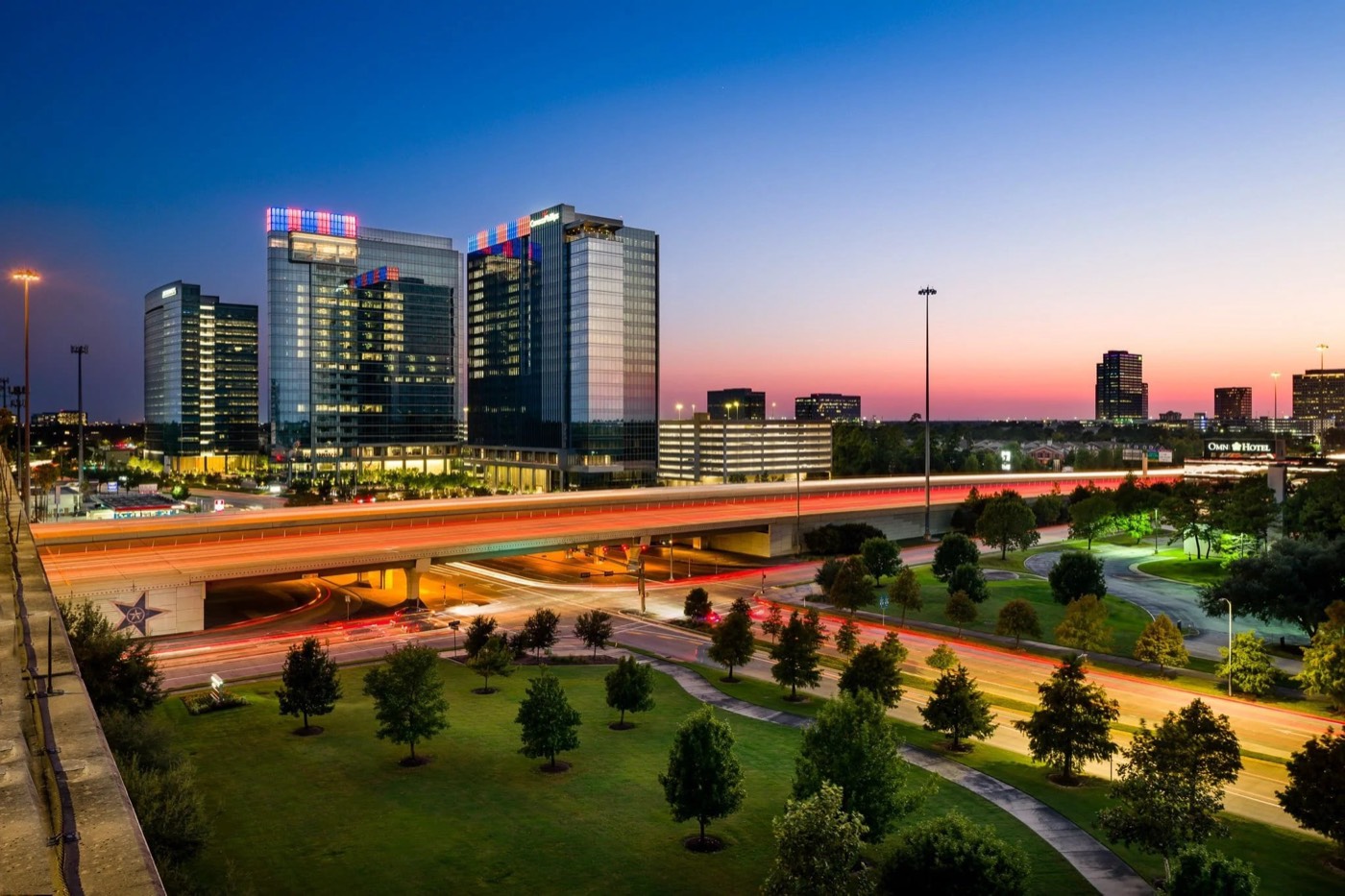
Downtown Houston commercial rooftops

For most large distribution roofs over steel deck, a reflective white TPO is our default. It covers wide areas economically, the hot-air welded seams give a monolithic watertight surface, and the white surface pushes back the heat that a roof this size collects. On taller buildings and exposed Gulf Coast sites we move to induction-welded or enhanced attachment patterns to handle wind uplift.

Fully adhered systems on parapet-heavy buildings

Where a building has tall parapets, heavy rooftop equipment, or a need to minimize membrane flutter, a fully adhered TPO or PVC gives a tighter, quieter system. PVC is the choice where kitchen or industrial exhaust puts grease or chemicals on the roof near loading and staging areas.

Houston Energy Corridor commercial buildings

Roof coatings for existing membranes

Many Houston distribution buildings already carry a serviceable but weathered roof. Rather than tear off acres of membrane, a silicone or acrylic restoration coating can re-waterproof the field, seal seams and penetrations, and add a bright reflective surface. Silicone in particular handles the ponding and humidity that come with this climate. Coating restores the roof with minimal disruption to operations below and resets the maintenance clock.

Reroofing without stopping the docks

Roof planning notes

Roof Scope Notes

Talk with a Houston commercial roofing team

We stage materials and set up loading away from active dock doors and truck courts so yard traffic keeps flowing.

We break the roof into phased zones so only a controlled section is open at any time, and that section is always dried in before crews leave for the day. We coordinate around the racking and product directly below open work and protect anything that can't be cleared.

Storm response for high-value inventory

We schedule the most weather-sensitive steps around the forecast, because an afternoon thunderstorm can roll in fast on the Gulf Coast. Talk with a Houston commercial roofing team