

Skip to content

Commercial roofing for Houston food processing plants. Grease-resistant PVC and sanitary detailing that protect production through Gulf Coast storm season.

Schedule a Roof Review

  • Roofing for Houston Food Processing Plants
  • A roof over a food production line carries responsibilities a warehouse roof never does. A leak is not just water damage, it is a contamination risk over an area where product is exposed, a threat to a sanitation audit, and a reason a line might have to shut down. We roof Houston food processing facilities with that standard in mind, treating the membrane, the flashings, and the rooftop equipment as part of the building's food-safety envelope rather than as a separate trade.
  • Houston's food sector is broad. There are bakeries and tortilla plants, beverage and bottling operations, seafood and protein processors tied to the Gulf, and cold storage and distribution facilities feeding the region's grocery and restaurant supply chain. Many occupy large low-slope buildings, and a lot of those roofs carry the kind of dense, grease-laden, equipment-heavy rooftop that comes with continuous production. We work across that range and design each roof around what the plant actually makes.
  • Grease, Exhaust, and Chemical Exposure
  • The single biggest difference between a food plant roof and an ordinary commercial roof is what lands on it. Cooking and frying operations vent grease-laden exhaust, and over time that residue coats the membrane around the exhaust fans and downwind across the field. Standard single-ply membranes can soften and degrade when grease sits on them. That is the main reason we so often specify PVC on food processing roofs, because PVC resists grease, animal fats, and many of the chemical exposures these facilities produce far better than other single-ply options.
  • Wash-down chemicals, sanitizers, and the byproducts of certain processes can also reach the roof through exhaust or simply through being a harsh environment. We match the membrane chemistry to the actual exposure at each facility instead of defaulting to whatever is cheapest, because a roof that dissolves under the plant's own exhaust is a false economy.
  • Grease- and chemical-resistant PVC single-ply for cooking and frying operations
  • Reflective TPO where exposure is milder and energy performance is the priority
  • Spray polyurethane foam for seamless coverage across equipment-dense roofs

Roof planning guidance

Silicone and acrylic restoration coatings to renew a sound roof with minimal downtime Sanitary Detailing and Penetration Control A food plant roof is a maze of penetrations: exhaust fans, makeup air, refrigeration and condensing units, process piping, sometimes overhead utilities feeding the line. Each penetration is a potential entry point for water and a potential harbor for pests and debris if it is not detailed cleanly. We flash these to shed water decisively and to avoid creating ledges and gaps where contamination or vermin can collect, because the auditors who walk these facilities look at the roof transitions as closely as they look at the floor.

Schedule a roof review
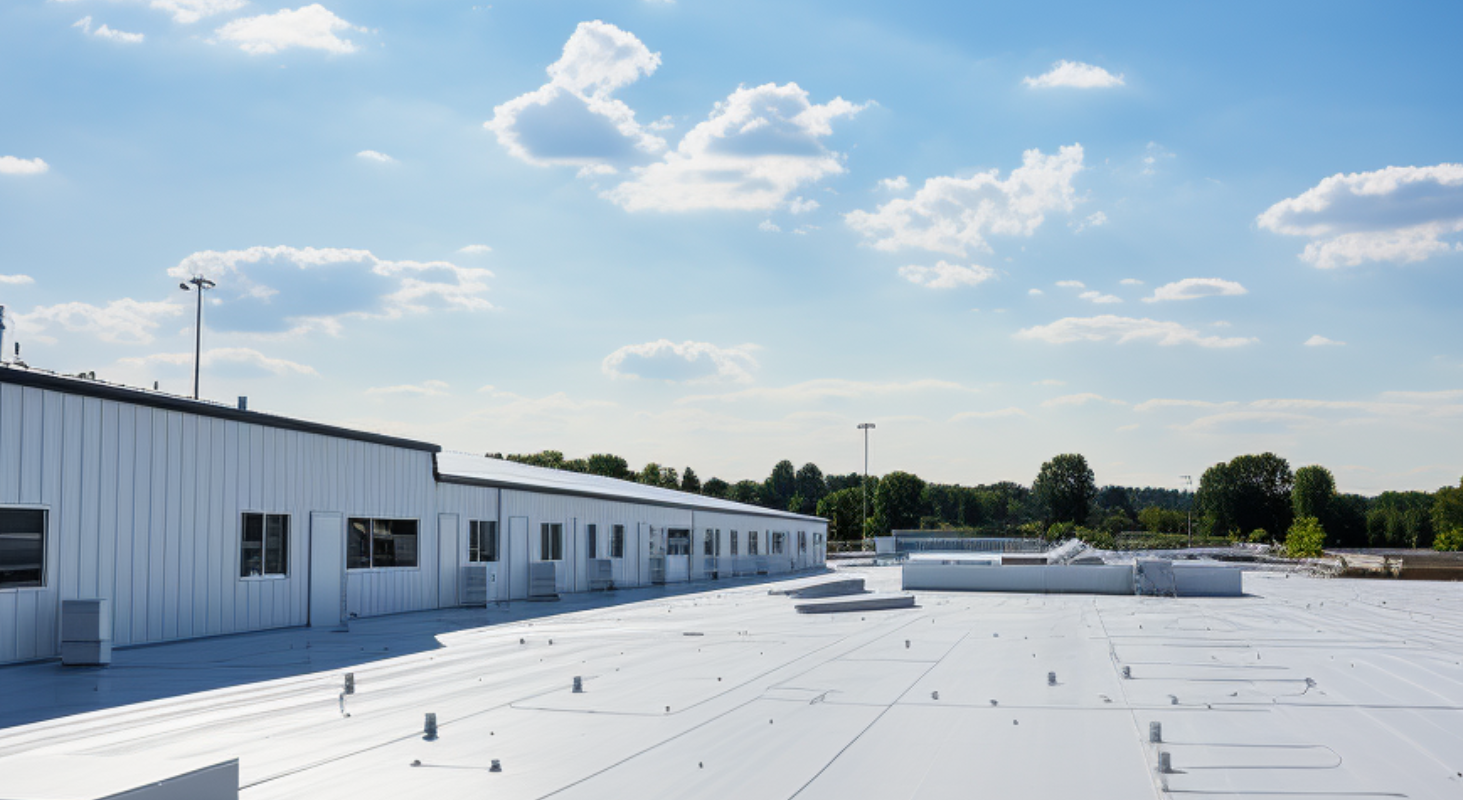
Food Processing Facility Roofing in Houston, TX | Commercial Roofing
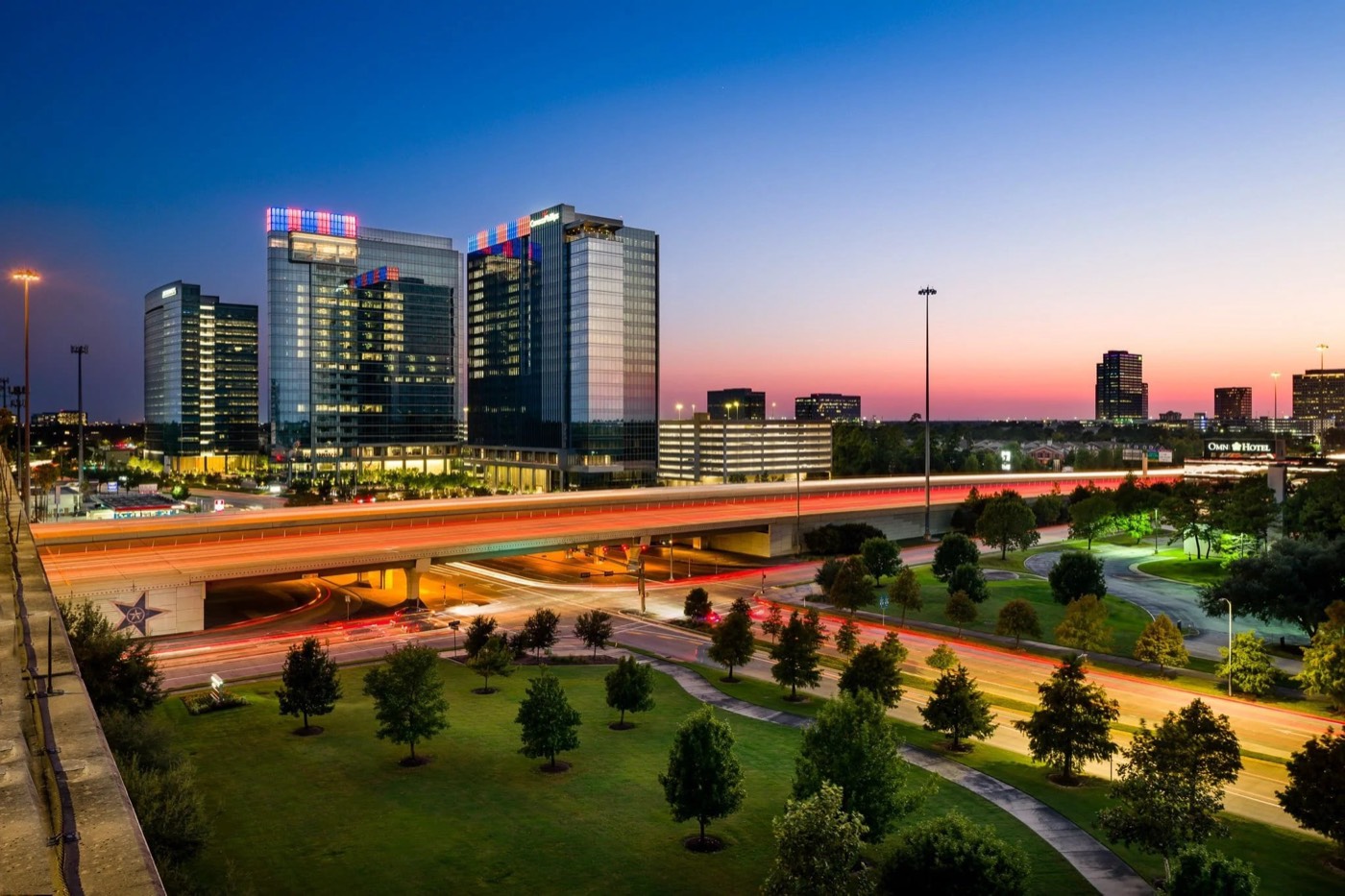
Downtown Houston commercial rooftops

Standing water gets extra scrutiny on a food facility, since ponding breeds the kind of biological growth a sanitation program cannot tolerate. We design the roof to drain, correct existing ponding with tapered insulation, and keep the surface moving water off rather than holding it in pools that turn green by late summer.

Cold Storage and Condensation

Refrigerated and frozen production space introduces a vapor-drive problem most buildings never face. The temperature difference between a freezer interior and a Houston summer rooftop is enormous, and without the right insulation and vapor control, that gradient drives moisture into the roof assembly where it condenses, soaks the insulation, and eventually shows up as a leak that is really condensation. We build cold storage roof assemblies with the insulation thickness and vapor management these temperature swings demand, so the roof does not quietly fill with water from the inside.

Houston Energy Corridor commercial buildings

Heat, Reflectivity, and Refrigeration Cost

For a facility running refrigeration or holding product at temperature, a dark roof baking in the Houston sun is a direct cost. The heat it absorbs pushes straight into the building and onto the cooling and refrigeration systems. A bright reflective membrane, whether a white PVC, a white TPO, or a silicone coating, sends the solar load back before it loads the equipment, which on a refrigerated plant in the Gulf Coast climate translates into real savings across a long cooling season.

Storms and the Gulf Coast Reality

Roof planning notes

Roof Scope Notes

Talk with a Houston commercial roofing team

Working Around Continuous Production

We fasten and detail these roofs for the wind exposure they face, reinforcing perimeters and corners where uplift concentrates and securing edge metal that has to stay attached through a storm. On the drainage side, we add or enlarge drains and scuppers where capacity falls short and verify the secondary overflow works, so a heavy rain runs off the roof instead of finding its way over a production area. Many food plants run multiple shifts, and some never stop. Tearing off and replacing a roof over a live production line takes careful sequencing so that no work happens directly over exposed product and the building stays watertight at the end of every shift. We coordinate closely with plant operations and sanitation staff, control debris so nothing migrates into the production environment, and phase the roof so one area is finished and sealed before the next is opened. For roofs that cannot tolerate the disruption of a tear-off, a foam overlay or a silicone restoration can renew the roof with far less interference to the line.

Maintenance and Audit Readiness

A food facility roof needs ongoing attention more than most. Grease accumulation, heavy rooftop traffic from equipment service, and the constant exposure to the plant's own byproducts all wear a roof down between major projects. We set up scheduled inspections, clean and clear drains before hurricane season, and re-seal the penetrations and curbs that take the most punishment, documenting conditions so the roof supports the facility's audit and sanitation record rather than undermining it. For a plant manager, that documentation and steady upkeep is part of keeping the whole operation in compliance. Talk with a Houston commercial roofing team