

Skip to content

Commercial roofing for industrial flex space across Houston and Harris County. Reroofs, recoats, and repairs for multi-tenant warehouse-office buildings.

Schedule a Roof Review

  • Roofing built for Houston flex space buildings
  • Flex space is its own animal. A single low-slope roof can sit over a tilt-wall shell that holds a finished office suite up front, light assembly in the middle, and roll-up dock doors at the back, with two or three separate tenants underneath each paying rent and each expecting a dry ceiling. We roof these buildings the way they actually get used, which means we plan around occupied suites, dock activity, and the reality that a leak over one tenant is a leak over someone's lease.
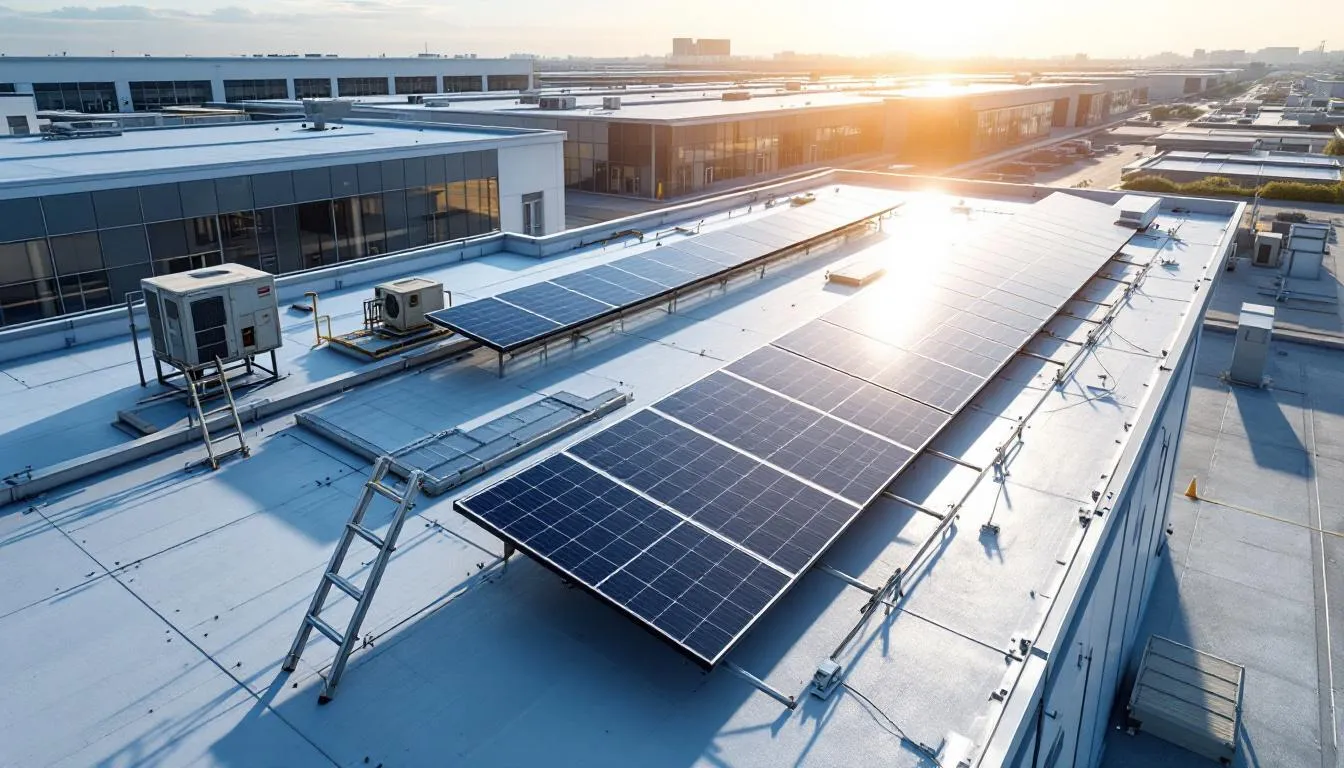
  • You see this product everywhere across the industrial submarkets ringing the city. The flex corridors along Beltway 8, the older multi-tenant parks off US- 59, and the newer shallow-bay developments out toward Katy and the northwest all share the same roofing problem: huge expanses of flat membrane carrying rooftop units, conduit, and gas lines, all of it baking under Gulf Coast sun and then getting hammered by spring hail and tropical rain. We work on these roofs across Harris County and the surrounding counties, and the pattern repeats.
  • What makes a flex roof different to work on
  • The roof field itself is usually straightforward single-ply, but the complications live at the details. Flex buildings tend to be packed with penetrations because every tenant build-out adds another HVAC curb, another exhaust fan, another refrigerant line set punched through the deck. Over years of turnover, those penetrations multiply and nobody owns the history. When we survey a flex roof, we map every one of them, because that is where the water is getting in long before the membrane field fails.
  • The other difference is ownership structure. Flex space is often held by an investor or managed by a property management firm, not occupied by the company that signs the roofing contract. That changes how we communicate. We document conditions in writing, we tie repairs to specific roof areas and tenant suites, and we give the decision-maker enough information to weigh repair against replacement without having to climb the ladder themselves.
  • Reroofing flex space without shutting down tenants
  • You cannot empty a multi-tenant flex building to do a roof. Tenants are shipping product, running showrooms, and answering phones underneath you the entire time. We sequence flex reroofs so that work moves across the building in controlled sections, and we keep tear-off tight to what we can dry in the same day. The order of work matters here:
  • We confirm which suites sit under each roof section so we can warn the right tenants before we are overhead.

Roof planning guidance

We protect dock areas and entrances so truck traffic and deliveries keep moving while we stage materials above. We tear off and dry in section by section rather than opening the whole field, so a surprise afternoon thunderstorm never finds an exposed deck. We coordinate any rooftop unit lifts or curb work with the tenant's HVAC service so cooling outages are short and scheduled.

Schedule a roof review
Industrial Flex Space Roofing Houston, TX | Commercial Roofing Contractor
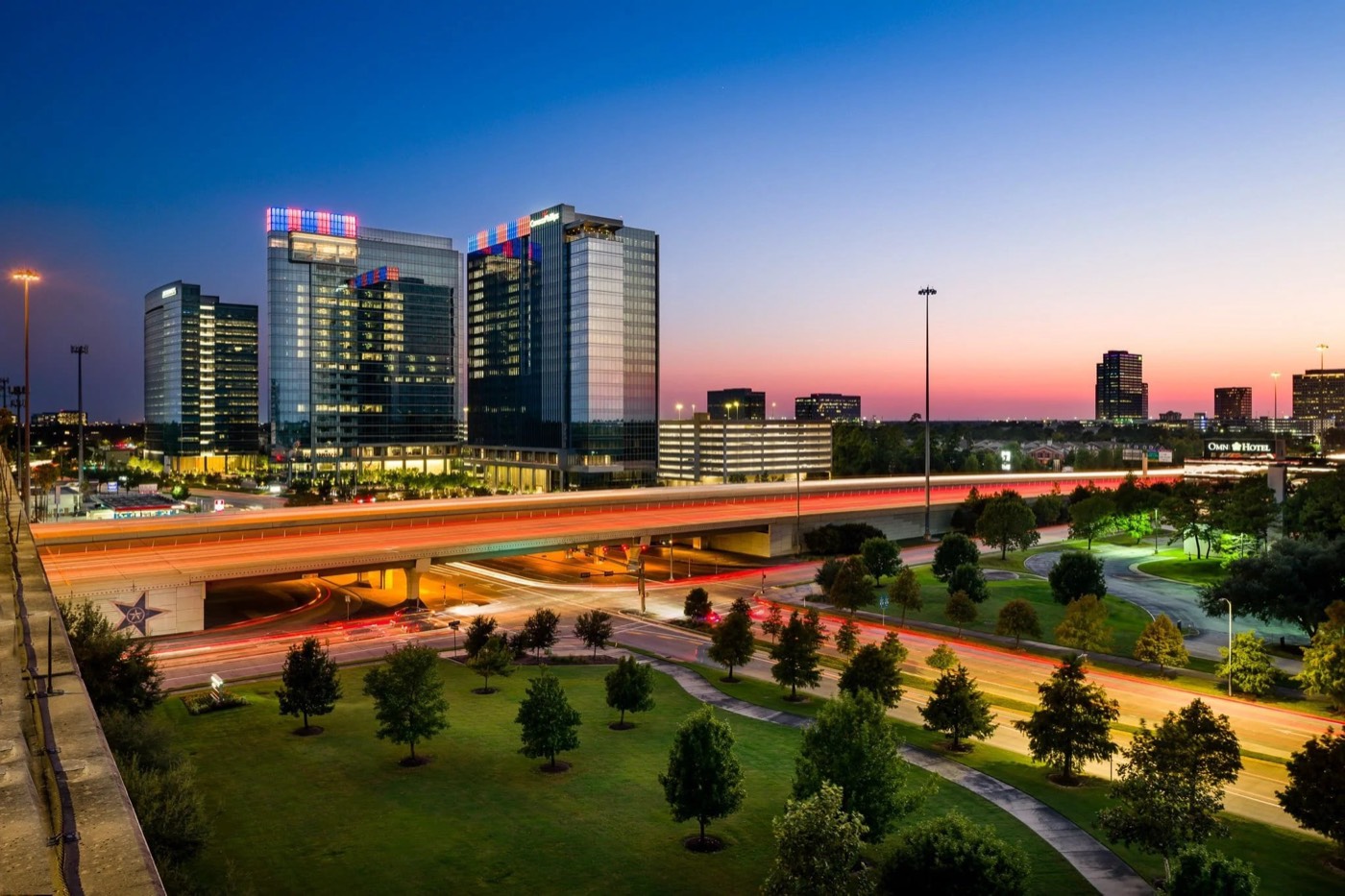
Downtown Houston commercial rooftops

For owners who want to spread cost across budget years, we also phase flex reroofs by building or by roof section, replacing the worst areas first and putting the rest on a documented schedule. That keeps a property leasable while the capital plan catches up.

Membrane choices for flex roofs in this climate

Most flex buildings here are good candidates for a reflective single-ply system. White TPO and PVC membranes throw off a large share of the solar load instead of soaking it in, which matters when the roof is running over conditioned office suites that the tenant is paying to cool through a long Houston summer. On buildings where the existing membrane is structurally sound but weathered, a fluid-applied silicone or acrylic coating can restore reflectivity and seal aging seams without a full tear-off, which is often the right move on an investor-held property where the math has to work.

Houston Energy Corridor commercial buildings

We size the system to the building. A shallow-bay shell with a young roof and heavy ponding gets a different recommendation than a twenty-year-old park with brittle laps and failed pitch pans. We are not interested in selling the same roof to every building.

Drainage, ponding, and Houston rain

Flat flex roofs and standing water are a constant fight in this region. We get sustained heavy rainfall, and when a tropical system parks over the area the way Harvey did in 2017, a roof's drainage gets tested at the absolute limit. Flex roofs are especially prone to ponding because rooftop unit curbs, walkway pads, and added penetrations interrupt the natural slope and create dams. Long-standing water accelerates membrane breakdown, overloads the deck, and turns small seam defects into active leaks.

Roof planning notes

Roof Scope Notes

Talk with a Houston commercial roofing team

We look for ponding patterns that point to deflected decking or crushed insulation under heavy units.

We check that internal drains and overflow scuppers are clear, correctly sized, and actually lower than the surrounding field. We add tapered insulation crickets behind large curbs and between drains where water is sitting after storms.

Storm season and hail on flex roofs

We make sure overflow provisions exist, because in a real Houston downpour the primary drains can simply be overwhelmed. Talk with a Houston commercial roofing team