

Skip to content

Industrial roofing for Houston manufacturing plants. Reroofs and repairs over active production, with attention to heat, exhaust, and process loads.

Schedule a Roof Review

  • Roofing over a running production line
  • A manufacturing plant roof has to be serviced without stopping the thing it covers. Production runs on schedules and quotas, equipment below cannot tolerate water or debris, and shutting a line down to fix a roof costs far more than the roof itself. We approach plant roofing as work that happens around live operations, which shapes every decision from how we stage materials to which section we open first.
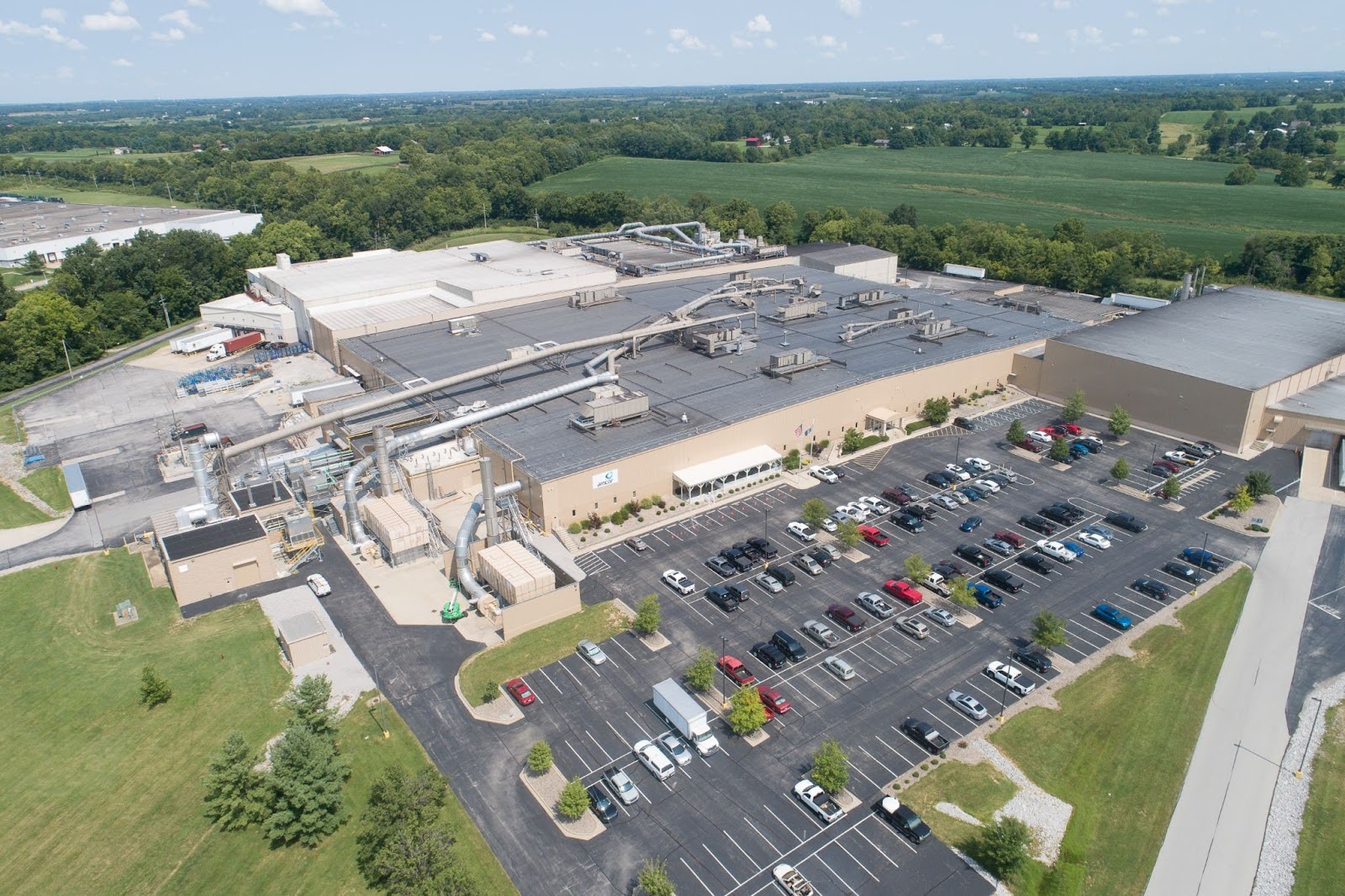
  • The Houston region runs on industrial production. Beyond the well-known petrochemical complex along the Ship Channel, the metro is dense with fabrication shops, food and beverage plants, building-products manufacturers, and heavy-equipment facilities spread through the industrial corridors off Beltway 8, US-290, and the east side toward the Port. These are big low-slope roofs over expensive process equipment, and they sit in a climate that punishes flat roofs with heat, hail, and tropical rain. We work on these plants with their operations, not just their square footage, in front of us.
  • What a process roof has to deal with
  • Manufacturing roofs carry loads that ordinary commercial roofs never see. Process exhaust, heat stacks, and grease-laden fumes attack membranes and flashings from above. Vibration from heavy equipment can work fasteners loose and fatigue details over time. Rooftop mechanical, dust collectors, and process piping crowd the roof field and multiply the penetrations where leaks start. And a leak here is not just a stained ceiling tile, it is water over machinery, raw stock, or finished product that the plant cannot afford to lose.
  • When we survey a plant roof, we read it as a system under stress. We look at how exhaust and chemical fumes have aged the membrane downwind of stacks, we inspect every curb and penetration around process equipment, and we check whether ponding or load is sitting over critical areas of the production floor. The fix has to account for what the roof is actually enduring, not just its age.
  • Reroofing without shutting down production
  • You cannot empty a working plant to reroof it, and most operators cannot stop the line for a roof. We sequence plant reroofs so work moves across the building in controlled sections while production continues underneath. The discipline is in the details:
  • We coordinate the work area with plant management so we are never directly over a critical process during a tear-off, or we schedule that section for a planned maintenance window or shift gap.

Roof planning guidance

We tear off and dry in only what we can close the same day, so an exposed deck is never gambling against a Houston afternoon storm over live equipment. We contain debris and fumes so nothing falls into product, intakes, or open process areas below. We protect and work around rooftop mechanical, dust collection, and process piping rather than forcing the plant to shut systems down.

Schedule a roof review
Manufacturing Plant Roofing Houston, TX | Industrial Roofing Contractor
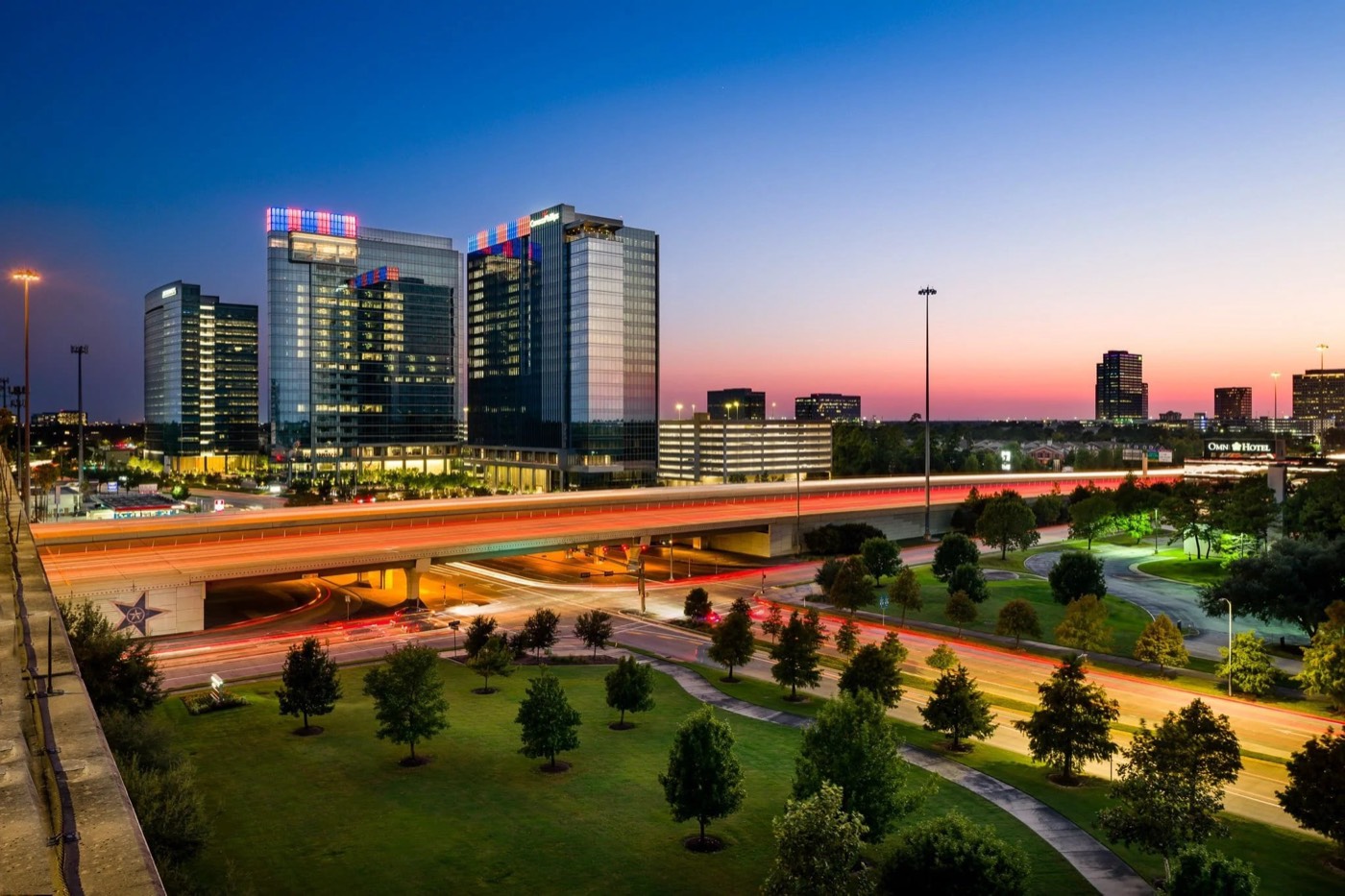
Downtown Houston commercial rooftops

For large facilities and capital-budget realities, we also phase plant reroofs by building or roof section, replacing the worst-performing areas first and putting the rest on a documented schedule so the plant stays productive while the capital plan catches up. We treat any required line interruption as a scarce resource and plan our work to need as little of it as possible.

Roof systems for industrial duty

Plant roofs need systems chosen for what is happening above and below them, not a default product. Reflective single-ply membranes like TPO and PVC throw off a large share of the solar heat load, which matters over conditioned production and over heat-sensitive processes during a long Houston summer. Where a plant generates grease-laden or chemically aggressive exhaust, PVC's chemical resistance often makes it the better membrane downwind of those discharges. On structurally sound but weathered roofs, a fluid-applied silicone or acrylic coating can restore reflectivity and reseal a field without the disruption of a full tear-off over an active plant, which is frequently the least disruptive path when production cannot be interrupted.

Houston Energy Corridor commercial buildings

We match the system to the deck, the process loads, and the exhaust environment. A clean fabrication shop and a high-heat plant with multiple stacks do not get the same recommendation.

Heat, drainage, and Houston rain

Two forces work on every flat plant roof here: relentless solar heat and heavy rain. The heat is constant for much of the year, accelerating membrane aging and adding cooling cost over conditioned space, which is the case for reflective systems. The rain is the bigger acute threat. This region gets sustained downpours, and a stalled tropical system can dump rainfall at the extreme levels Harvey reached in 2017. On a plant roof, standing water is both a leak risk over machinery and a structural load the deck has to carry.

Roof planning notes

Drainage gets primary attention when we evaluate a plant roof:

Talk with a Houston commercial roofing team

We trace ponding patterns that point to deflected decking under heavy rooftop equipment or crushed insulation.

We confirm internal drains and overflow scuppers are clear, correctly sized, and lower than the surrounding field. We add tapered crickets around large curps and between drains where water sits after storms, prioritizing areas over critical production.

Hail and hurricane wind on plant roofs

We verify overflow provisions exist, because in a true Houston deluge the primary drains can be overwhelmed and the roof needs a relief path. Talk with a Houston commercial roofing team