
On-Campus, Galleria, and Suburban MOBs
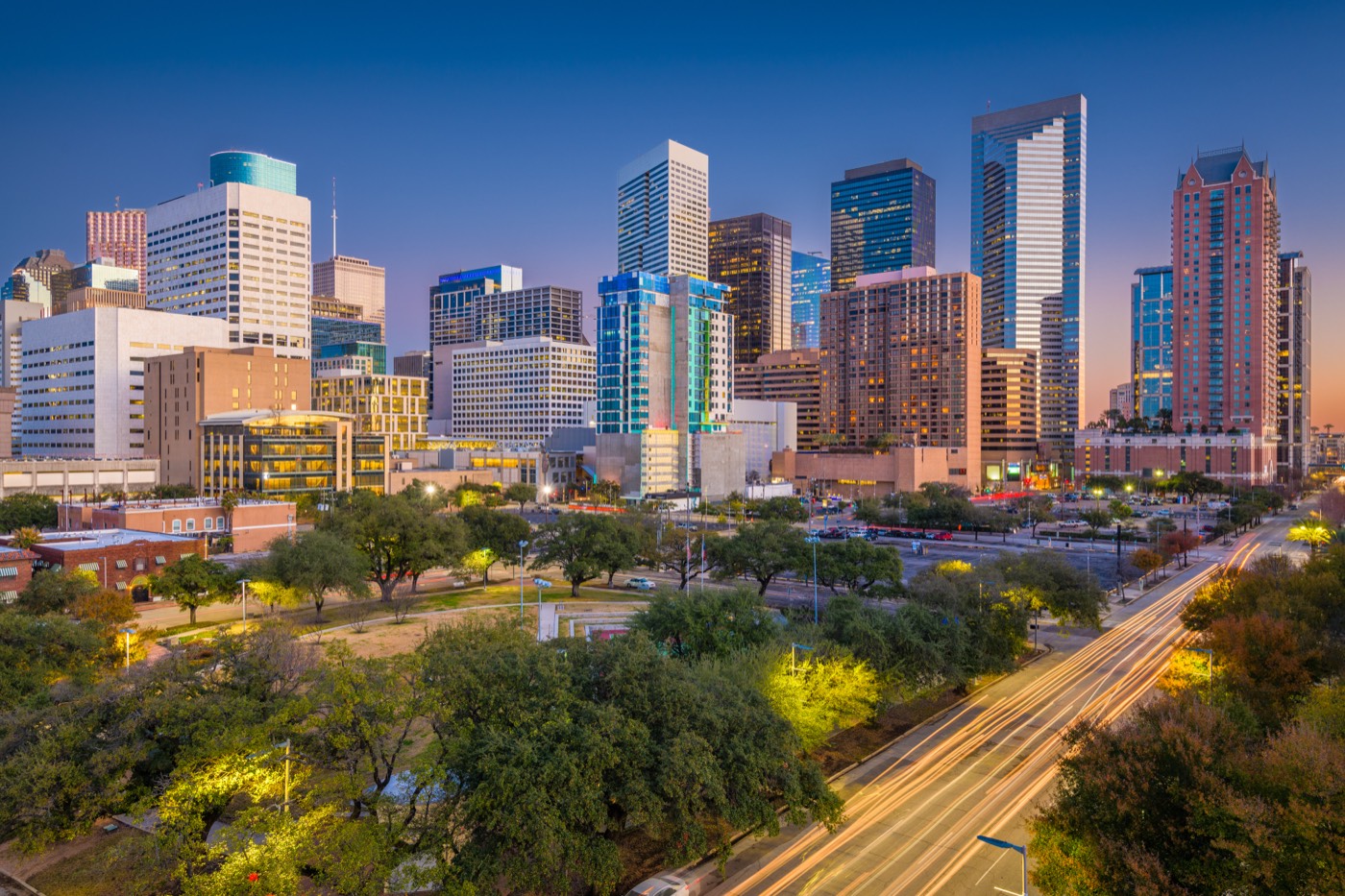
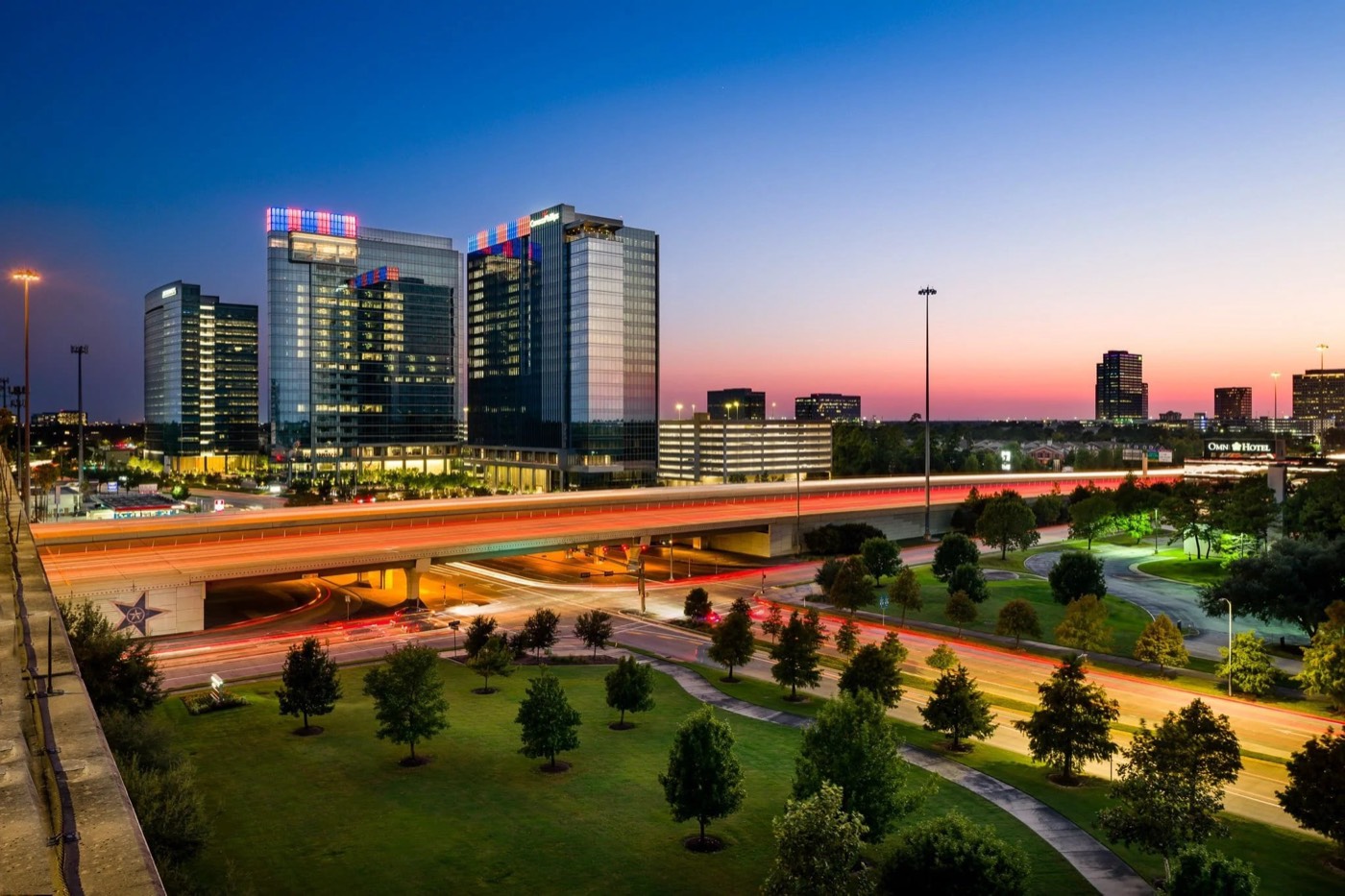
An MOB has to reopen fast after a storm, because every day of closure is lost revenue for every practice inside. Gulf Coast hurricane season threatens wind uplift that can lift an underbuilt roof edge, and the region's flooding history, most vividly during Harvey in 2017, showed how a compromised roof turns a routine storm into a tenant catastrophe. We detail edge metal, parapet caps, and membrane attachment to resist hurricane-force uplift, specify impact-rated assemblies where the large hail Harris County sees is a concern, and correct drainage as part of the work. Ponding water from undersized or clogged drains is both a structural load and a leak risk on these roofs, so we verify positive flow to outlets sized for the intense downpours this area produces. After a major storm we run rapid inspections and hand the owner a documented condition report they can share with tenants. Medical office buildings come in a few distinct flavors around Houston, and the roof work shifts with each. On-campus MOBs sit beside a hospital and share its expectations for documentation and access discipline, even though the building itself is outpatient. The medical buildings clustered near the Galleria and along the inner-loop corridors are often older, taller structures where the roof has been patched through several ownerships and needs a real assessment before anyone talks about a system. The suburban MOBs anchoring growth in places like Katy, Sugar Land, and the Woodlands corridor tend to be newer single- or two-story buildings, but they fill up fast with specialty practices and inherit the same intolerance for leaks over imaging and procedure rooms. We scope each one to what it actually is rather than applying a single template across the board.