
Heavier-gauge reflective white TPO and PVC for large low-slope decks
Redundant penetration detailing over galleries and collections storage Silicone restoration coatings over sound existing roofs
Failed flashings and seals around skylights and architectural features Slow, undetected moisture migrating toward stored collections
Schedule a roof review

Houston's weather raises the stakes for a building full of art and artifacts. Hurricane-force wind tests the edges, corners, and any architectural roof feature, and the city's flooding history makes water the central concern. Harvey in 2017 drove home how badly Gulf Coast rainfall can overwhelm a building, and a cultural institution cannot treat that as an abstract risk when the lower levels of many museums hold collections storage. We design drainage to clear intense rainfall fast, because ponding water over a gallery or vault is an unacceptable standing threat, and we detail the system to keep water moving off the roof before it finds a seam.
Large hail and the relentless heat and UV of the Houston summer do their damage too. Hail bruises a membrane in a single event, and heat dries it out and opens seams over time. On a building protecting a permanent collection, those slow failures matter, because the leak that finally appears over an archive may have been developing for a year. We specify membranes and thicknesses that survive hail and the UV load, and we monitor for the early signs rather than waiting for water to reach the contents.
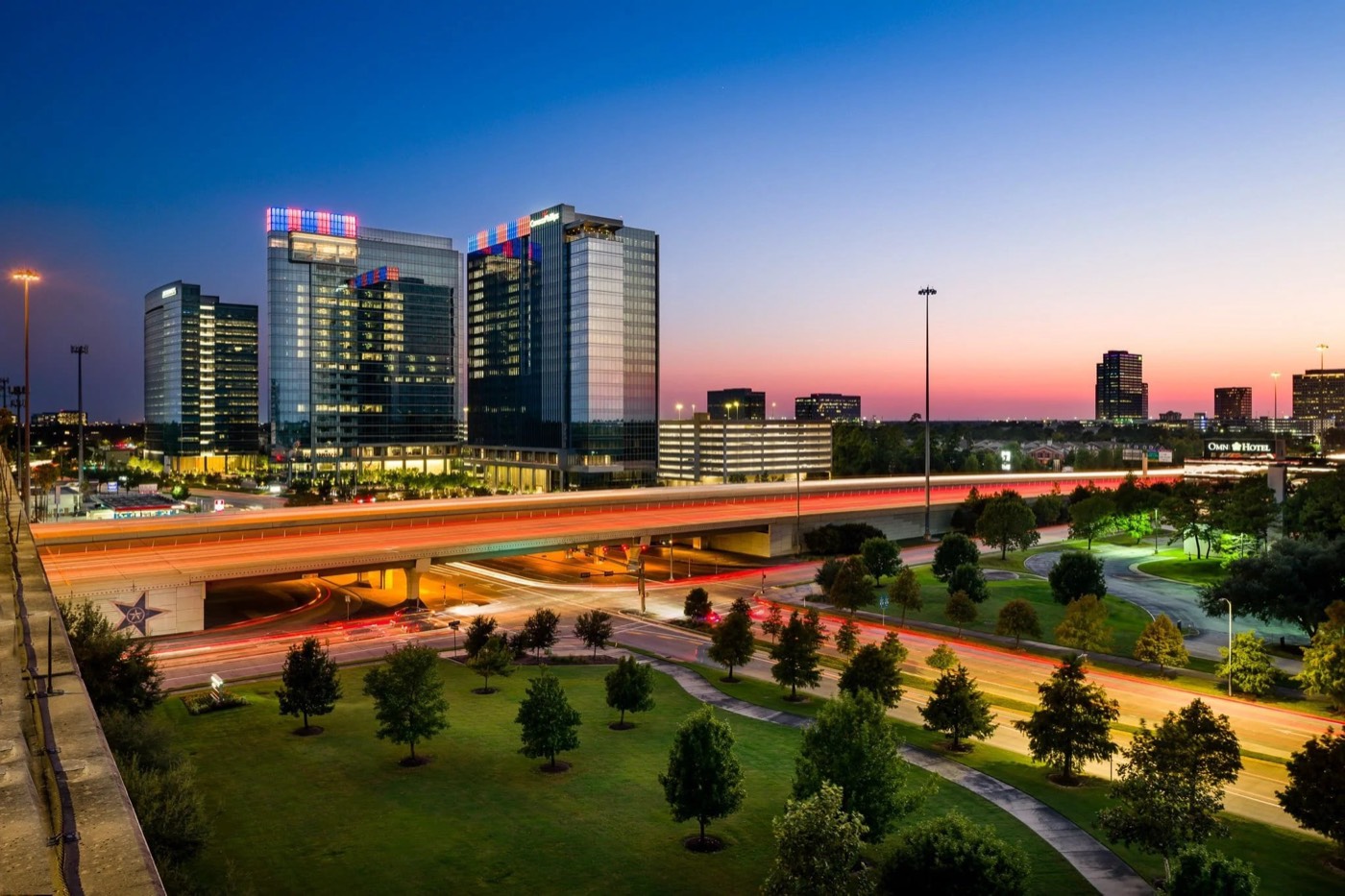
For the large low-slope decks over modern cultural facilities, reflective single-ply membrane in a heavier gauge is the workhorse. White TPO and PVC weld into a continuous watertight field, the reflective surface cuts the rooftop heat load that the climate-control equipment is fighting all day, and the heavier membrane resists hail and the foot traffic of the technicians servicing that equipment. Redundant detailing at every penetration, and on sensitive projects a system designed to contain a breach rather than let water travel to the nearest seam over a collection, is part of how we build for these buildings.
Where an existing roof over a cultural facility is sound but aging, a silicone restoration coating can seal the seams and add reflectivity without a disruptive tear-off over occupied galleries. On architecturally significant or historic buildings, we match the approach to the structure, working with the original roof type and the institution's preservation requirements rather than forcing a single system onto a building that was not built for it.
Roof planning notes
Redundant penetration detailing over galleries and collections storage Silicone restoration coatings over sound existing roofs