
Skip to content

Roofing for Houston self-storage facilities: metal and low-slope reroofs, leak repairs over rented units, and multi-building programs built for Gulf Coast storms.

Schedule a Roof Review

  • Roofing for self-storage facilities in Houston
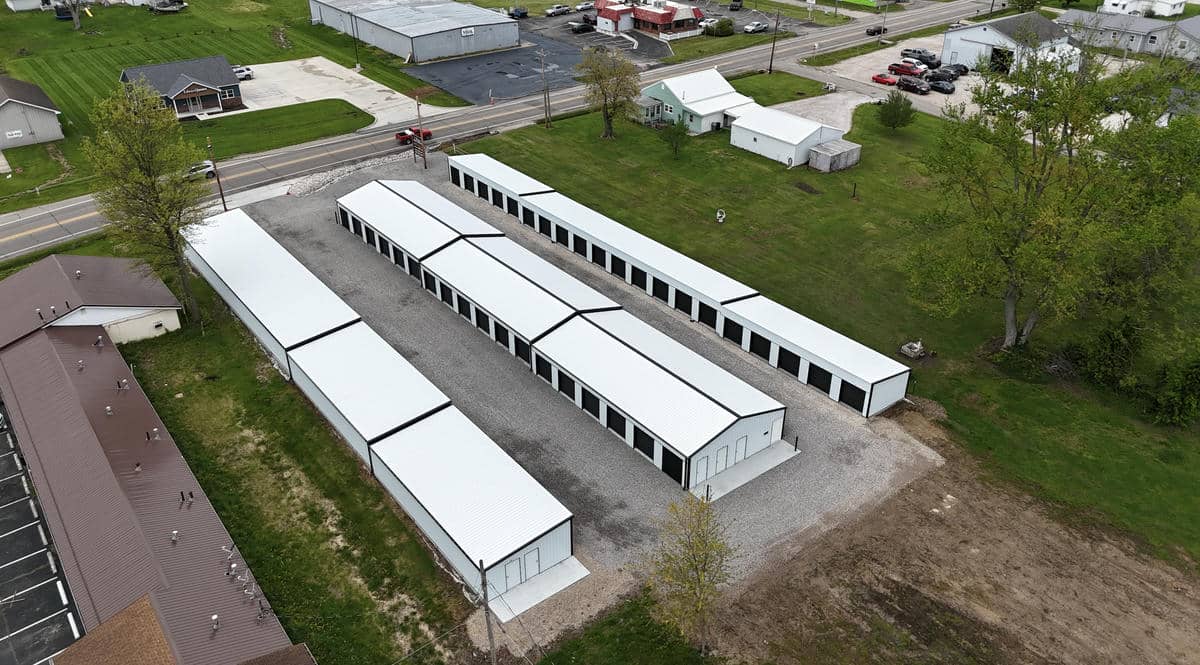
  • Self-storage is a roofing business as much as a real estate one. The product you rent is dry, secure square footage, and the roof is what delivers it. A leak at a storage facility does not just stain a ceiling; it soaks a customer's belongings, triggers a claim, and puts your name on a review. We roof storage properties across the Houston area, from older single-story drive-up rows in Spring Branch and the east side to multi-story climate-controlled buildings going up around the Energy Corridor and the suburbs, with the goal of keeping every unit dry and rentable.
  • These facilities also have a roofing profile unlike almost anything else: huge roof area, long runs, many buildings, and tenants who only discover a leak when they happen to visit. That changes how we inspect, repair, and reroof them.
  • Two very different roof types on one property
  • Most Houston storage facilities are one of two construction types, and many newer sites mix both:
  • Metal roofs on drive-up buildings. The classic single-story rows are almost always sloped metal. Leaks here come from fastener back-out, failed sealant at laps and end-laps, and corrosion, all accelerated by the Gulf Coast's heat-cool cycling and constant humidity. We repair and re-fasten these, and where a metal roof is past saving we can install a coating system over it or a full replacement.
  • Low-slope roofs on multi-story and climate-controlled buildings. The larger modern buildings carry single-ply membrane over big, mostly open spans. The risk shifts to seams, drainage, and the rooftop HVAC that climate-controlled storage depends on. We reroof and repair these as standard commercial low-slope work.
  • We do not force one approach onto both. A facility with metal drive-up rows and a climate-controlled tower gets the right treatment for each.
  • Why storage leaks go unnoticed and cost so much

Roof planning guidance

The danger with storage is time. A tenant might not open their unit for months, so a small leak can drip onto stored property the entire time before anyone notices. By the time it surfaces, the damage and the liability are already done. We counter that with proactive inspection rather than waiting for the phone to ring: Scheduled walks of the full roof and a check of fasteners, laps, and seams on a set interval. Infrared moisture scans on low-slope roofs to find wet insulation before it spreads to occupied units below.

Schedule a roof review
Self-Storage Facility Roofing | Houston & Harris County, TX
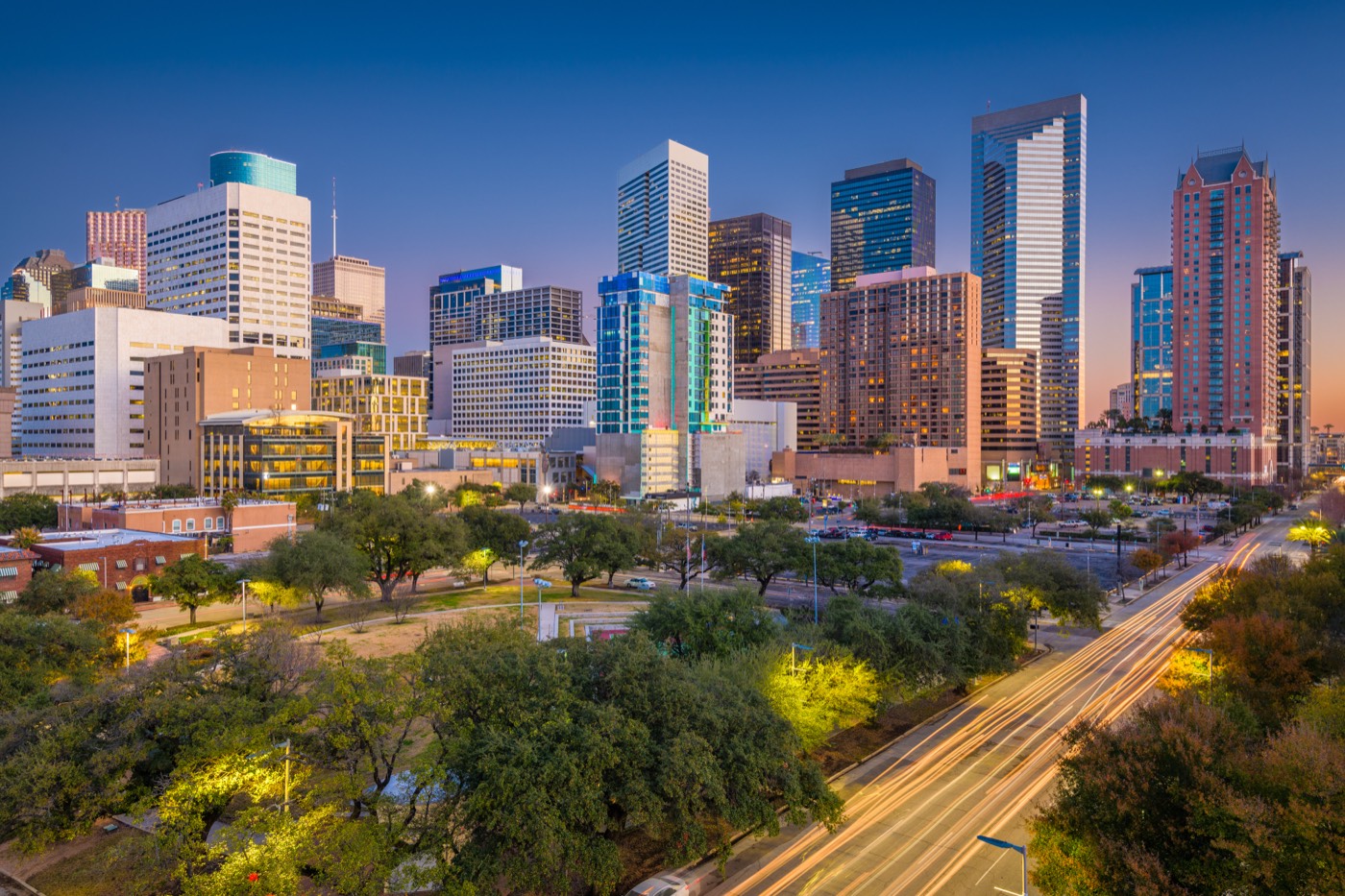
Downtown Houston commercial rooftops

Documented condition reports per building, so you know which roofs are aging and can budget reroofs before they start producing claims.

Building for Gulf Coast storms and heat

Storage facilities sit fully exposed to Houston weather, and their long metal runs and large membrane fields make wind and water management critical. Hurricane season drives the design. Wind gets under metal panel edges and ridge caps and peels them, and Harvey in 2017 showed what days of rain do to any roof that cannot drain or that has open laps. We build and repair for it:

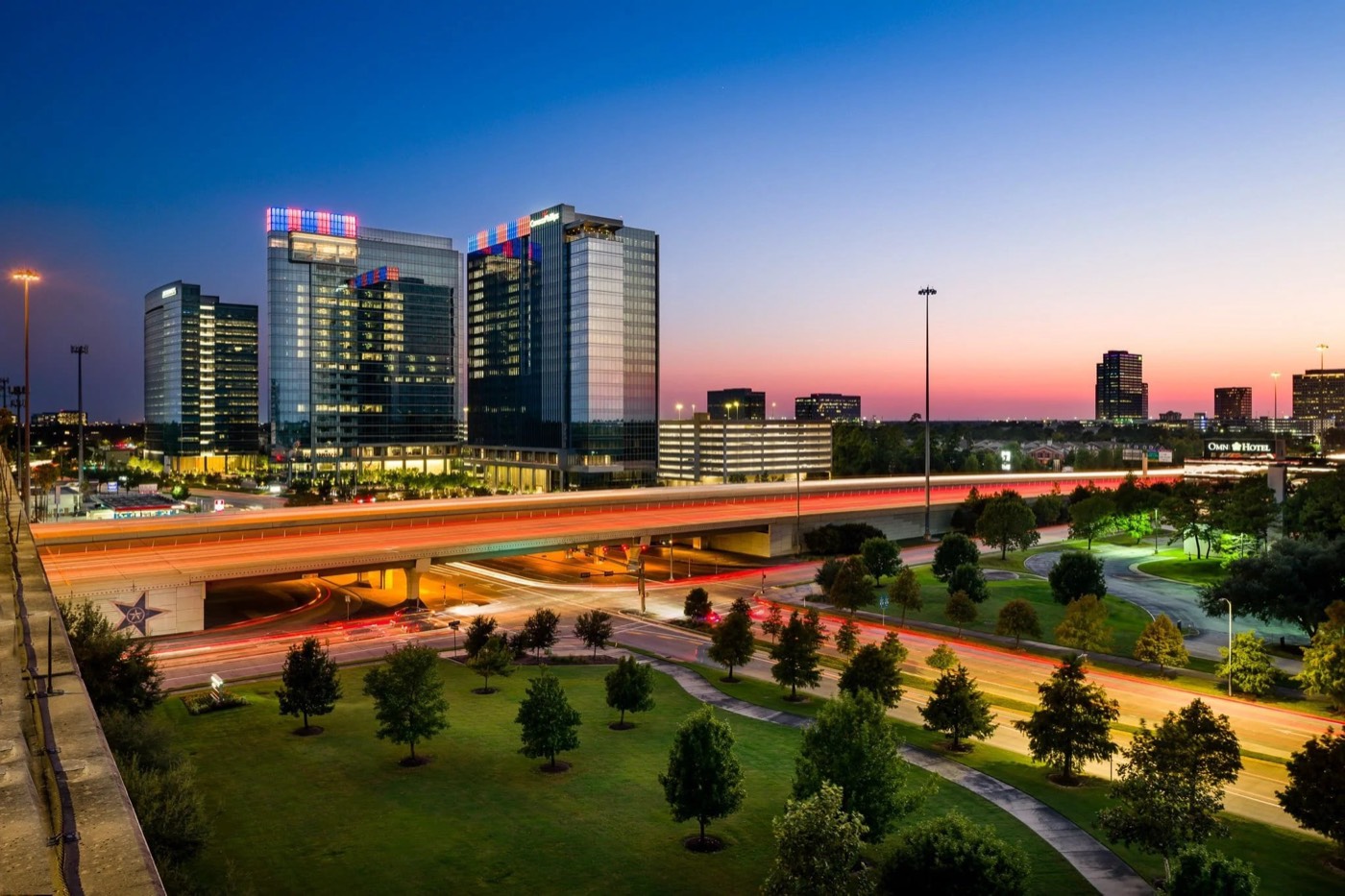
Houston Energy Corridor commercial buildings

Re-fastening and re-sealing metal edges, ridges, and end-laps, the parts that lift first in a hurricane.

Reinforced perimeters and corners on low-slope buildings, where uplift concentrates.

Drainage sized for Gulf Coast downpours, with overflow protection so a clogged drain during a storm does not pond water over a building full of rented units.

Roof planning notes

Roof Scope Notes

Talk with a Houston commercial roofing team

The HVAC and humidity stakes on climate-controlled buildings

Houston heat and UV matter too. On the long metal roofs and the big low-slope fields these buildings carry, a reflective coating or white membrane noticeably reduces heat gain, which helps the cooling load on climate-controlled buildings and slows the membrane aging that intense sun causes. Climate-controlled storage sells a promise the roof has to keep: stable temperature and humidity for whatever a tenant is paying extra to protect. That makes the roof on these buildings do more than shed water. It carries the HVAC equipment that holds those conditions, and in Houston's heat and saturated air, the gap between the cooled, dehumidified interior and the outside is wide enough to drive condensation into a poorly built assembly. We treat climate-controlled buildings accordingly:

Insulation and vapor control suited to a conditioned building in a humid Gulf Coast climate, so moisture does not collect inside the roof and rot it from within.

Curbs and penetrations under rooftop HVAC built and flashed as durable details, since a leak here both wets units and undercuts the conditions you are selling. Talk with a Houston commercial roofing team