
Skip to content

APP modified bitumen roofing on Houston commercial buildings: torch and self-adhered multi-ply systems, heat and UV resistance, reflective cap-sheet options for Gulf Coast roofs.

Schedule a Roof Review

  • What APP modified bitumen is and where it fits on a Houston roof
  • APP modified bitumen is a multi-ply membrane built from asphalt that has been modified with atactic polypropylene, a plastic that gives the sheet a tough, weld-together quality and a high softening point. On a Houston commercial roof, that high softening point is the headline feature: APP holds its shape under intense, sustained summer heat far better than unmodified asphalt, which is exactly what a black roof in this city has to do from May through September. We install APP systems on low-slope commercial and industrial buildings across the metro where an owner wants a redundant, multi-layer roof rather than a single sheet of membrane.
  • The "modified bitumen" family has two cousins: APP and SBS. APP is the plastic-modified version and is built for heat and UV; SBS is rubber-modified and prized for cold-weather flexibility. Houston does not have a cold-weather problem. It has a heat problem, a UV problem, and a water-volume problem, and APP is the member of the family that answers those.
  • How the system is built up
  • An APP roof is assembled in layers, which is the whole point of choosing it. A base sheet goes down over the prepared deck or insulation, one or more plies build the waterproofing thickness, and a granulated or smooth cap sheet finishes the surface. Each layer bonds to the one below it, so the roof is genuinely several membranes thick. A puncture or seam problem in one ply does not become a leak into the building, because there is still sound membrane beneath it. For a building owner who has been burned by a single-ply tear, that redundancy is reassuring.
  • Torch-applied APP
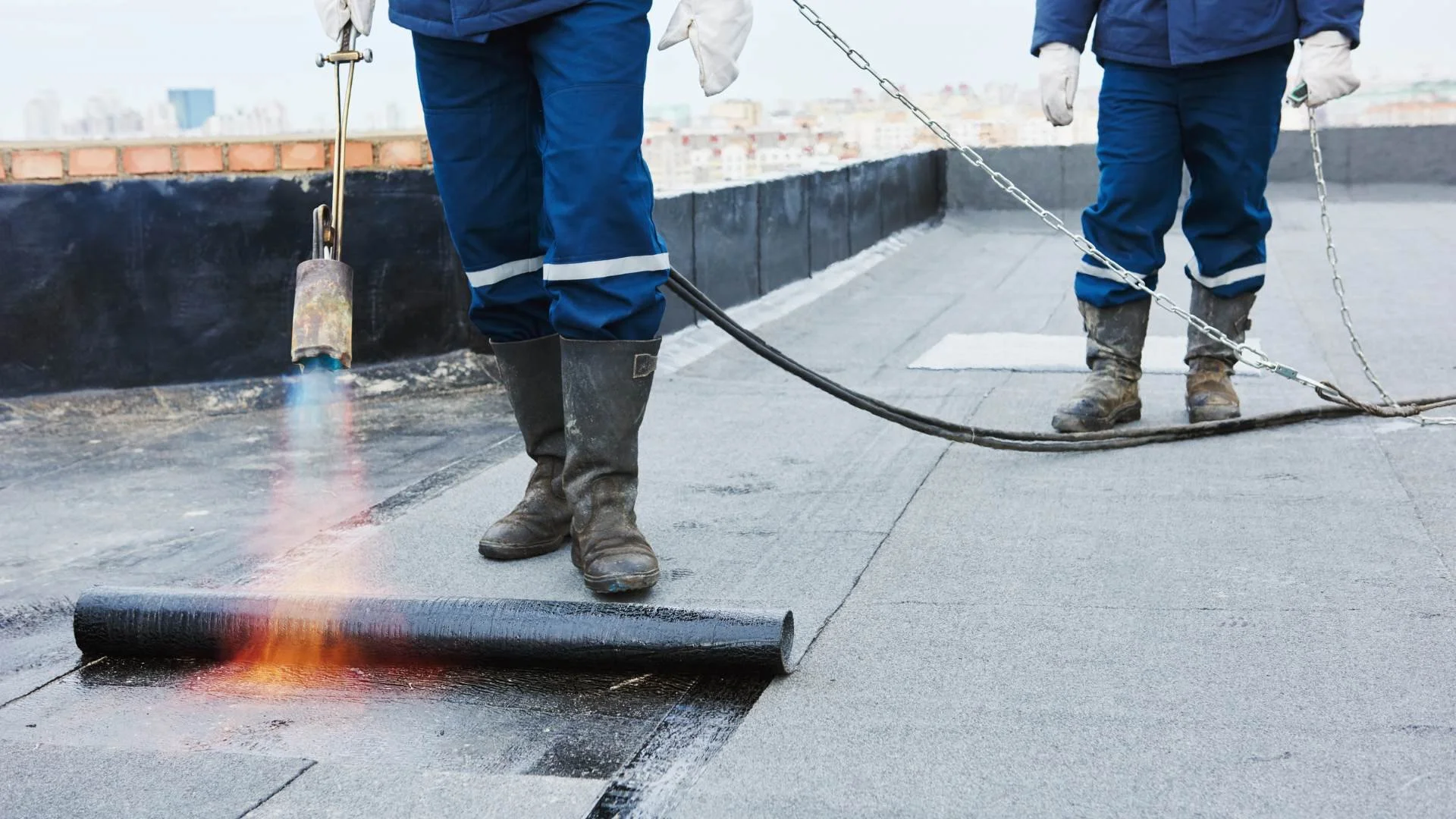
  • The classic method heats the underside of the APP roll with an open-flame torch until the polypropylene-modified asphalt melts, then the sheet is rolled into place and the melted asphalt fuses to the layer below. Done by an experienced crew, a torched APP seam is monolithic and extremely durable. It is also hot work, so we manage it carefully around the rooftop gas lines, vents, and equipment common on Houston commercial and industrial buildings, and we follow strict fire-watch practice on every torch job.
  • Self-adhered and cold-applied options
  • Where open flame is a poor fit, near occupied tenants, over a building with sensitive interior operations, or on a roof crowded with combustible penetrations, APP can be installed with self-adhering sheets or cold-applied adhesives instead of a torch. These methods reach a similar layered, redundant result without the fire risk, which matters on tight Houston sites where shutting down the operation below is not an option.

Why APP earns its place on Gulf Coast buildings

High heat tolerance from the polypropylene modifier, so the surface resists softening and flow through long Houston summers Genuine multi-ply redundancy, so a single point of damage is far less likely to leak through to the deck

Schedule a roof review
APP Modified Bitumen Roofing | Houston, TX Commercial Roofs
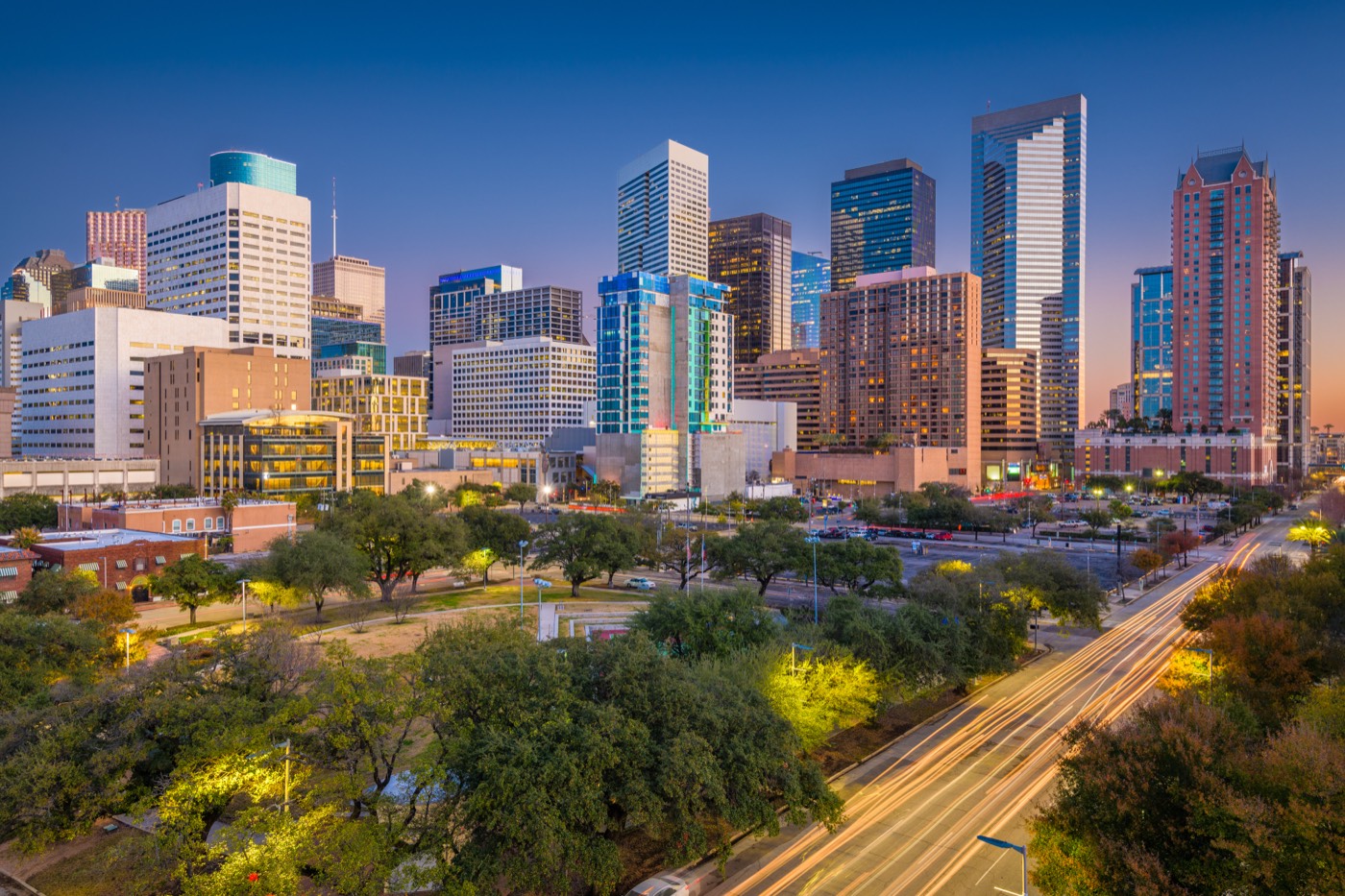
Downtown Houston commercial rooftops

Strong UV resistance, especially with a mineral-granule cap sheet that shields the asphalt from sun degradation

Tough, walkable surface that stands up to the foot traffic of rooftop HVAC and equipment service

Robust, fused seams that resist the wind uplift that comes with Gulf Coast storm season

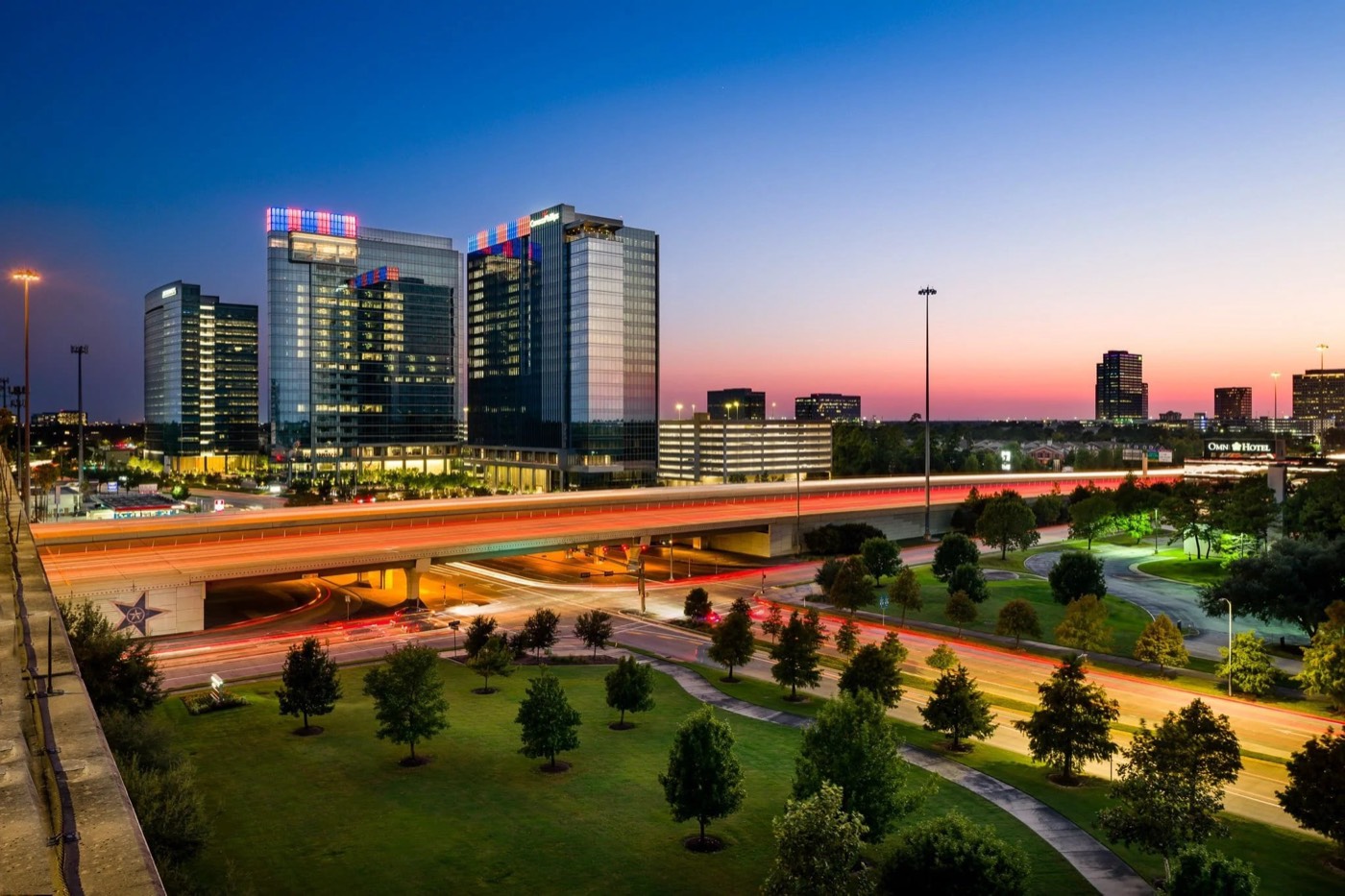
Houston Energy Corridor commercial buildings

The Houston heat and UV question

A standard granulated APP cap is dark, and dark roofs in Houston run hot and push cooling costs up. Because the city's heat and sun are the dominant stress on any roof here, we often pair an APP system with a reflective finish, either a factory cap sheet in a light color or a field-applied reflective coating over the granules. That keeps the membrane's surface temperature down, eases the air-conditioning load underneath, and slows the UV aging of the asphalt. On a building in the Energy Corridor or near the Galleria where the owner is watching summer utility bills, that reflective surface changes the operating math of the roof, not just its appearance.

Hurricane season, hail, and heavy rain

Roof planning notes

Roof Scope Notes

Talk with a Houston commercial roofing team

When we recommend APP, and when we steer you elsewhere

APP makes the most sense when an owner wants maximum redundancy and heat tolerance, when the building has a history of punctures or heavy rooftop traffic, or when the existing roof is already a modified bitumen system that the owner wants to stay with. We do not push it as the answer to everything. On a roof where the priority is a bright reflective surface and the lightest possible installation, a white single-ply membrane may serve better. We walk your roof, look at how it is used and what failed last time, and recommend the system that fits the building rather than the one that is easiest to sell. Repair, recover, and tie-ins

Talk with a Houston commercial roofing team

APP is also a practical repair and recovery material. Its layered nature lets us tie new membrane cleanly into an existing modified bitumen field, patch storm or puncture damage with fully fused repairs, and in the right conditions install an APP recovery layer over a sound but aging roof to extend its service life without a full tear-off. For Houston owners trying to stretch a roofing budget across several buildings, a targeted APP repair or recover can buy years before a full replacement is unavoidable. Call 713-388-6346 or email info@commercialroofingcontractorshouston.com for help with app modified bitumen roofing | houston, tx commercial roofs in Greater Houston.