

Skip to content

White reflective EPDM membrane for Houston commercial buildings. Cuts cooling loads in Gulf Coast heat while keeping the durability of rubber single-ply roofing.

Schedule a Roof Review

  • White EPDM Reflective Roofing in Houston
  • White EPDM brings the toughness of cured rubber membrane together with a reflective surface, and on a roof that bakes from April through October that combination matters. The membrane is the same ethylene propylene diene monomer rubber that has protected low-slope commercial roofs for decades, but the white-on-black or fully white formulations reflect a large share of the sun's energy instead of soaking it up. For Houston building owners watching their cooling bills climb through a long Gulf Coast summer, that reflectivity is the headline.
  • We install white EPDM on commercial and industrial buildings across the metro, from office and flex space in Westchase to manufacturing and warehouse roofs out past the Beltway. The decision to go white over black usually comes down to two things: how hard the building works its air conditioning, and whether the roof is contributing to that load. On most of the buildings we see, the answer points toward a reflective membrane.
  • Why a Reflective Membrane Pays Off in Our Climate
  • A dark roof surface in Houston can reach extreme temperatures on a clear summer afternoon, and that heat drives straight into the building and into the cooling system. A white reflective EPDM surface stays dramatically cooler, which means less heat entering the conditioned space and a lighter load on rooftop units that are already running hard for months at a stretch. The benefits stack up in a few specific ways:
  • Lower cooling costs. Reflecting solar energy off the roof reduces the heat the HVAC system has to fight, and on a large flat roof that adds up over a Houston cooling season that barely lets up.
  • Cooler rooftop equipment. Condensing units sitting on a scorching black roof work harder and wear faster. A reflective surface lowers the ambient temperature those units pull from.
  • Longer membrane life. Heat is the enemy of any roofing material. A cooler-running membrane endures less daily thermal stress, which helps the whole assembly age more gracefully.
  • Help meeting energy code. Reflective roofing supports the energy performance targets that increasingly shape commercial construction and re-roofing decisions in our market.

White EPDM Versus Black EPDM

Owners often ask why they would choose white EPDM over the cheaper black version, or over a white TPO membrane. White EPDM occupies a specific spot. Against black EPDM, you keep all the rubber's flexibility, ozone resistance, and field repairability while gaining reflectivity, which is a strong argument anywhere cooling load is a concern, and in Houston that is almost everywhere. The tradeoff is cost and the need to keep the surface reasonably clean, since dirt cuts into reflective performance over time. We do not pretend white EPDM is the only good reflective option. For some buildings a white TPO or a spray-applied coating fits better. What we bring is an honest read on which membrane suits your deck, your budget, and your exposure rather than pushing one product on every roof.

Schedule a roof review
White EPDM Reflective Roofing for Houston Commercial Roofs
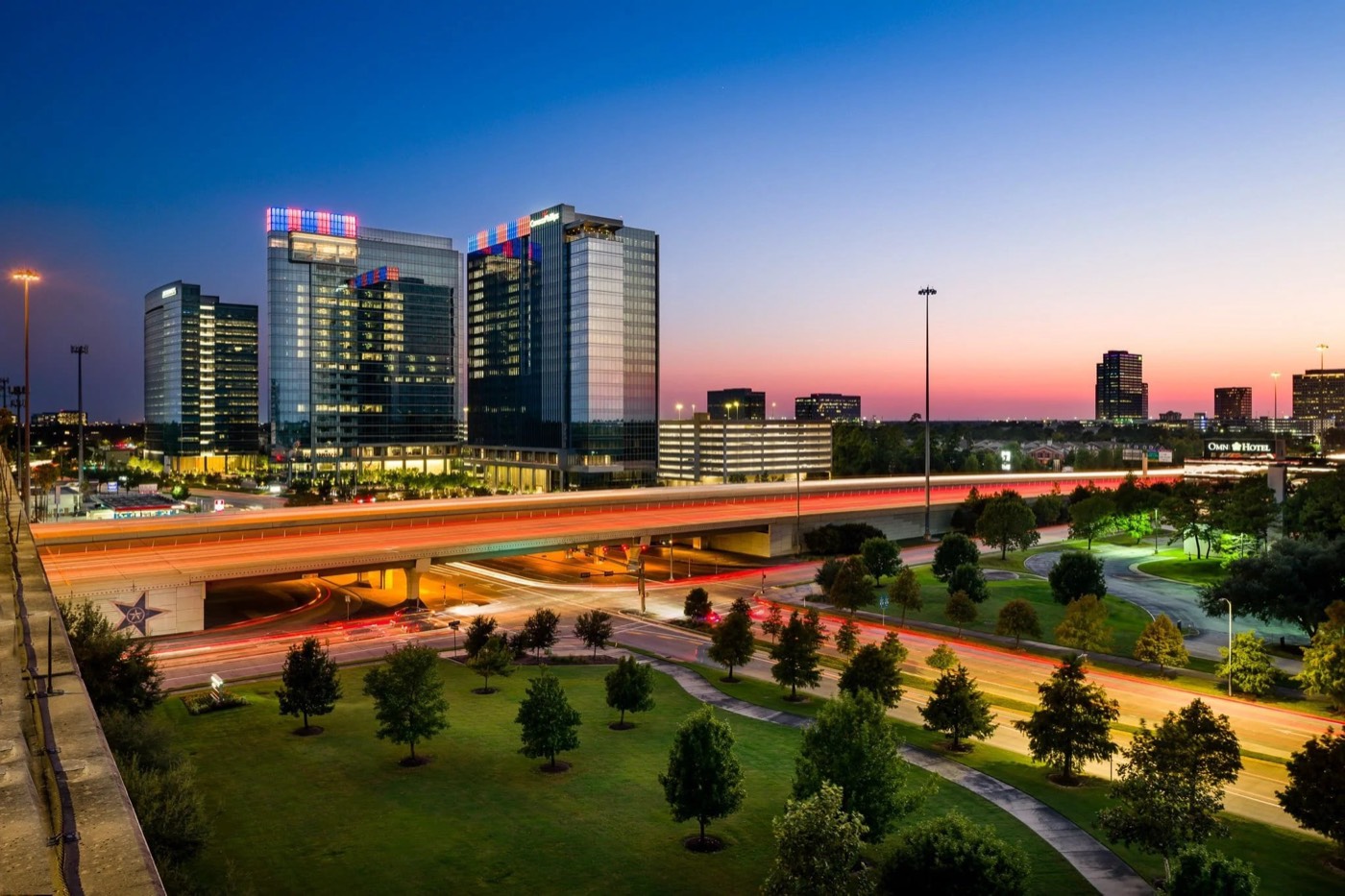
Downtown Houston commercial rooftops

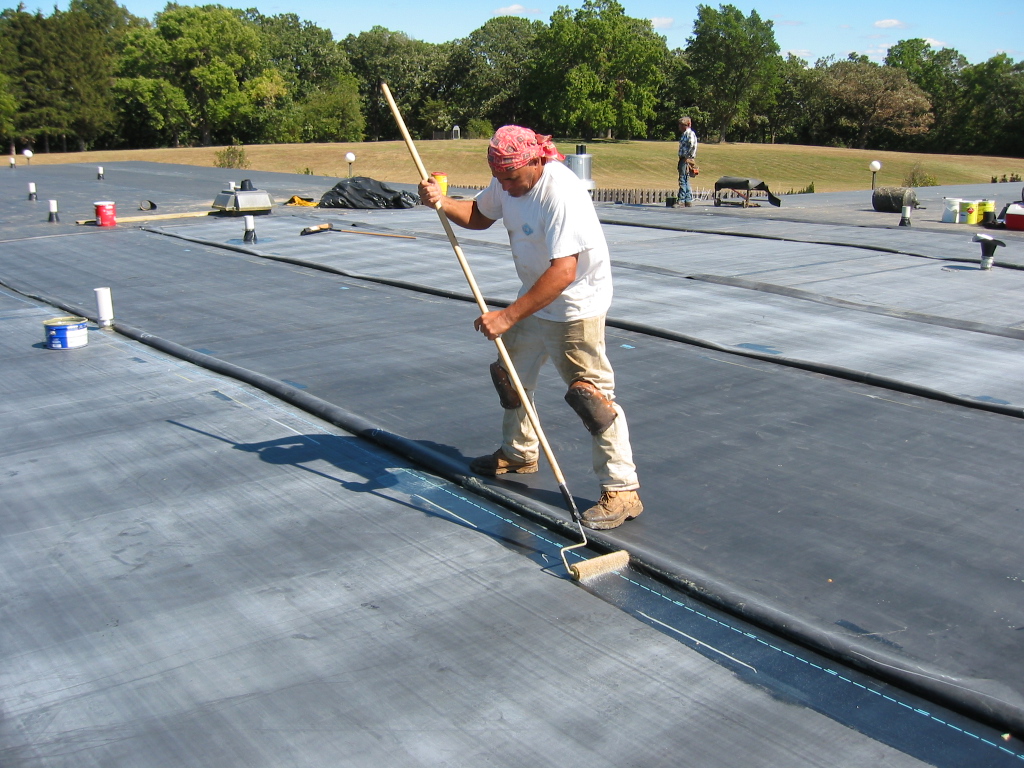
How We Install White EPDM

The attachment methods mirror those for any EPDM roof, and on the Gulf Coast wind uplift governs the choice as much as anything. Houston sits squarely in hurricane country, and we design every system to hold in high wind.

Fully Adhered for Wind Resistance

Houston Energy Corridor commercial buildings

For most reflective EPDM jobs we lean toward a fully adhered system, where the membrane is bonded across its full area to the insulation. With no fasteners in the field of the sheet, the membrane resists the billowing and uplift that hurricane-force gusts produce. A fully adhered white roof also presents a smooth, clean surface that holds its reflectivity better than a wrinkled or stone-covered one.

Mechanically Attached for Large Roofs

On big warehouse and industrial roofs where budget and schedule lead, mechanically attached white EPDM uses an engineered fastening pattern with tighter spacing at the perimeter and corners, the zones where wind pressure peaks. We calculate that pattern for the building's specific wind zone rather than relying on a generic layout.

Roof planning notes

Seams, Flashings, and Storm Detailing

Talk with a Houston commercial roofing team

Curb flashings around rooftop HVAC units

Like any single-ply roof, white EPDM lives or dies at the seams and flashings. Our crews build seams with primer and seam tape, fully rolled and bonded, and we treat every penetration and termination as a potential leak point to be sealed and then inspected over the roof's life. Houston's wind-driven rain finds any weak detail, so we focus on: Pipe penetrations, pitch pans, and equipment supports