
Skip to content

Fleeceback TPO roofing for Houston commercial roofs. Fleece-backed membrane adds puncture resistance and strong wind uplift performance for Gulf Coast buildings.

Schedule a Roof Review

  • Fleeceback TPO Roofing in Houston
  • Fleeceback TPO takes a reflective white thermoplastic membrane and laminates a thick fleece backing to its underside, and that backing changes how the roof performs in ways that matter on a hurricane-exposed Gulf Coast building. The fleece gives the membrane more body, more puncture resistance, and a surface that bonds to insulation with adhesive across its full area. We install fleeceback TPO on commercial and industrial roofs throughout the Houston metro where owners want the energy advantages of a white membrane plus a tougher, more wind-resistant assembly.
  • Standard TPO is already one of the most common membranes on flat commercial roofs because it is white, reflective, and weldable into strong seams. The fleeceback version is what we reach for when a roof needs more than the basics, whether that is a building in a high wind zone, a deck with irregularities, or a re-cover going over an existing roof that benefits from the extra cushion the fleece provides.
  • What the Fleece Backing Actually Does
  • The fleece is not cosmetic. It is a structural layer that solves several real problems on Houston roofs at once:
  • Stronger wind uplift resistance. Because fleeceback TPO is fully adhered to the substrate across its entire area, there are no fasteners in the field of the membrane to concentrate stress and no loose membrane to billow in high wind. On the Gulf Coast, where hurricane-force gusts are a design reality, full adhesion is a serious advantage.
  • Better puncture resistance. The fleece adds thickness and toughness underfoot, which helps on roofs with heavy service traffic, frequent equipment maintenance, or hail exposure. Houston sees damaging hail, and a more robust membrane shrugs off impacts that might bruise a thinner sheet.
  • Bridging over rough substrates. The fleece helps the membrane span minor surface irregularities, which is useful when re-covering an existing roof or installing over a deck that is not perfectly smooth.
  • A reflective white surface. Like standard TPO, the fleeceback membrane reflects solar energy, which lightens the cooling load that drives Houston energy bills through a long, hot summer.

Why It Fits the Houston Wind Zone

The single biggest reason we specify fleeceback TPO on so many local projects is wind. Houston and the surrounding counties sit in hurricane territory, and roof assemblies here have to resist the uplift pressures that storms generate. A fully adhered fleeceback system spreads wind load across the entire bonded area rather than relying on rows of fasteners. That distributed hold is exactly what you want when a tropical system is pushing against the roof. The fully adhered approach also produces a smooth roof surface free of the ripples and stress points that fasteners create. That smoothness drains better, inspects easier after a storm, and holds its reflective performance longer. On warehouse and industrial roofs across the area, and on commercial buildings closer in, this combination of wind resistance and clean detailing is a strong argument for the fleeceback membrane.

Schedule a roof review
Fleeceback TPO Roofing Systems for Houston Commercial Buildings
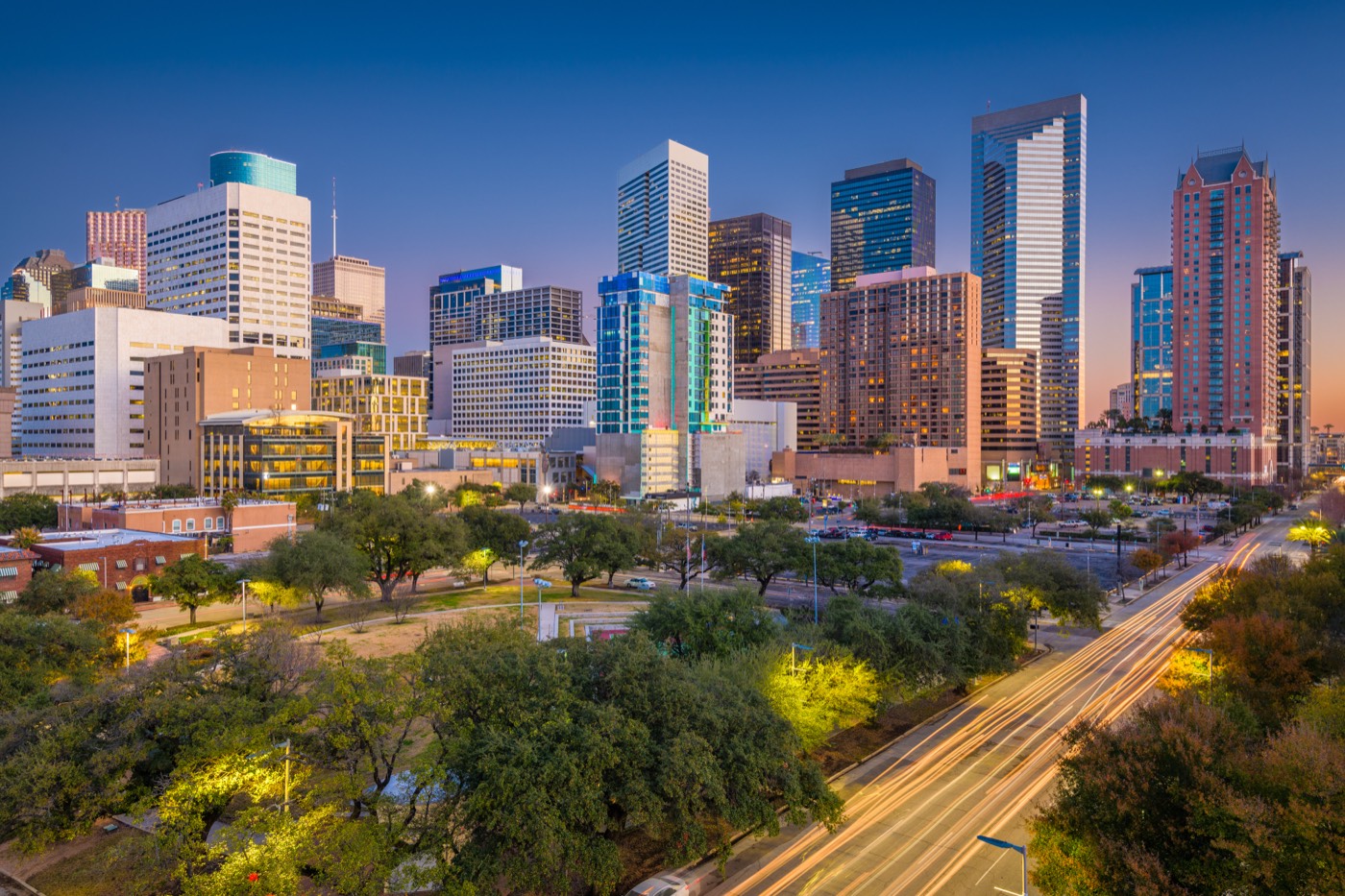
Downtown Houston commercial rooftops

Heat-Welded Seams

One of TPO's defining strengths is that its seams are heat-welded rather than taped or glued. Our crews use hot-air welders to fuse adjacent sheets into a continuous, monolithic membrane, and a properly welded seam is as strong as the membrane itself. We probe every weld and check the work as we go, because on a Houston roof facing wind-driven rain, the seams are the front line. Fleeceback TPO welds the same way standard TPO does, so the field of the roof becomes one bonded sheet.

How We Install Fleeceback TPO

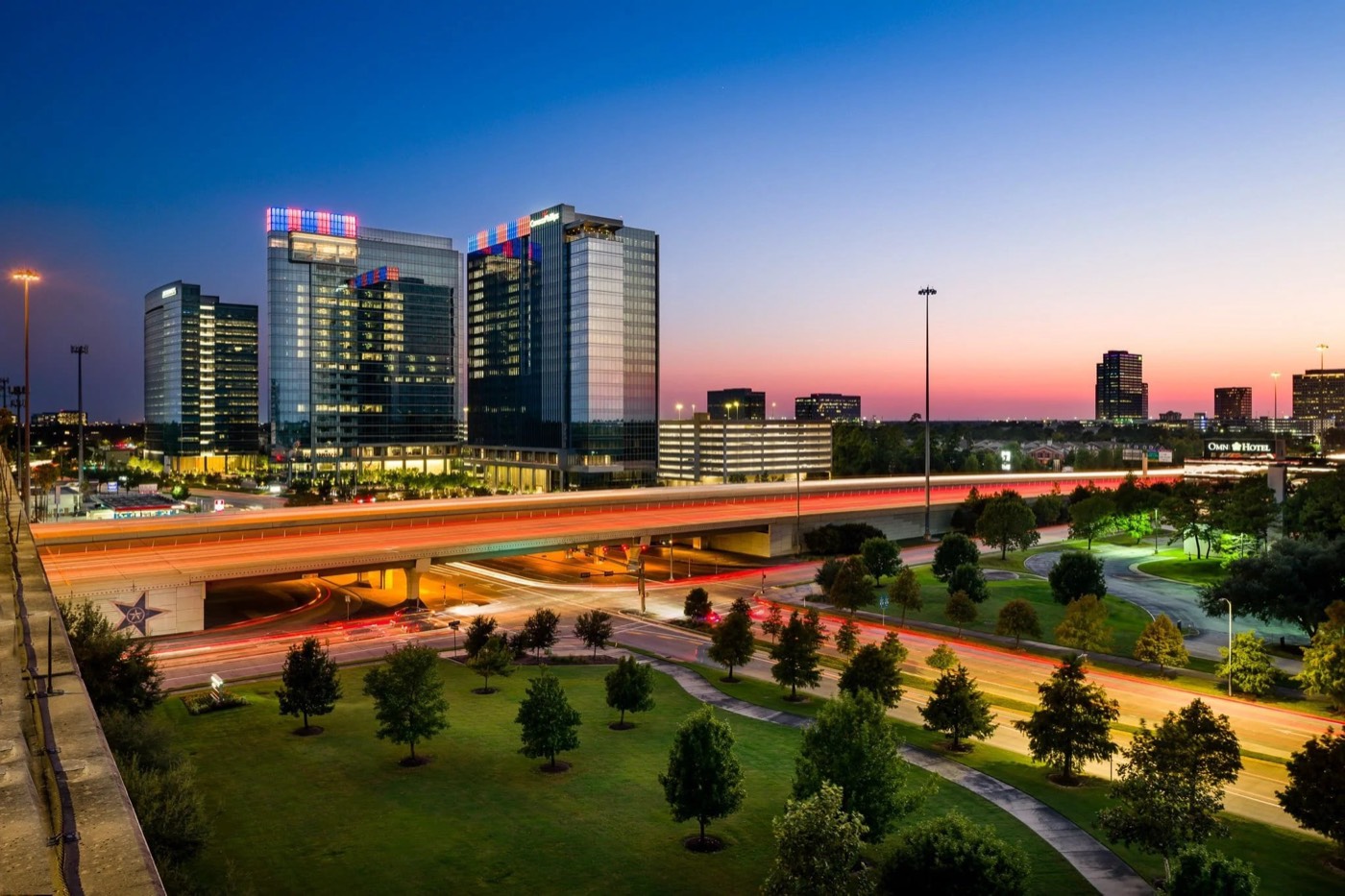
Houston Energy Corridor commercial buildings

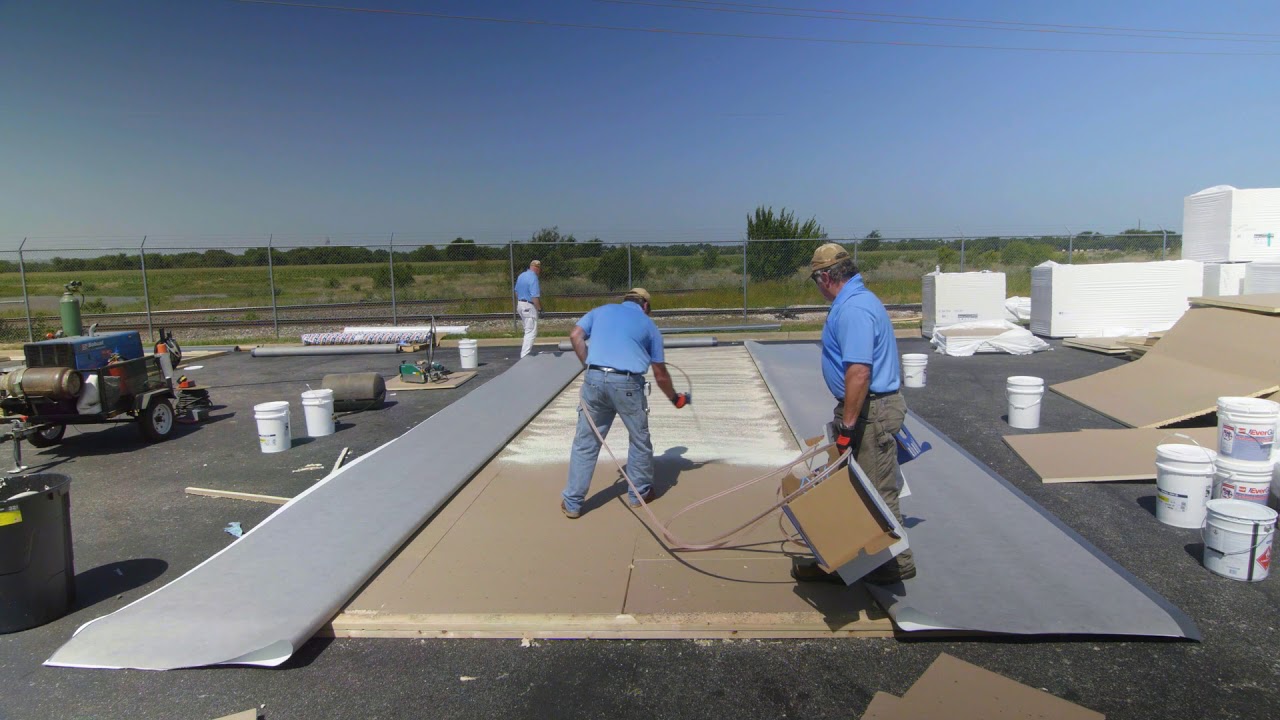
Fleeceback TPO is built to be fully adhered, and that is how we install it. The sequence on a typical re-roof looks like this:

Substrate and Insulation

We start by getting the deck and insulation right, since the fleeceback membrane is only as good as what it bonds to. We address wet or deteriorated insulation, set the insulation layers, and where drainage needs help we use tapered insulation to build slope toward the drains. On a flat Houston roof, fixing slope during the install is far cheaper than fighting ponding water for the next twenty years.

Roof planning notes

Adhering the Membrane

Talk with a Houston commercial roofing team

Welding and Detailing

We apply the appropriate adhesive and roll the fleeceback membrane into it, working to achieve full contact across the fleece so the entire underside grips the substrate. The fleece soaks up adhesive and forms a strong, even bond. This full-area attachment is what gives the system its wind performance. Once the field is down, we heat-weld the seams and build out the flashings at every penetration, curb, drain, and termination. These details get the same care as the field, because that is where leaks start.

Flashings and Drainage for Houston Storms

Our region delivers heavy, fast rain, and Harris County drainage demands roofs that move water off quickly. After major flooding events the area has lived through, no Houston building owner needs convincing that drainage matters. We size and detail the drainage to handle intense downpours and treat the flashings as critical waterproofing, focusing on: Talk with a Houston commercial roofing team