
Skip to content

Drone Roof Inspection in Houston, TX

Schedule a Roof Review

  • Seeing the Whole Roof Without Putting Crews on It
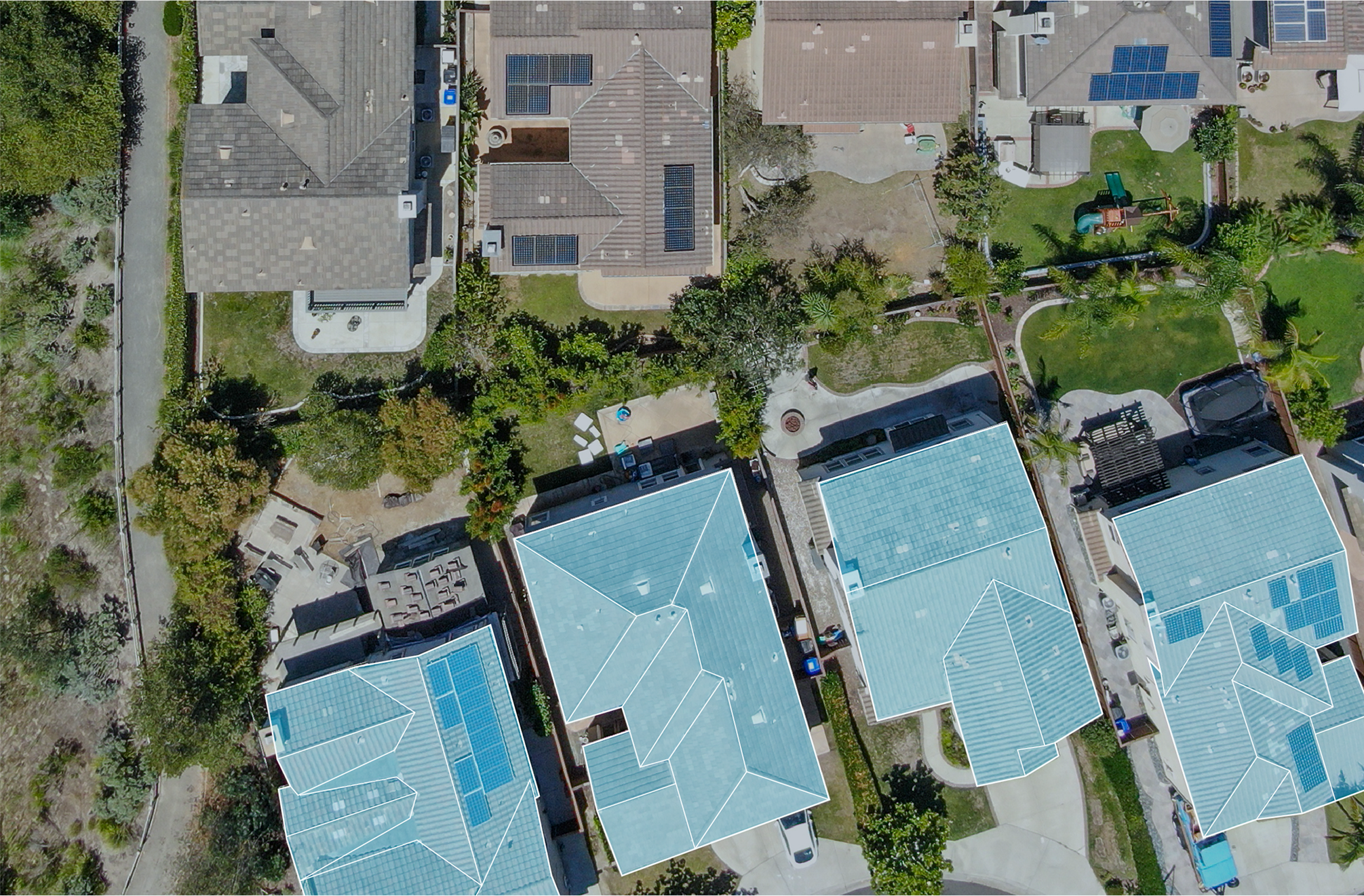
  • A large commercial roof is hard to evaluate from the ground and tedious to walk in full. On a sprawling warehouse near the Port of Houston or a multi-building campus in the Energy Corridor, a thorough foot inspection can take most of a day and still miss details in the middle of an acre of membrane. A drone changes that. We fly the roof, capture high-resolution imagery of every square foot, and review it methodically, which lets us assess condition quickly and safely across the kinds of expansive flat roofs that define commercial property in this region.
  • This isn't about gadgets. It's about getting better information with less risk and less disruption to your operations. We don't need to stage ladders against a tenant's storefront, run lifts across a busy parking lot, or send people walking on a fragile or storm-damaged membrane that may not be safe to bear weight. The aircraft does the looking, and we do the analysis.
  • What Aerial Imaging Shows Us
  • From the air we can document the entire roof field, the perimeter, and every penetration in a consistent, repeatable way. High-resolution photography reveals surface conditions that are easy to miss at grade or even underfoot: blistering and membrane shrinkage from years of Gulf Coast heat and UV, open or stressed seams, displaced or missing ballast, debris accumulation, and damage at flashings and terminations.
  • After a storm, that overview is especially valuable. Houston sits in an active path for severe weather from June through November, and the wind uplift and large hail that come with these systems leave signatures across a roof that read clearly from above. We can spot lifted or peeled membrane, scattered debris that's puncturing the surface, hail bruising patterns across the field, and damage to rooftop equipment and curbs, then map exactly where those problems cluster so a repair crew goes straight to them.
  • Membrane blistering, shrinkage, and seam separation across the full field
  • Ponding water and the low spots and drainage problems that cause it
  • Wind and hail damage after a storm, mapped to specific roof zones

Debris, displaced ballast, and foot-traffic wear

Condition of HVAC curbs, skylights, vents, and other penetrations Blocked or backed-up drains and scuppers

Schedule a roof review
Drone Roof Inspection in Houston, TX
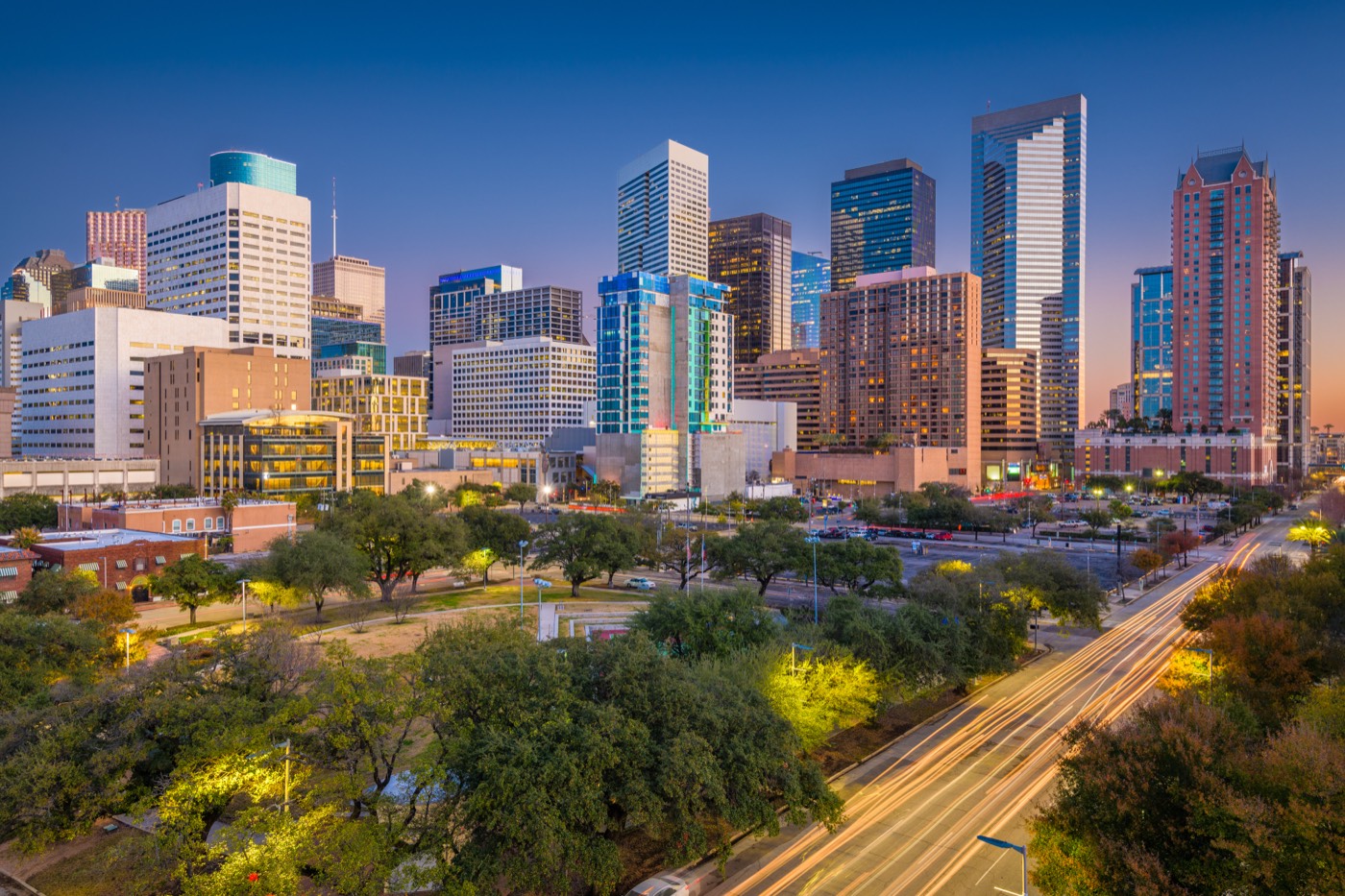
Downtown Houston commercial rooftops

Perimeter, parapet, and flashing conditions at roof edges

Drainage and Ponding on Flat Roofs

Ponding deserves its own attention here, because it's one of the most common and most consequential problems we document from the air. Flat and low-slope roofs are supposed to shed water to drains and scuppers, but settling, undersized drainage, and original construction tolerances often leave low spots where water sits long after a rain. On the Gulf Coast, where heavy rain is frequent and Harris County drainage requirements are taken seriously, standing water accelerates membrane breakdown and overloads the structure.

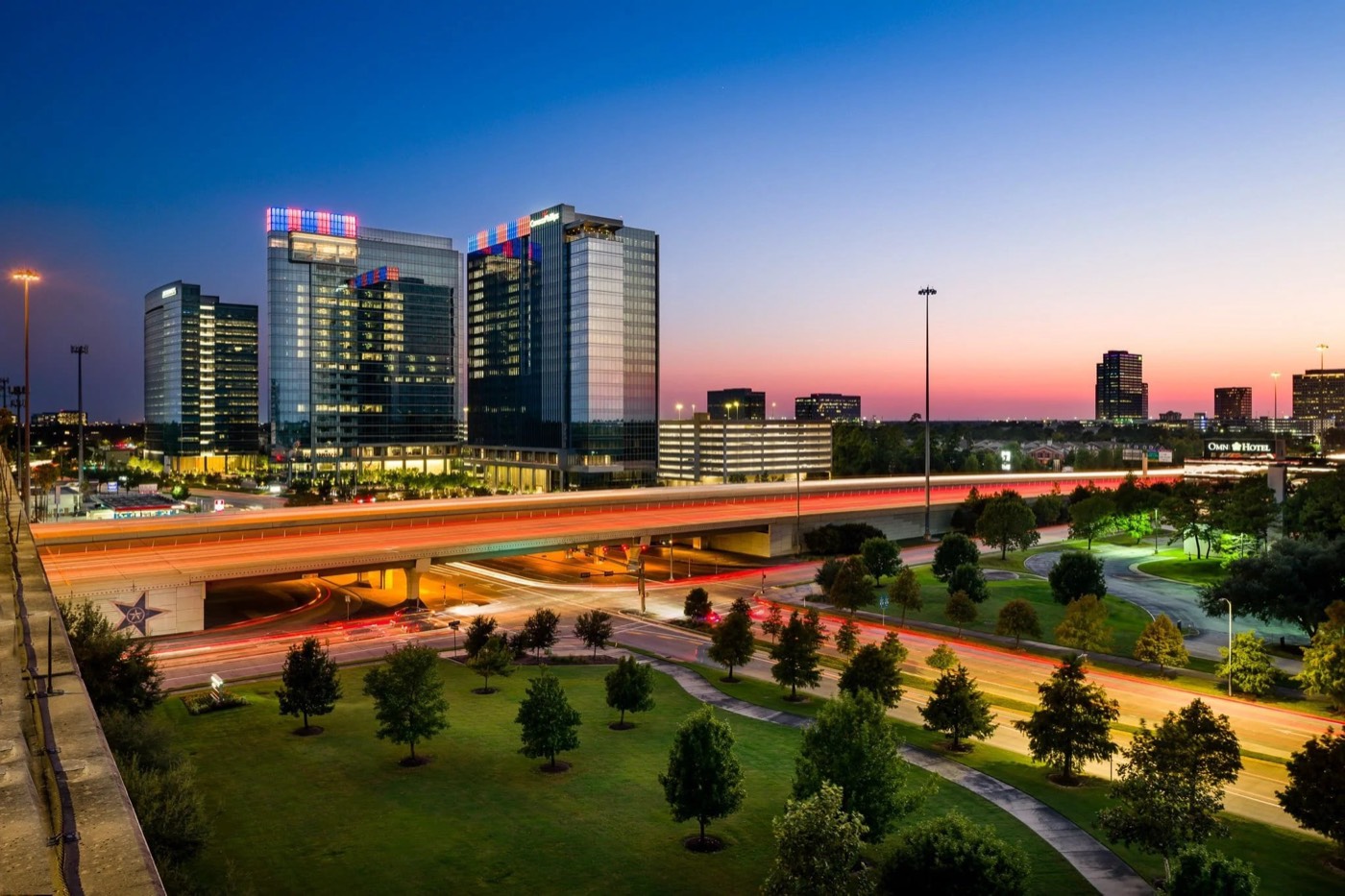
Houston Energy Corridor commercial buildings

Aerial imagery captured while water is still present, or the staining and debris rings left behind once it drains, shows us exactly where ponding is happening and how widespread it is. That's hard to judge from one spot on a huge roof but obvious from overhead. Identifying these areas early lets you correct drainage before ponding turns into a leak.

Finding Wet Insulation From the Air

Some of the most damaging roof problems aren't visible on the surface at all. When water gets past the membrane, it saturates the insulation underneath and spreads sideways across the deck, often without any obvious sign on top. Left alone, that trapped moisture rots the deck, corrodes fasteners and steel, and quietly destroys the roof's thermal value while you keep paying to condition a building through wet insulation.

Roof planning notes

Roof Scope Notes

Talk with a Houston commercial roofing team

Where Drones Earn Their Keep in Houston

The buildings that benefit most are exactly the ones this market is full of. Industrial and distribution facilities along the Ship Channel and out toward the suburbs often have roofs measured in hundreds of thousands of square feet. Medical and institutional buildings around the Texas Medical Center, the world's largest medical complex, frequently have roofs crowded with equipment and limited safe access. Steep architectural features, tall parapets, fragile skylights, and active rooftop machinery all make foot inspection slower and riskier. From the air, none of that is an obstacle. There's also a real safety and liability benefit. Keeping people off a roof that's wet, hot, storm-damaged, or simply very high removes the fall exposure that comes with traditional inspection. After a major weather event, when there may be hidden structural damage, that's not a small consideration.

A Record You Can Use

Every flight produces a documented set of imagery, not just a verbal report. That record is useful well beyond the inspection itself. For insurance claims after a storm, dated, high-resolution images of damage carry weight. For budgeting and capital planning, a clear baseline of roof condition helps you decide where repair dollars go and when a larger project is coming. And because the flights are repeatable, comparing this year's imagery to last year's shows how a roof is aging and whether a known problem is getting worse. Talk with a Houston commercial roofing team