
The Membranes and Conditions We Work On
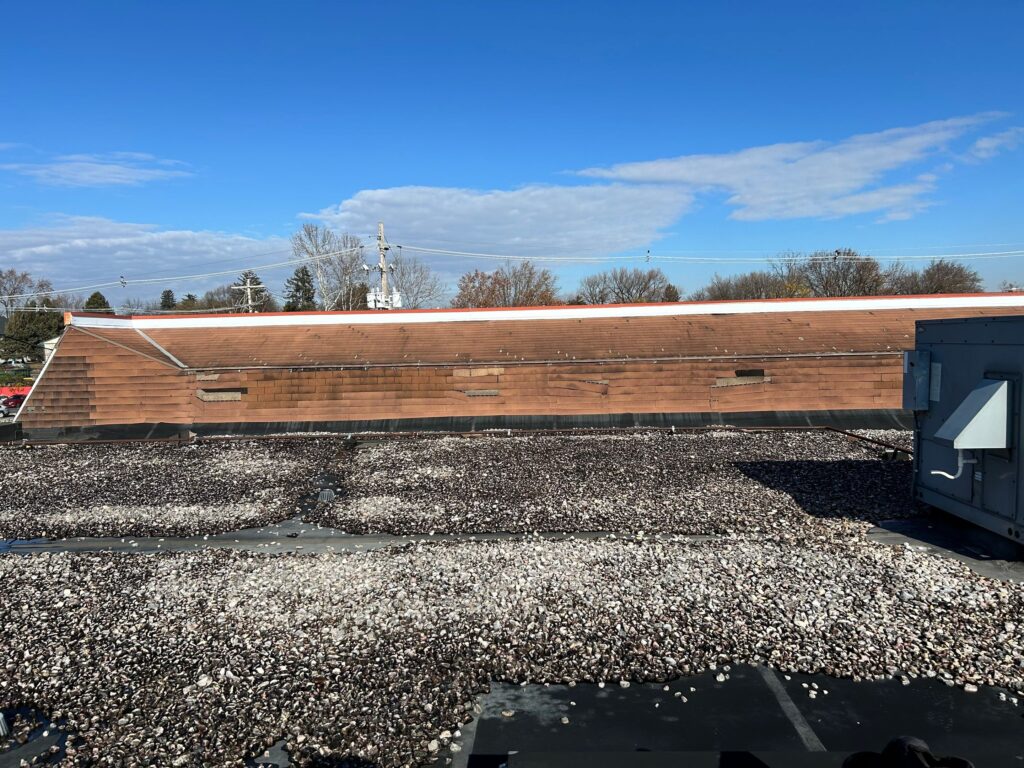
We are also straightforward about sequence during a surge: we secure as many buildings as we safely can with quality dry-ins, then circle back for permanent work once the emergency wave passes. A well-installed temporary barrier holds long enough to ride out that gap, which is exactly why doing the dry-in right the first time matters so much after a regional event. Houston commercial roofs run the full range of low-slope systems, and our dry-in approach adapts to each. On single-ply TPO and PVC, we focus on heat-weldable temporary patches and fastener-pattern repairs that respect the existing membrane. On EPDM, we use compatible tape and mastic so the temporary fix bonds rather than peels. On modified bitumen and built-up roofs common on older industrial and downtown structures, we address blistering and split laps that storms tend to open up.