

Skip to content

Energy Efficient Cool Roof Installation in Houston, TX

Schedule a Roof Review

  • Turning Your Roof Into a Climate Asset
  • The largest uncontrolled surface on most commercial buildings is the roof, and on a dark low-slope roof in the Texas heat that surface can climb past 160 degrees on a summer afternoon. Every bit of that heat radiates downward into your top floor, drives your air conditioning to run harder, and bakes the membrane itself toward an early failure. A cool roof flips that equation by reflecting sunlight away before it ever becomes a heat load, and over a Gulf Coast summer the difference shows up directly on your utility bills and in the lifespan of your roof.
  • We install reflective roofing systems engineered for the specific punishment of this region: long cooling seasons, intense year-round UV, and the kind of sustained heat that makes thermal performance a real operating expense rather than a rounding error.
  • Why Reflectivity Pays Off in This Climate
  • Houston runs the air conditioning for most of the year. Cooling demand here is not a few peak weeks; it stretches across spring, summer, and deep into fall, which means a roof that rejects solar heat is working in your favor nearly every day. The intensity of the sun this far south, combined with high humidity that traps warmth, makes the heat island effect on a commercial roof relentless.
  • That same UV and heat are what destroy conventional roofs early. Thermal cycling, where a membrane expands under midday heat and contracts as it cools, stresses seams and fasteners until they open. A reflective surface that stays dramatically cooler cycles less, ages slower, and holds its integrity through more seasons. So a cool roof is not only an energy decision; it is a durability decision that matters enormously given how aggressively our climate attacks roofing.
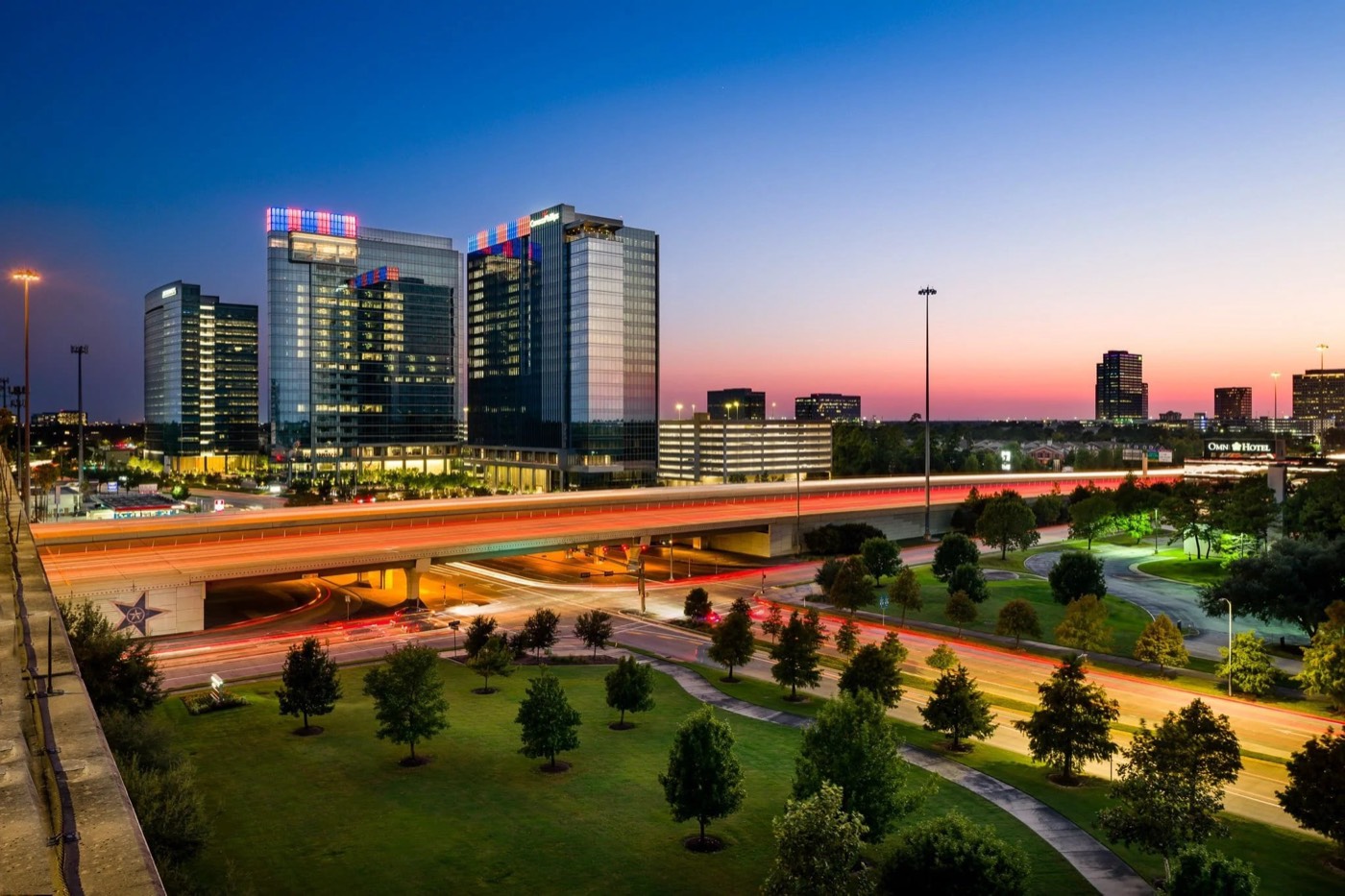
  • For the dense building stock across the Energy Corridor, Westchase District, and the Galleria and Uptown area, where large single-tenant and multi-tenant buildings carry serious cooling loads, the operational savings from a high-reflectance roof compound year after year.
  • Cool Roof Systems We Install
  • There is no single cool roof; the right system depends on your building, your existing assembly, and how you use the space.

Roof planning guidance

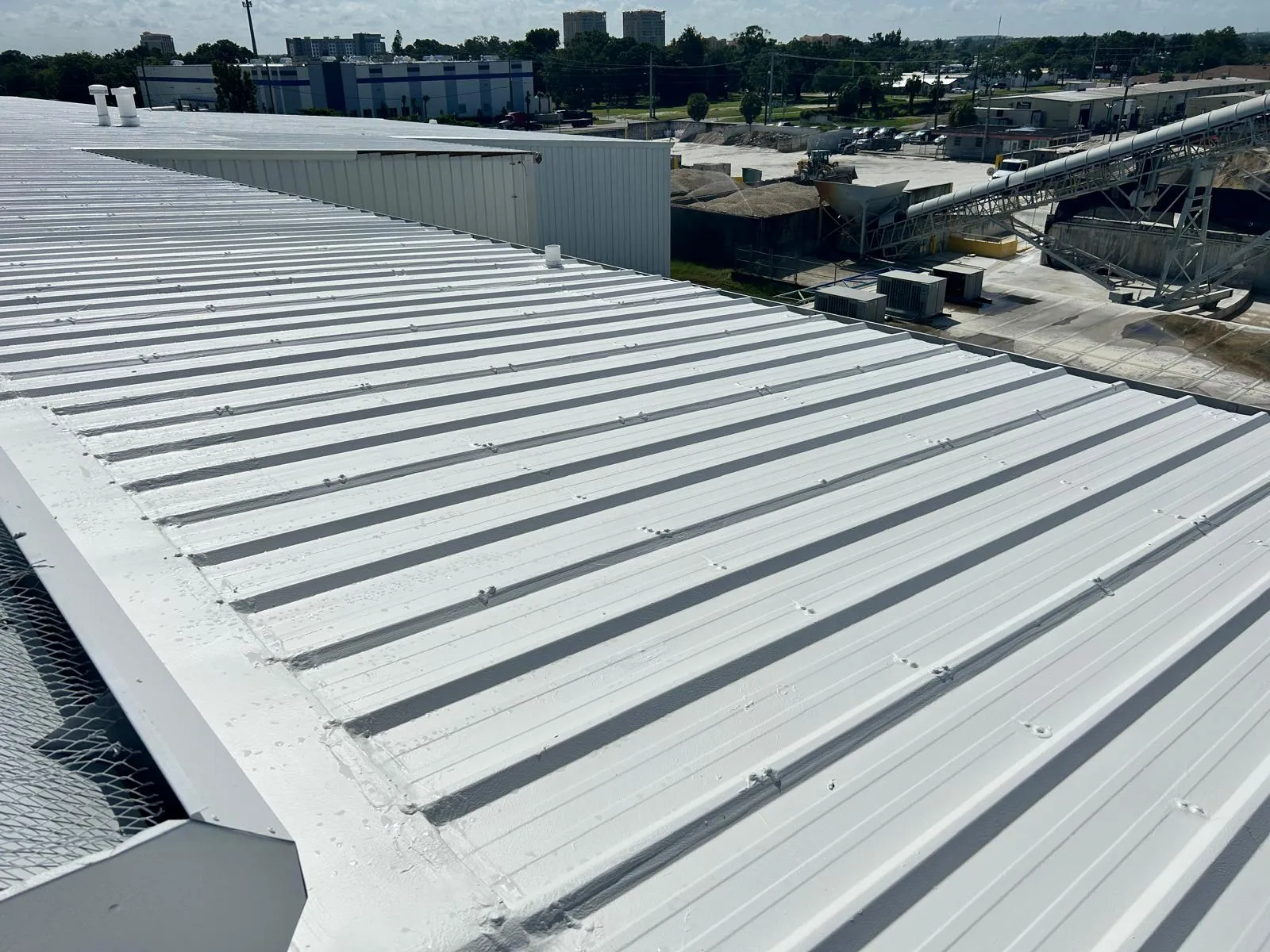
White TPO and PVC single-ply membranes that come from the factory with high solar reflectance and stay reflective across their service life, well suited to new installs and full reroofs on low-slope decks. Reflective elastomeric and silicone coatings applied over a sound existing roof to restore watertightness and add a bright, heat-rejecting surface without a tear-off, which keeps your operation running and waste out of the landfill. Cool-rated modified bitumen with factory-applied reflective granule surfacing for buildings where a multi-ply system is the better fit.

Schedule a roof review
Energy Efficient Cool Roof Installation in Houston, TX
Downtown Houston commercial rooftops

Insulation upgrades paired with the membrane, because reflectivity at the surface and R-value below it work together to control how much heat ever reaches your interior.

Understanding the Performance Numbers

Cool roofing performance comes down to two measurements that we will walk you through honestly. Solar reflectance is the fraction of sunlight the surface bounces back rather than absorbing. Thermal emittance is how readily the surface sheds the heat it does absorb. A strong cool roof scores high on both, and together they determine how much cooler your roof, and the space below it, will run.

Houston Energy Corridor commercial buildings

What matters for your building is the translation of those numbers into a lower interior heat load, reduced strain on rooftop HVAC units, and a more stable temperature on the floors directly under the roof. We size the expected benefit to your actual building rather than promising generic savings, because a single-story warehouse and a glass office tower respond very differently to a reflective roof.

Built to Drain, Not Just Reflect

A cool roof that ponds water is a problem dressed up as a solution. Standing water dulls reflectivity, breeds biological growth that stains the surface, and works against the membrane. Because our region produces sudden heavy downpours and Harris County enforces real drainage expectations, we design every cool roof to move water decisively, verifying slope to drains, clearing and upsizing scuppers where needed, and detailing penetrations so the reflective surface stays clean and functional through years of Gulf rain.

Roof planning notes

Comfort and Cost Below the Roof Line

Talk with a Houston commercial roofing team

A cooler roof also eases the load on rooftop HVAC units, which on a hot black roof are sitting in a pool of radiant heat while trying to reject heat from the building. Lowering the surface temperature around those units lets them work in a less hostile environment, and equipment that is not constantly maxed out tends to last longer and need fewer mid-summer service calls during the exact stretch when downtime hurts most.

The savings on a utility bill are the headline, but the change tenants actually feel is the temperature on the top floor. In buildings with occupied space directly under the roof, the difference between a dark membrane radiating heat downward and a reflective one rejecting it shows up as fewer hot-spot complaints, more even cooling, and air handlers that are not pinned at full output through the afternoon. For multi-tenant offices in the Westchase District or single-story spaces across the Energy Corridor, that comfort difference is part of keeping tenants happy and equipment from running itself into the ground. Pairing Reflectivity with Solar-Ready Design

Even without panels, the logic is the same. A reflective surface that keeps the roof assembly cooler reduces the daily thermal stress on everything mounted up there, from conduit to curbs to the membrane itself, and that translates into a roof that holds its performance longer in a climate that gives roofing no breaks.

A bright, well-built low-slope roof is also the natural platform for rooftop solar, and more Houston commercial owners are looking at their roofs as energy assets rather than just weather covers. When we install a cool roof on a building that may add panels later, we think about that future: a long-lived reflective membrane underneath an array means you are not tearing off and redoing the roof a few years after the panels go up. We coordinate the membrane choice, insulation, and penetration details so the roof and any future solar work together instead of fighting each other. Talk with a Houston commercial roofing team