
Skip to content

Insurance Claim Coordination in Houston, TX

Schedule a Roof Review

  • A storm-damaged commercial roof and an insurance claim are two different problems, and the second one is where building owners lose the most money. We coordinate roof insurance claims for commercial and industrial properties across Greater Houston, documenting the actual damage, speaking the adjuster's language, and making sure the approved scope of work matches what the roof truly needs. We are roofers, not public adjusters, and we do not represent your insurer. Our role is to give you a clear, defensible record of the damage so the claim reflects reality instead of a quick windshield estimate.
  • Why commercial roof claims go sideways
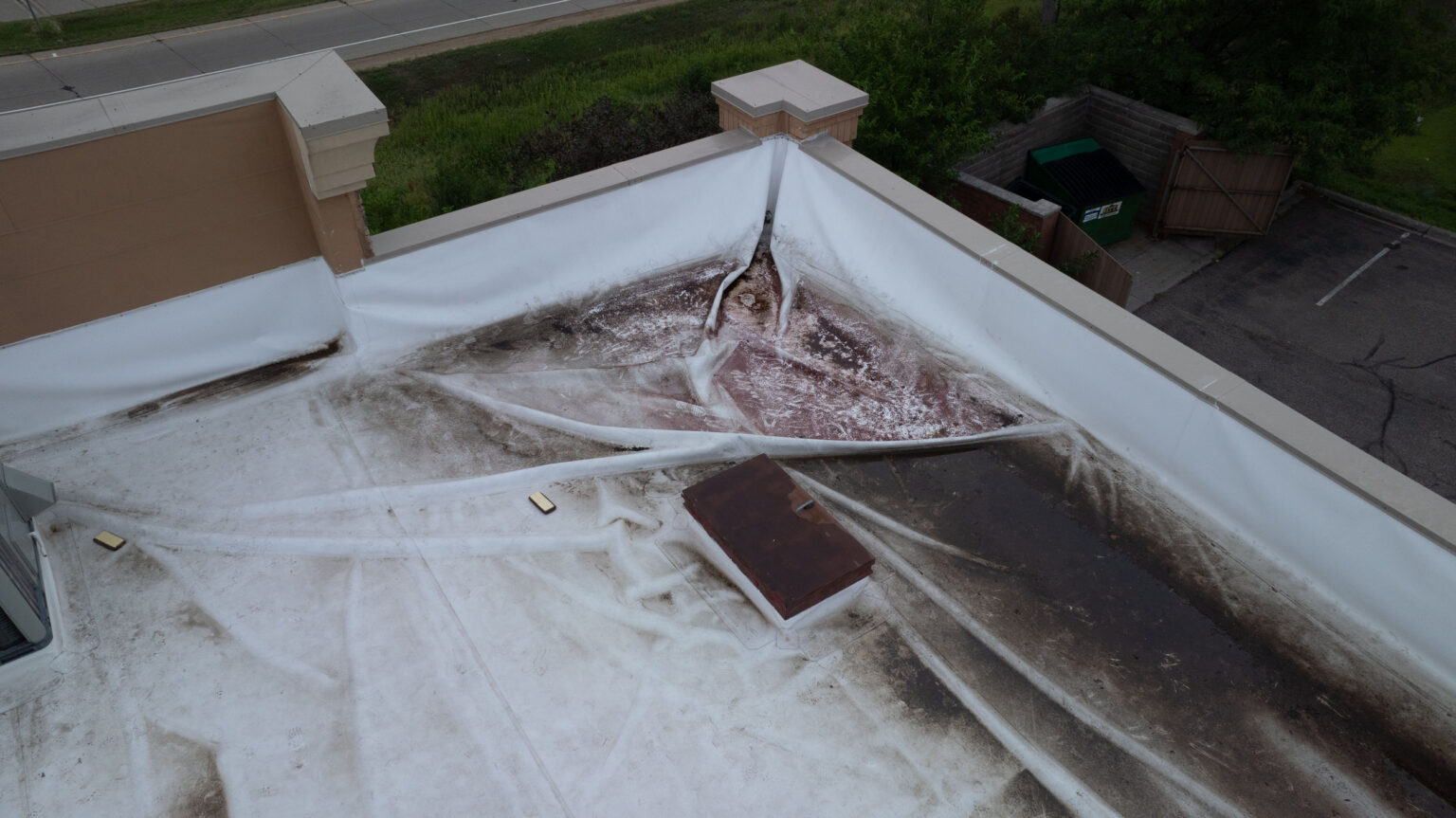
  • Most commercial roof claims in this region trace back to a named storm or a hail event. The damage is real, but it is often invisible from the ground and easy to underestimate from a fast walk-through. Hail bruising on a single-ply membrane, fractured granule surfacing on modified bitumen, displaced flashing, opened seams, and wind-lifted edge metal do not always read as catastrophic in a photo. By the time the leaks show up inside, the original event may be months past and the connection to the claim harder to prove.
  • On large flat and low-slope roofs, the stakes scale with the square footage. A scope that misses a third of the damaged field, or that calls for a patch where the assembly actually needs replacement, can leave an owner tens of thousands of dollars short. Careful documentation up front is what prevents that gap.
  • What we document
  • When you bring us in after a storm, we treat the roof like a site that has to hold up to scrutiny. Our inspection produces the kind of record an adjuster can act on and an owner can stand behind.
  • Dated, located photos. We photograph every area of damage with reference points so each image ties to a spot on the roof plan.
  • Damage mapping. We mark hail strikes, wind damage, punctures, and compromised flashing on a roof diagram so the extent is visible at a glance.
  • Membrane and assembly findings. We core where needed to show whether water has entered the insulation and whether the damage is surface-level or structural to the assembly.

Roof planning guidance

Moisture survey results. Saturated insulation under an intact-looking membrane is common after wind-driven rain, and we document it before it spreads. A written scope. We translate the findings into a repair or replacement scope that a building owner and an adjuster can both read. Meeting the adjuster on the roof

Schedule a roof review
Insurance Claim Coordination in Houston, TX
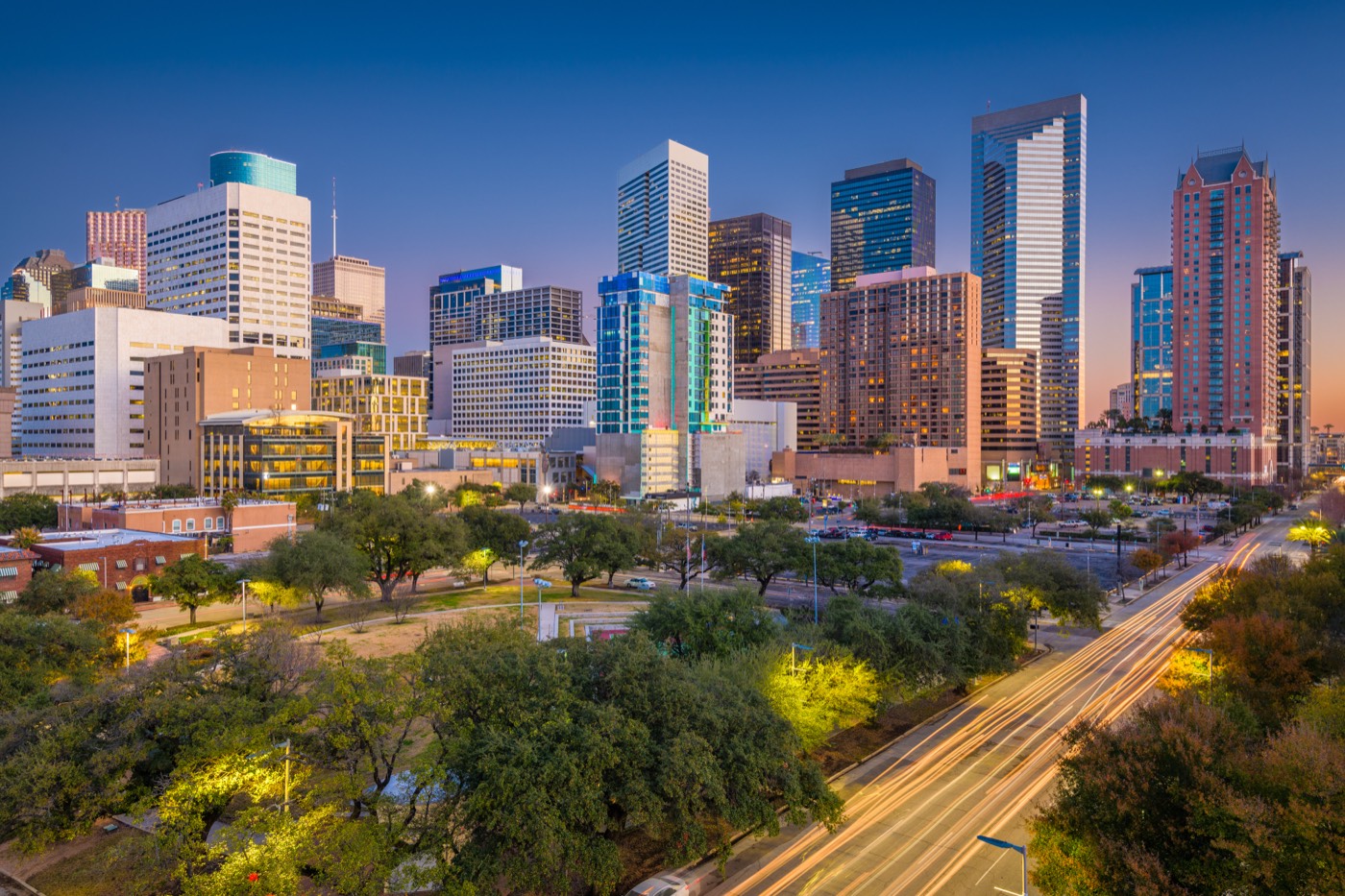
Downtown Houston commercial rooftops

The most valuable thing we do is be on the roof when the insurance adjuster is. Adjusters carry a heavy storm-season caseload, and a commercial roof is technical ground. When we walk it together, we can point to the hail bruising, show the difference between old wear and fresh storm damage, and explain why a given area needs replacement rather than a coat of mastic. That conversation, held standing on the actual membrane, settles far more than emails do afterward. We come prepared with our documentation so the adjuster's scope and the real condition of the roof line up before anything is approved.

Repair, recover, or replace

Part of coordinating a claim honestly is being clear about what the damage calls for. Not every storm claim is a full replacement, and we will say so when a targeted repair is the right answer. When the damage is widespread, or when the membrane has reached the point where spot repairs will not hold, we lay out the case for replacement and back it with the documentation. Owners get the information they need to make the call, and the claim gets a scope grounded in the roof's actual condition.

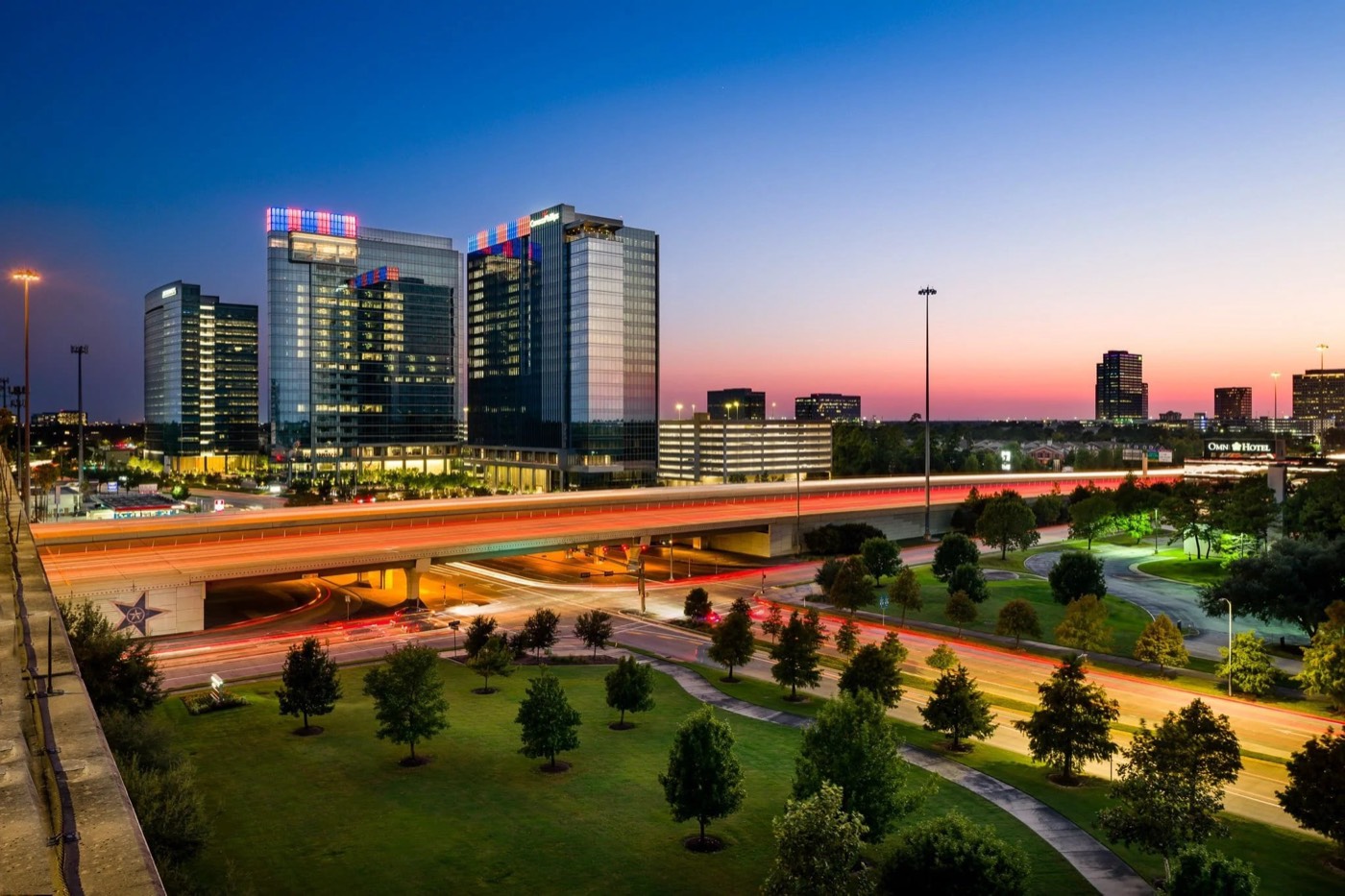
Houston Energy Corridor commercial buildings

The Houston storm picture

Greater Houston gives commercial roofs plenty to claim for. The spring hail season regularly drops stones large enough to bruise membranes and crack surfacing across Harris County. Hurricane season, running June through November off the Gulf, brings wind uplift that strips edge metal and lifts seams, plus the wind-driven rain that finds every opening. Hurricane Harvey in 2017 is the reference point most owners remember, but it is the steady drumbeat of smaller hail and wind events between the big storms that produces most of the claims we coordinate. The intense year-round heat compounds it all, since UV and thermal cycling leave an aging membrane more brittle and more vulnerable when the next storm hits.

Timing and the things that kill claims

Roof planning notes

Roof Scope Notes

Talk with a Houston commercial roofing team

Make temporary repairs. Most policies require you to prevent further damage. We can dry the building in with temporary measures and document that we did, which protects both the building and the claim.

Report promptly. File the claim and get the roof documented while the event is recent and the cause is clear. Keep records. Maintenance logs and prior inspection reports help prove the roof was sound before the storm.

What we do not do

Do not sign a scope you do not understand. We will read it with you and flag anything that leaves the roof short. Talk with a Houston commercial roofing team