


Skip to content

Mixed Use Roofing in Houston, TX

Schedule a Roof Review

  • Roofing for mixed-use buildings
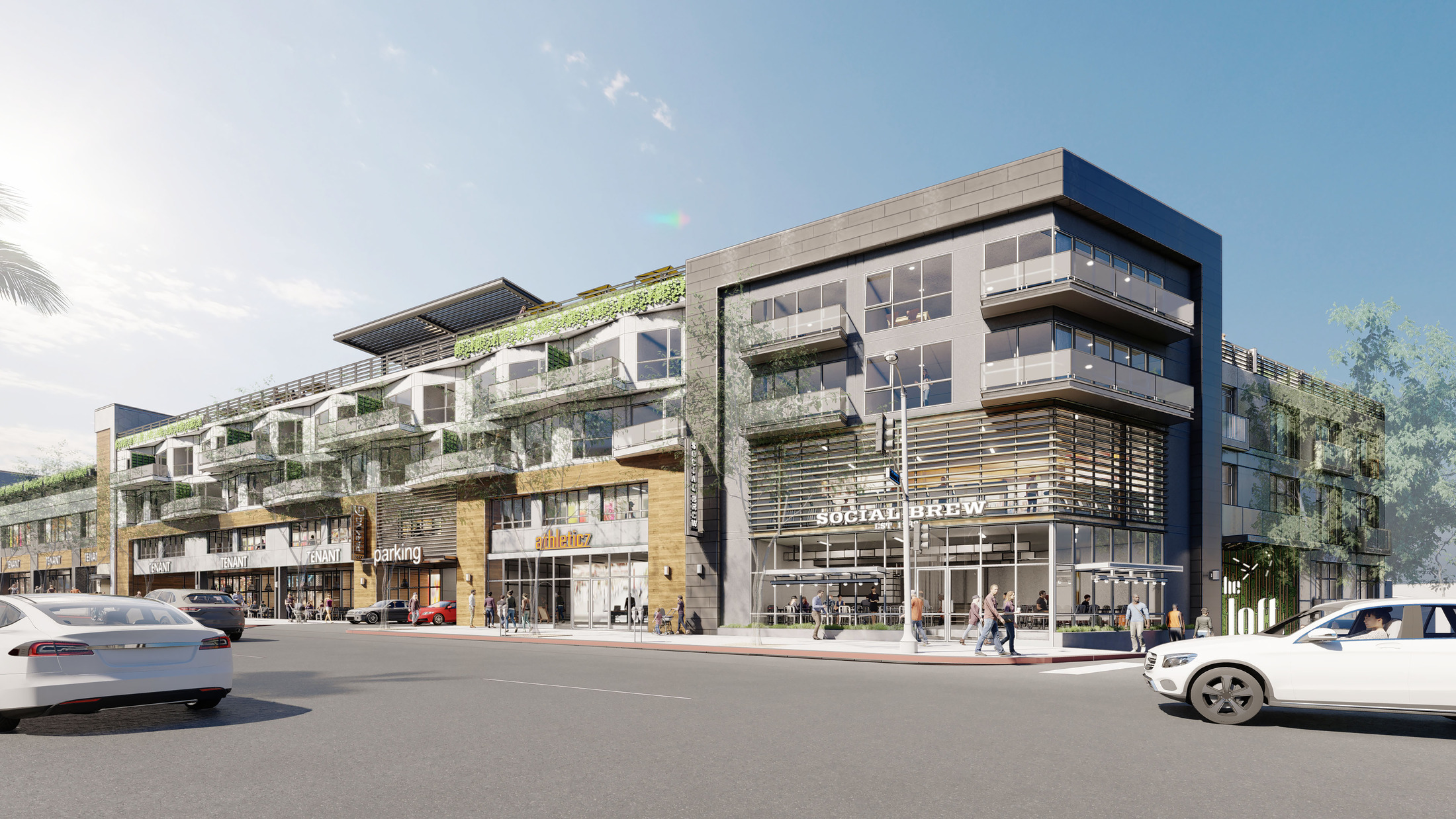
  • A mixed-use building puts people's homes, businesses, and livelihoods under one roof, and that changes what the roof has to do. Ground-floor retail or restaurants, offices on the middle levels, apartments or condos above, sometimes a parking podium folded in, all of it sits beneath a single roof assembly that often blends a low-slope membrane over the main mass with smaller sloped or terraced sections, occupied rooftop amenity decks, and a dense cluster of mechanical equipment serving very different tenants. We roof these buildings across Houston's mixed-use neighborhoods, from the developments around the Galleria and Uptown to the walkable infill rising in Midtown, the Heights, and the corridors near downtown.
  • The defining challenge isn't the roof type. It's that the building is full of people while you work on it. A leak in a mixed-use building doesn't just stain a warehouse ceiling; it runs into someone's living room or shuts down a tenant's storefront. That reality drives how we plan, sequence, and protect the work.
  • Many tenants, many uses, one roof
  • The roof over a mixed-use building has to satisfy needs that don't always agree. Residents above expect quiet, comfort, and no water in their unit. The restaurant on the ground floor pushes grease-laden exhaust and heavy kitchen ventilation up through the roof. Offices need steady climate control. The result is a roof carrying far more penetrations, curbs, and equipment per square foot than a plain warehouse, and every one of those is a potential leak path sitting directly over occupied space.
  • We map that complexity before we start. Which units sit under which roof section, where the restaurant exhaust and the residential HVAC penetrate, how amenity decks and pavers are built up over the membrane, where one roof level steps down to another. Mixed-use roofs frequently combine systems, and the transitions between them, a membrane roof meeting a sloped section, a deck meeting a parapet, are exactly where water gets in if they're flashed casually.
  • Systems we install over occupied space
  • For the low-slope portions we typically install single-ply membranes, TPO or PVC, hot-air welded into continuous seams and reflecting heat off the building to ease the cooling load on the apartments and offices below. On occupied roof decks and amenity areas we build protected assemblies that take foot traffic, planters, and pavers without compromising the waterproofing underneath. Where a building has steeper visible roof sections, we match the appropriate sloped system and detail every transition where one assembly meets another. Sound insulation and proper insulation thickness matter more here than on an industrial box, because comfort and quiet inside the units are part of the product.
  • Detailing for restaurants, HVAC, and amenity decks

Roof planning guidance

The penetrations are where mixed-use roofs live or die. We rebuild curbs around the rooftop units serving each tenant type with correct flashing height, fabricate sealed boots for clustered conduit and refrigerant and gas lines, and pay special attention to grease-bearing restaurant exhaust, which degrades ordinary membranes and demands a material and detail that can take it. Amenity decks get a waterproofing layer engineered to live permanently under pavers, planters, and people, with drainage built into the assembly so the deck above never traps water against the membrane below. Parapets, scuppers, and the wall-to-roof junctions get flashed to hold, because on a multi-story building those edges sit above every floor of tenants. What Houston weather demands of these roofs Mixed-use buildings face the same Gulf Coast forces as any Houston commercial roof, but with higher stakes because of who's underneath. Hurricane season runs June through November, and the wind uplift these storms generate pries hardest at parapets, perimeters, and roof corners, precisely the spots that, on a residential-over-retail building, sit above someone's home. The rainfall totals our storms deliver, the scale Harvey reached in 2017, will overwhelm any roof with undersized or clogged drainage, and ponding water over occupied space is a leak waiting for a tenant complaint. Intense year-round heat and UV cook membranes and the many flashings these roofs carry, while Gulf Coast hail tests every seam and curb at once.

Schedule a roof review
Mixed Use Roofing in Houston, TX
Downtown Houston commercial rooftops

Because Harris County drainage standards are strict and our rain is genuinely heavy, we treat the drainage design as essential rather than incidental: tapered insulation moving water to drains, overflow scuppers sized for a blocked primary, and regular clearing of the debris that collects around the dense equipment on these roofs. A mixed-use roof that drains fast protects every floor beneath it; one that holds water becomes a multi-tenant problem in a hurry.

Storm-rated where it counts

We fasten and flash the perimeter, corners, and parapets to the uplift loads our storm season produces, and we secure the edge metal and trim that wind targets first. On a building where a roof failure reaches into homes and businesses on every level, the edges and transitions are not the place to save money.

Houston Energy Corridor commercial buildings

Working around tenants and residents

This is where mixed-use roofing genuinely differs from any other commercial work. We coordinate with property managers, HOAs, and tenants to schedule disruptive stages thoughtfully, stage materials and craning to keep retail entrances and resident access open, and contain noise, dust, and debris so daily life and business below carry on. We sequence tear-off so no section over an occupied unit is ever left open to an afternoon storm, and we plan around the simple fact that people are home and businesses are open while we're on the roof. Clear communication before and during the project is part of the service, not an extra.

Storm claims, reserves, and shared ownership

Roof planning notes

Roof Scope Notes

Talk with a Houston commercial roofing team

Phased work for buildings that can't fully close

After a Houston storm, that documentation matters even more. When wind or hail damages a mixed-use roof, the path to a fair insurance outcome runs through clear evidence of what failed and why, and we document conditions thoroughly so a claim reflects the real damage rather than a quick drive-by estimate. We can also help a board or manager plan ahead, laying out the roof's remaining life and likely costs so a reserve fund is ready before a failure forces an emergency assessment on the owners. A mixed-use building almost never lets you take the whole roof offline at once, so we plan around partial access from the start. That can mean working one roof section or one tier at a time, keeping resident entries and retail storefronts open throughout, and timing the loudest stages to do the least harm to a restaurant's dinner service or a resident's workday. The goal is a finished roof and a building that kept functioning the entire time.

Let's assess your building

If your mixed-use roof is aging, leaking into a unit or a storefront, or simply due for an honest evaluation before storm season, we're glad to walk it with you and your property manager and lay out what it needs in plain terms. Reach out and we'll arrange an assessment that respects your tenants and your timeline. Talk with a Houston commercial roofing team