

Long-Term Value and Maintenance
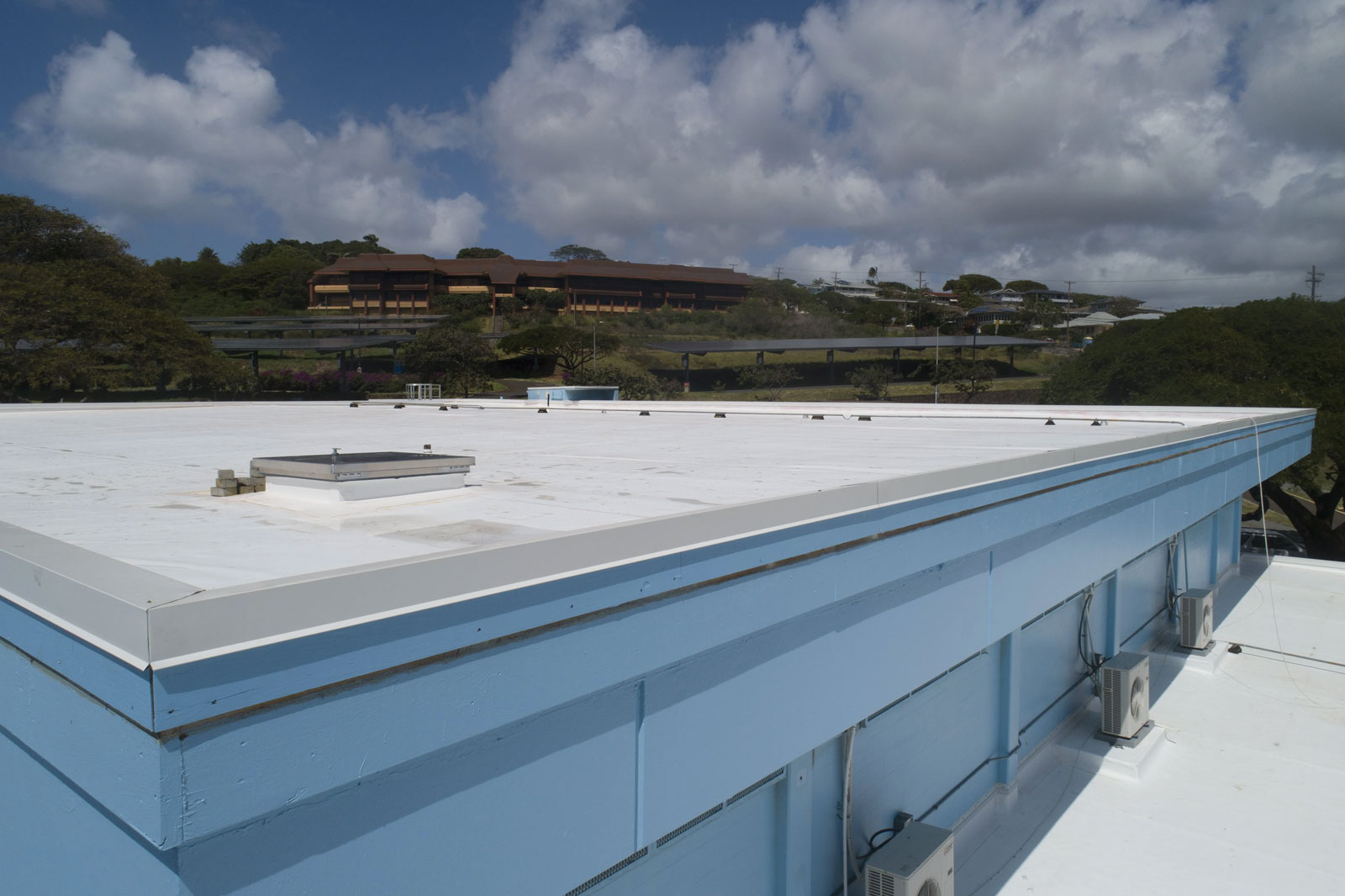
PVC's reflectivity is not only a comfort issue; it can meaningfully reduce cooling demand on a building that runs its air conditioning most of the year. Lower rooftop temperatures also mean the membrane and the insulation below it age more slowly, which protects both the roof and the energy savings over time. A reflective PVC system frequently qualifies for energy-related credits and meets cool-roof criteria, and the lighter surface keeps the rooftop more workable for crews servicing equipment in the heat. Like any commercial roof, PVC rewards routine attention. We recommend inspections after major storms and at least twice a year, with particular focus on keeping drains and scuppers clear so water moves off the roof, and on checking the seams and flashings around any rooftop equipment that has been added or serviced. Caught early, small issues at a penetration are a quick repair; ignored, they become interior damage and insurance claims.